
Any Questions? Email Us
Talk to an Expert
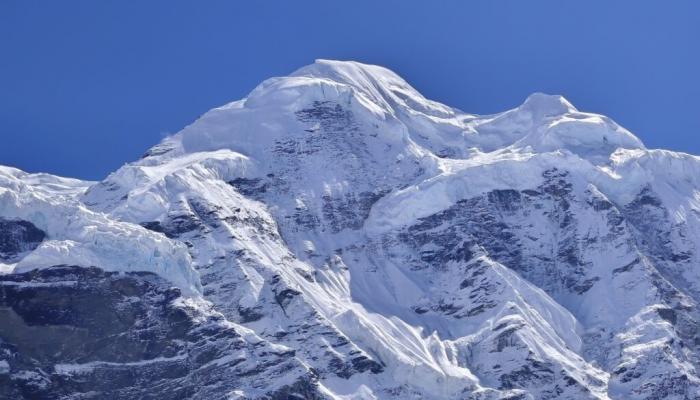
Mera Peak Climbing is one of Nepal’s most rewarding Himalayan adventures, offering an unforgettable journey to Mera Peak at 6,476 meters (21,247 feet) in the spectacular Everest region. Widely recognized as Nepal’s highest trekking peak, Mera Peak combines remote Himalayan trekking, high-altitude adventure, glacier travel, and introductory mountaineering in one extraordinary expedition. For adventurous travelers looking to experience a 6,000-meter Himalayan summit without committing to an extremely technical expedition, Mera Peak provides an inspiring gateway into high-altitude climbing.
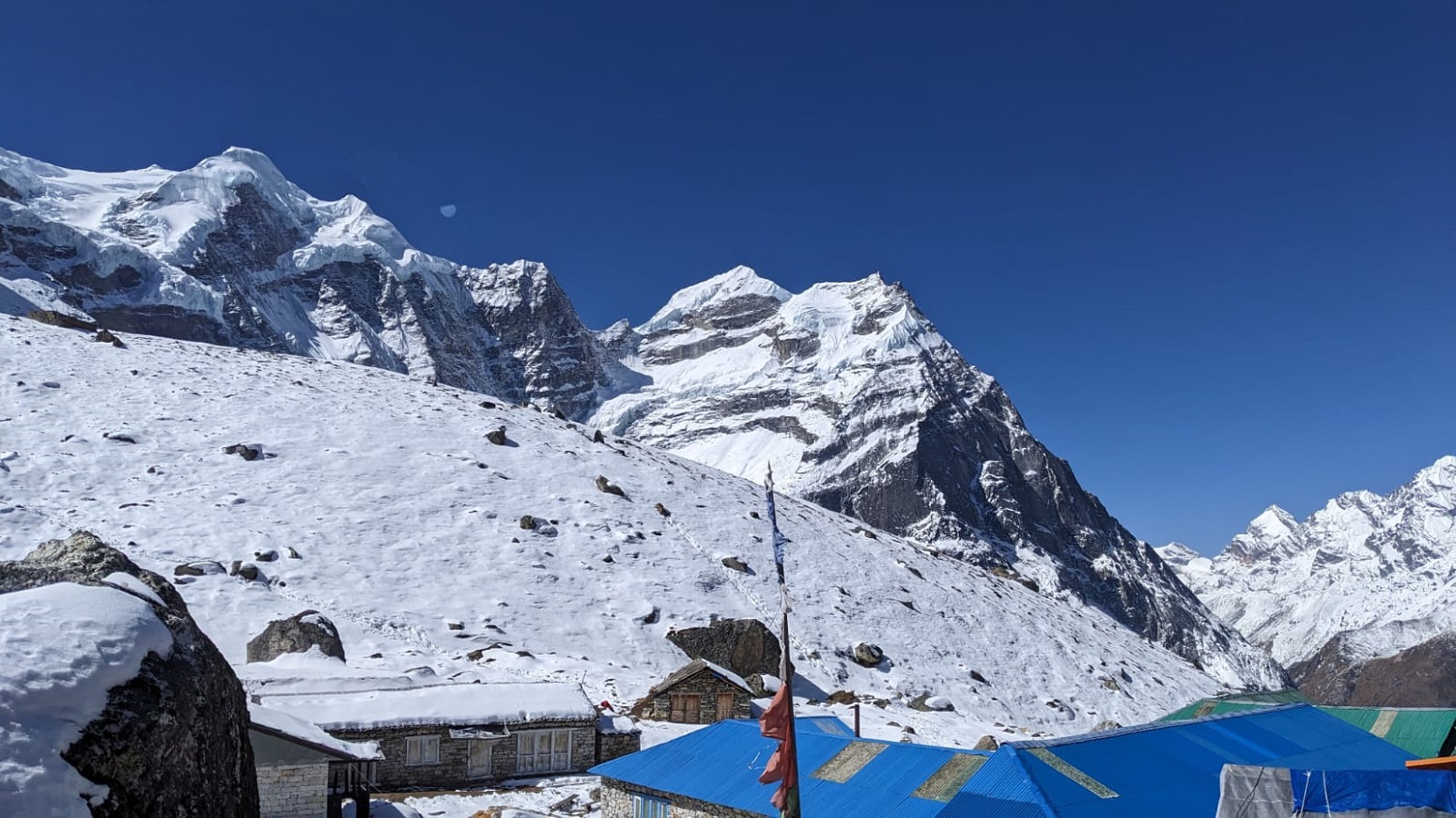
Located in the remote Hinku Valley of the Khumbu region, Mera Peak takes climbers away from the busier trekking routes and into a pristine landscape of alpine valleys, rhododendron forests, traditional Sherpa villages, dramatic mountain passes, glaciers, and towering Himalayan peaks. The journey begins with the excitement of flying toward the mountains and gradually leads deeper into the wilderness, where every trekking day brings changing landscapes, increasing altitude, and spectacular views of the Nepal Himalayas.
The appeal of Mera Peak Climbing in Nepal goes far beyond reaching the summit. It is a complete Himalayan experience that brings together adventure, endurance, nature, culture, and mountaineering. As the trail climbs toward the high alpine zone, trekkers experience the remarkable contrast between lush lower valleys and the rugged environment above 5,000 meters. The final ascent introduces climbers to snow, ice, glaciers, crampon travel, and the unique challenges of climbing at extreme altitude.
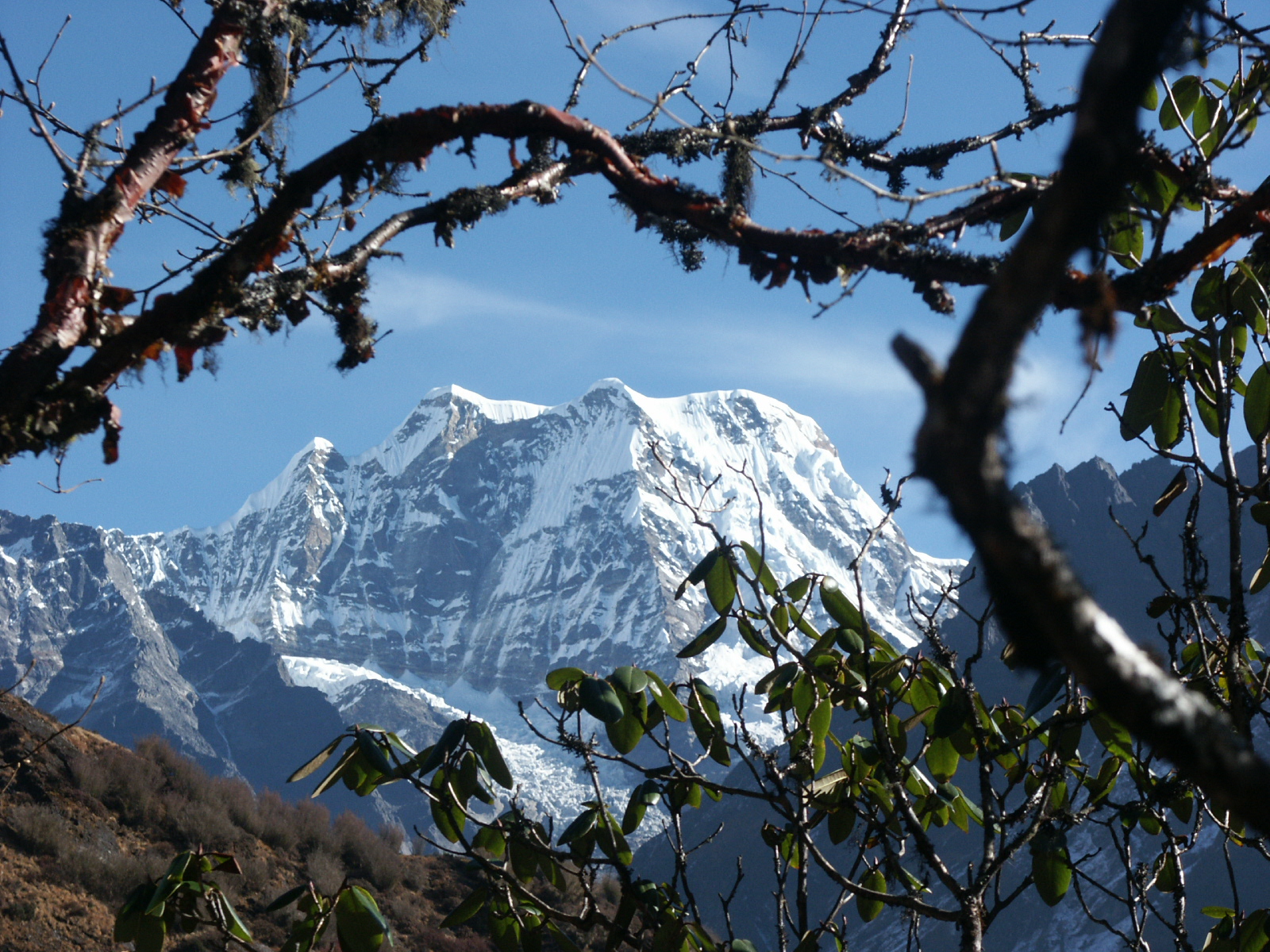
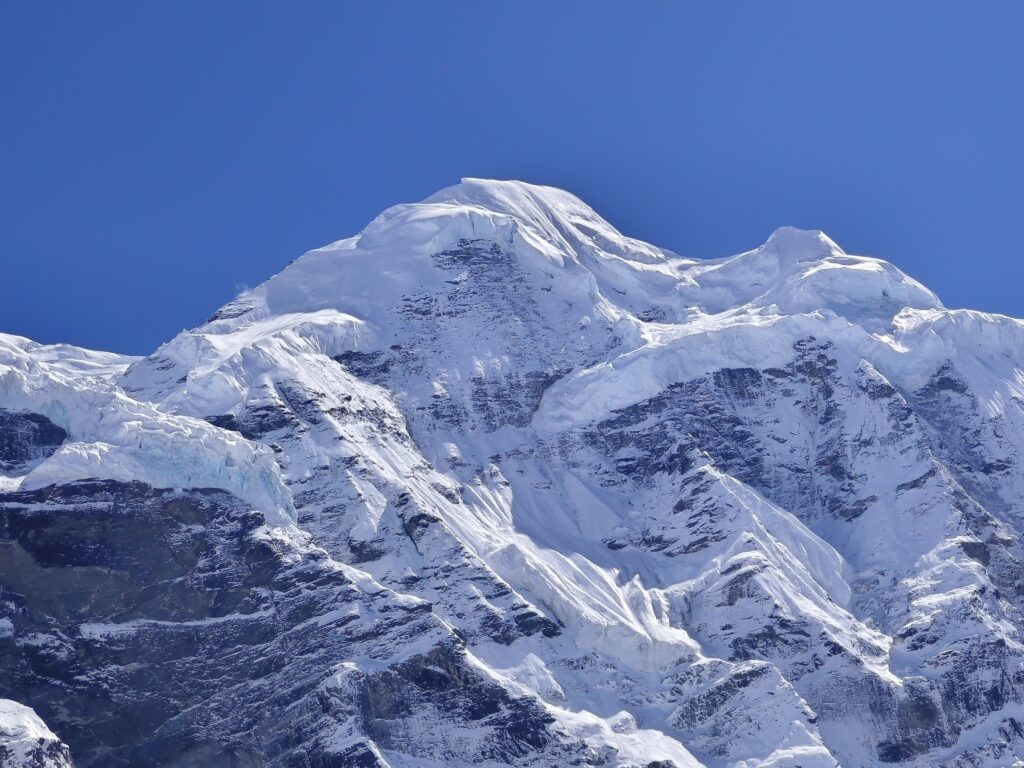
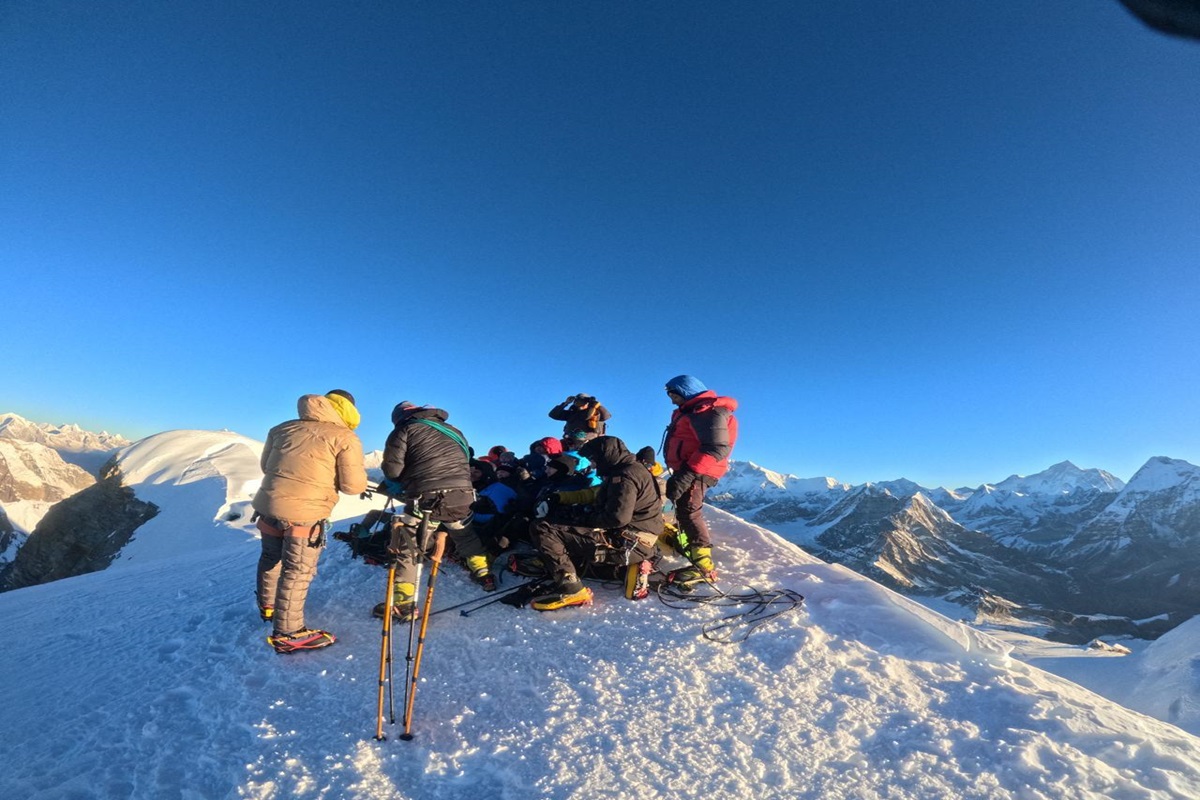
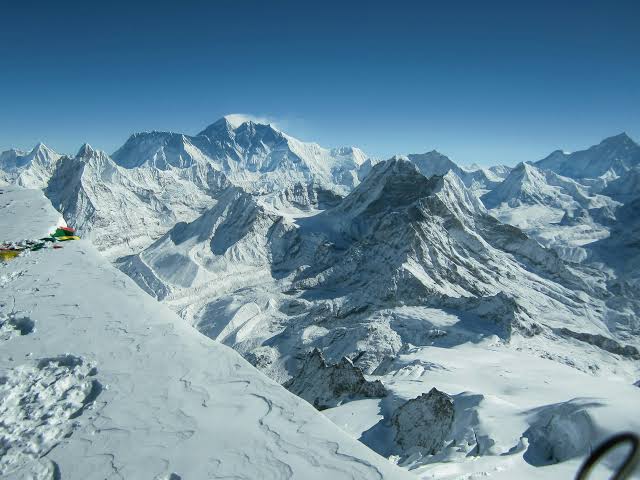
Standing at 6,476 meters, the summit of Mera Peak provides an exceptional Himalayan viewpoint. On a clear summit day, climbers can witness an impressive panorama of some of the world's highest and most iconic mountains, including Mount Everest, Lhotse, Makalu, Cho Oyu, and Kanchenjunga. The combination of a demanding Himalayan journey and extraordinary summit scenery makes Mera Peak a memorable objective for both aspiring mountaineers and experienced adventure travelers.
Mera Peak is particularly appealing to climbers seeking their first 6,000-meter Himalayan summit. Although the standard climbing route is generally regarded as less technically demanding than many major Himalayan peaks, the expedition should not be underestimated. The altitude, cold, long trekking days, changing mountain weather, snow and glacier conditions, and demanding summit push require preparation, physical fitness, acclimatization, and professional mountain support.
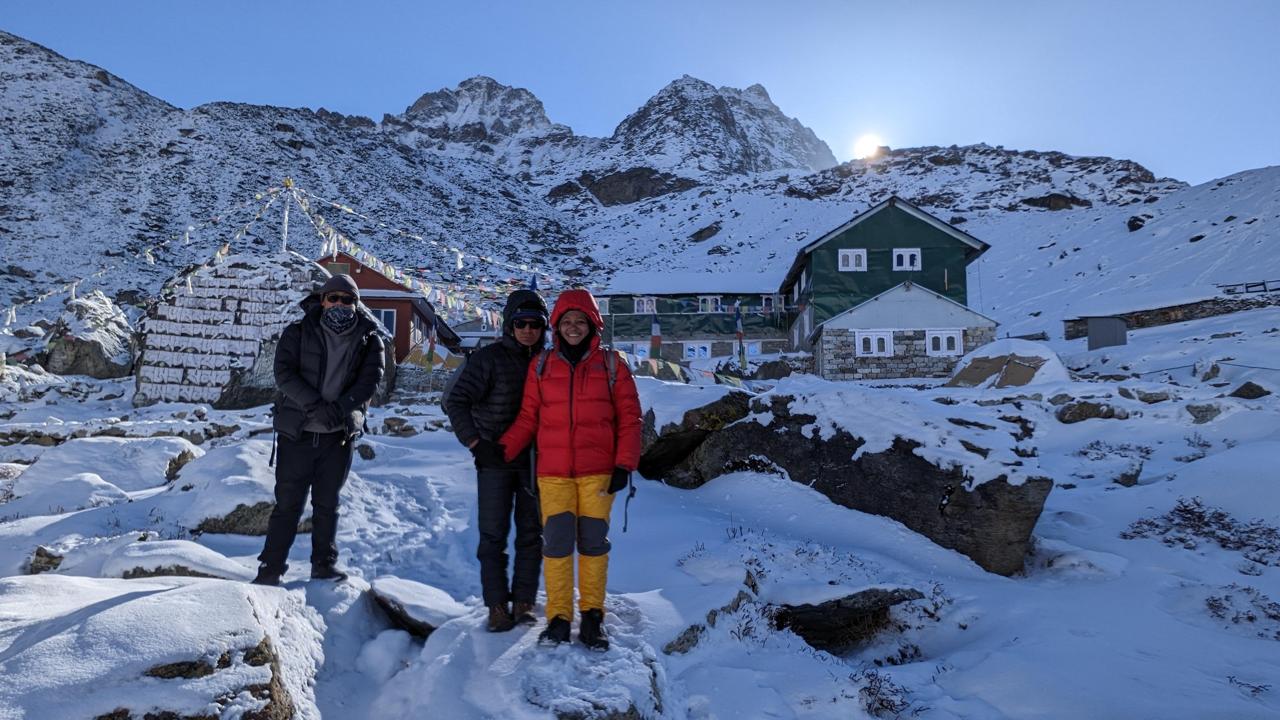
What makes the Mera Peak experience distinctive is the balance between trekking and mountaineering. Much of the approach involves trekking through remote Himalayan terrain, while the upper sections introduce climbers to the fundamentals of peak climbing. This combination makes the expedition an excellent opportunity to build confidence at high altitude and experience the realities of Himalayan mountaineering while surrounded by some of Nepal’s most spectacular mountain scenery.
For international adventurers searching for Mera Peak Climbing in Nepal, the expedition represents more than simply reaching a 6,476-meter summit. It is a journey through the heart of the Himalayas, where remote trails, Sherpa culture, dramatic landscapes, glaciers, and high-altitude climbing come together to create a genuinely immersive adventure.
With Outward Adventure Treks, Mera Peak Climbing is designed around responsible Himalayan travel, careful acclimatization, experienced mountain leadership, and a well-organized trekking and climbing experience. From the first steps into the Hinku Valley to the final approach toward the summit, the expedition is shaped to help climbers experience the Himalayas with appropriate preparation and professional support.
Mera Peak Climbing is an ideal choice for adventurers who dream of standing above 6,000 meters, experiencing real Himalayan mountaineering, and looking beyond ordinary trekking. At 6,476 meters, Mera Peak offers a remarkable combination of challenge, wilderness, culture, and panoramic Himalayan beauty—making it one of Nepal’s most sought-after peak-climbing adventures.
For a premium Outward Adventure Treks page, I’d make the comparison clear: short does not automatically mean better. The short itinerary is primarily about time efficiency, while the normal itinerary provides more gradual progression and trekking time. Outward’s published 14-day short itinerary reaches Khare after a compressed approach, includes an acclimatization/training day, and allows a contingency day; its published standard itinerary is 17 days and includes a Khare acclimatization/training day plus a separate weather contingency day. (Best Nepal Trekking)
Mera Peak Climbing is a serious high-altitude adventure, and choosing the right itinerary can make a significant difference to your overall experience. For climbers planning to reach the 6,476-meter (21,247-foot) summit of Mera Peak, the decision often comes down to one important question: Should you choose a short Mera Peak itinerary or follow the normal, longer itinerary?
The answer depends on your available time, previous trekking experience, physical preparation, acclimatization needs, and what you want from your Himalayan adventure.
A short Mera Peak itinerary is designed for climbers who have limited time but still want to experience the essential Mera Peak climbing journey. A normal Mera Peak itinerary, meanwhile, provides a more gradual approach, additional trekking time, and generally more opportunity to adapt to the changing altitude and mountain environment.
Outward Adventure Treks offers both approaches, allowing climbers to select an itinerary that better matches their schedule and expedition objectives. The currently published short itinerary is approximately 14 days, while the standard itinerary is approximately 17 days, although actual schedules can change according to weather, flight conditions, route conditions, group requirements, and mountain conditions.
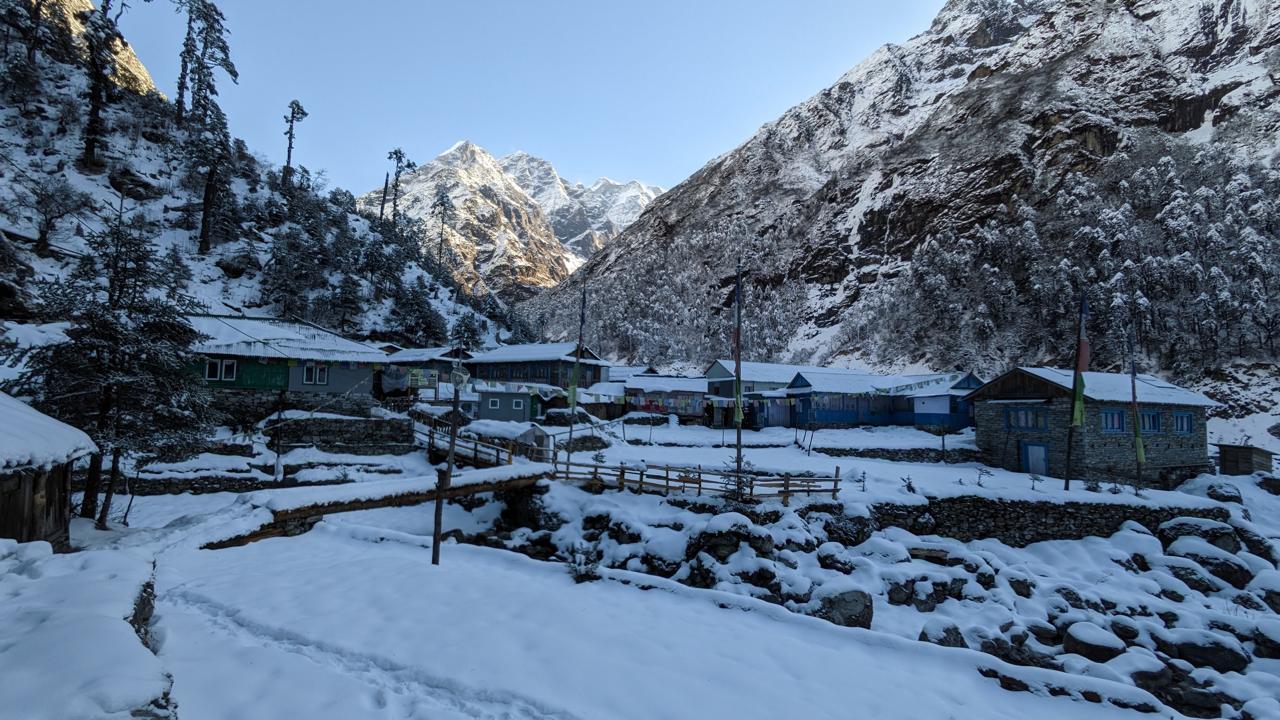
A short Mera Peak itinerary does not mean removing the mountain's essential climbing stages or simply rushing to the summit. A properly designed short itinerary compresses the approach and return journey while retaining key components such as acclimatization, climbing preparation, high-camp preparation, summit attempt, and a contingency option.
Outward Adventure Treks' published 14-day itinerary, for example, flies to Lukla, proceeds through Chhuthang, Thuli Kharka, Kothe, Thaknak and Khare, includes an acclimatization and pre-climb training day at Khare, continues to Mera High Camp, and then makes the summit attempt before descending toward Lukla. A contingency day is also included.
This makes the short option particularly attractive to travelers who cannot dedicate several additional days to a conventional Himalayan trekking schedule.
However, shortening an itinerary does not remove the fundamental demands of climbing to 6,476 meters. The climber still has to cope with altitude, cold, demanding terrain, changing weather, long summit-day hours, and the physical demands of the expedition.
Why Choose a Short Mera Peak Itinerary?
The biggest advantage is time efficiency.
For some travelers, this can make Mera Peak possible when a longer itinerary simply does not fit their schedule.
1. Less Time Away from Work
The shorter duration may also make it easier to combine Mera Peak with other experiences in Nepal, such as Kathmandu sightseeing, cultural activities, another short trek, or additional travel before or after the climbing program.
2. A More Focused Adventure
For experienced trekkers who are comfortable with consecutive trekking days and have prepared appropriately, this focused structure can be appealing.
3. Fewer Days on the Trail
This is particularly relevant when comparing a climber who wants a peak-climbing objective with a traveler whose primary interest is a long Himalayan trekking experience.
4. Potentially Lower Overall Travel Costs
Therefore, travelers should compare the complete inclusions rather than judging an itinerary solely by its number of days.
The main disadvantage of a short itinerary is simple: there is less time for gradual progression.
Mera Peak reaches 6,476 meters, and altitude is one of the most important factors in the climb. Compressing the approach means the body has less overall time to adapt naturally to increasing elevation.
This does not mean that every short itinerary is unsafe or unsuitable. Rather, it means that itinerary design, individual acclimatization, physical preparation, guide assessment, and flexibility become particularly important.
Outward's short itinerary still includes an acclimatization and pre-climb training day at Khare and a contingency day.
1. Less Acclimatization Flexibility
If conditions require additional acclimatization or a delayed summit attempt, a responsible climbing team should prioritize safety and mountain conditions over the original timetable.
2. Longer or More Demanding Trekking Days
A shorter program may require greater daily endurance and a stronger ability to recover between consecutive trekking days.
3. Less Time to Enjoy the Hinku Valley
Choosing a short itinerary means accepting that some of the pleasure of a longer Himalayan journey is sacrificed in exchange for time efficiency.
4. Less Recovery Margin
For climbers who recover slowly or are less accustomed to consecutive high-altitude trekking days, this is an important consideration.
The normal itinerary is generally better suited to travelers who have enough time and want a more gradual Himalayan experience.
Outward Adventure Treks' published standard itinerary is approximately 17 days and includes Kathmandu preparation, the Lukla approach, gradual movement through the Hinku Valley, Khare acclimatization and ice-climbing practice, Mera High Camp, summit day, a weather contingency day, and the return trek to Lukla.
The additional days create more space for the trekking journey and provide a less compressed overall schedule.
1. More Gradual Progression
2. More Time for Acclimatization
3. Better for First-Time High-Altitude Climbers
4. More Complete Trekking Experience
Again, actual costs depend on the package inclusions and individual arrangements.
There is no universally correct itinerary for every climber.
The short Mera Peak itinerary can make sense when time is your biggest constraint, you are physically prepared for demanding trekking days, you understand the altitude involved, and you want to focus on the core climbing experience.
The normal itinerary can be more appropriate when you have additional time, prefer a gradual trekking pace, want to spend more time in the Hinku Valley, or value having greater flexibility within the overall schedule.
One of the most important principles is that shorter should never mean rushed.
A high-altitude expedition should always remain flexible. If your body needs more time to acclimatize, if weather changes, or if mountain conditions become unfavorable, the itinerary may need to change. A responsible operator should be prepared to modify the plan when conditions require it.
For this reason, choosing between short and normal Mera Peak climbing should be based on more than the number of days printed on an itinerary.
Consider your previous trekking experience, physical conditioning, altitude experience, available vacation time, preferred trekking style, tolerance for long trekking days, and personal priorities.
At Outward Adventure Treks, the objective is not simply to move climbers from Lukla to the Mera Peak summit.
A successful Himalayan climbing experience depends on preparation, acclimatization, experienced mountain leadership, appropriate equipment, realistic scheduling, and the ability to respond to changing conditions.
Outward's published Mera Peak itineraries incorporate acclimatization and climbing preparation at Khare before the high-camp and summit stages. The standard itinerary also includes a contingency day, while the short itinerary maintains a dedicated contingency day as well.
Short Mera Peak Climbing is primarily about maximizing time efficiency while preserving the essential climbing experience. It can be an attractive option for well-prepared adventurers who have limited time and are comfortable with a more concentrated trekking schedule.
Normal Mera Peak Climbing provides a longer and more gradual Himalayan experience, giving travelers more time to trek through the Hinku Valley, adapt to the changing environment, prepare for the climb, and enjoy the journey beyond the summit itself.
Both options ultimately lead toward the same extraordinary objective: Mera Peak at 6,476 meters.
Whichever itinerary you select, Mera Peak demands respect, preparation, physical readiness, proper acclimatization, and professional mountain support. The summit is never guaranteed, and the itinerary should always remain adaptable to actual mountain conditions.
Your Mera Peak adventure should fit your time, experience, and goals—not the other way around. With Outward Adventure Treks, you can choose a thoughtfully designed Mera Peak climbing experience that brings together Himalayan adventure, professional support, responsible acclimatization, and the extraordinary reward of standing at 6,476 meters above the Nepal Himalayas.
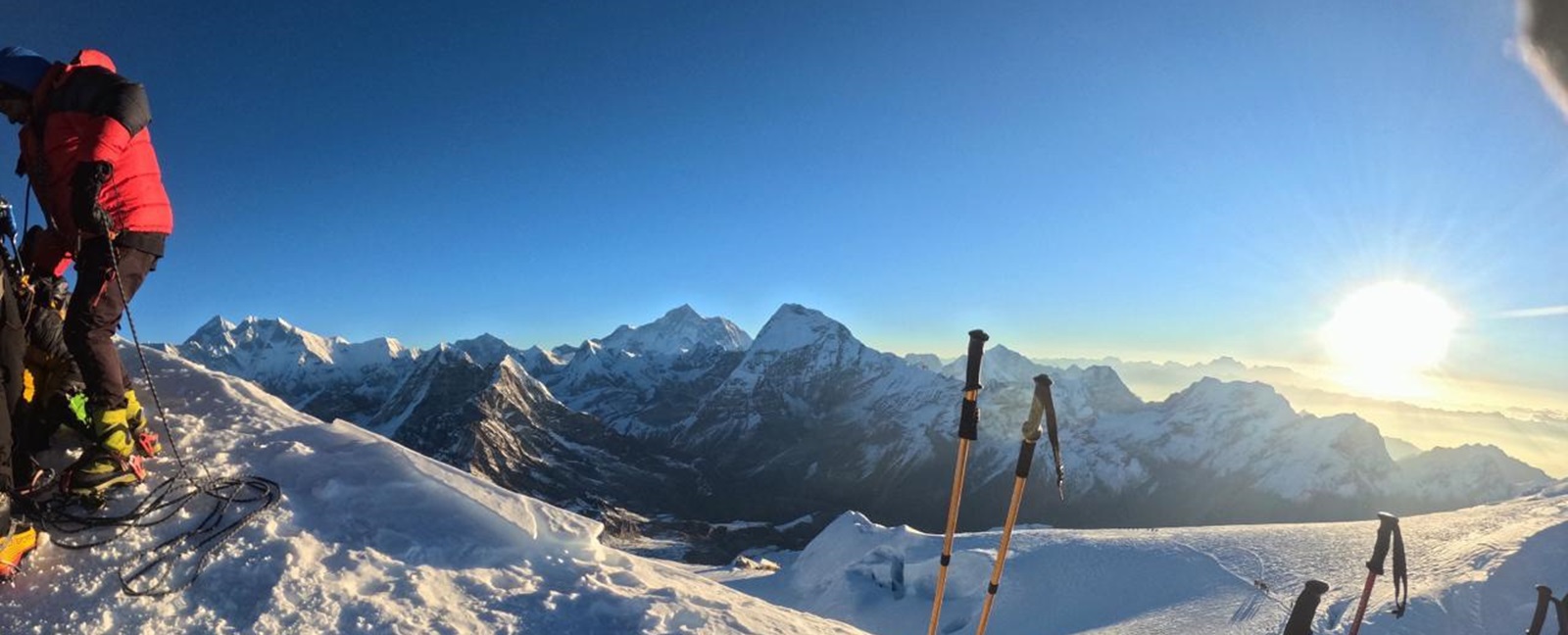
Mera Peak Climbing in Nepal is far more than a race toward a 6,476-meter summit. It is a complete Himalayan journey that combines remote wilderness, physical endurance, cultural encounters, high-altitude trekking, glacier travel, climbing preparation, and the extraordinary reward of standing above 6,000 meters in the heart of the Nepal Himalayas.
The choice between a short Mera Peak itinerary and a normal Mera Peak itinerary ultimately depends on your individual circumstances. There is no single schedule that is appropriate for every climber. Your available time, previous trekking experience, physical preparation, altitude experience, preferred pace, and expectations from the expedition should all be considered before selecting an itinerary.
The short Mera Peak itinerary is designed for adventurers who want to experience the essential mountain journey within a more limited timeframe. It can be particularly attractive to experienced trekkers, physically prepared climbers, professionals with restricted vacation time, and travelers who want to combine Mera Peak with other experiences in Nepal. Its greatest advantage is efficiency: fewer overall days while retaining the major stages of the expedition, including the approach, acclimatization, climbing preparation, high-camp experience, summit attempt, and descent.
However, saving time does not mean reducing the seriousness of the mountain. A shorter itinerary can involve a more concentrated schedule and less flexibility for additional acclimatization or recovery. Climbers considering this option should therefore be realistic about their physical condition, previous high-altitude experience, and ability to manage consecutive demanding trekking days.
The normal Mera Peak itinerary, on the other hand, provides a more gradual and immersive Himalayan experience. With additional days available, travelers have more time to experience the Hinku Valley, appreciate the changing Himalayan landscapes, settle into the rhythm of high-altitude trekking, and prepare themselves for the final climbing stages. For climbers who have enough time and prefer a less compressed journey, the longer itinerary can provide valuable flexibility.
Ultimately, the number of itinerary days should not be the only factor when choosing Mera Peak Climbing in Nepal. Altitude, acclimatization, weather, physical condition, route conditions, and individual response to the mountain are all more important than simply reaching the summit according to a fixed calendar.
A responsible Mera Peak expedition must remain flexible. Himalayan weather can change quickly, domestic flights can be affected by conditions, trail circumstances can vary, and every climber responds differently to increasing altitude. A planned itinerary should therefore serve as a framework rather than an absolute promise. If additional acclimatization or a delayed summit attempt becomes necessary, the mountain conditions and climber's wellbeing should take priority.
This is where professional expedition planning becomes essential.
At Outward Adventure Treks, our approach to Mera Peak Climbing focuses on combining adventure with preparation, experienced mountain leadership, appropriate acclimatization, climbing support, and responsible decision-making throughout the journey. Whether you select the short or normal itinerary, the objective is to provide an organized Himalayan experience while respecting the unpredictable nature of high-altitude environments.
For travelers dreaming of their first 6,000-meter Himalayan summit, Mera Peak offers an exceptional opportunity to step beyond conventional trekking and experience the world of mountaineering. At 6,476 meters, the summit provides an unforgettable perspective across the Himalayan giants while the journey itself reveals the remote beauty and cultural richness of Nepal's Khumbu and Hinku Valley landscapes.
If time is limited and you are well prepared for a concentrated adventure, a short Mera Peak itinerary may suit your plans. If you have more time and prefer a gradual, immersive Himalayan journey, the normal itinerary provides greater breathing room.
Whichever path you choose, Mera Peak deserves preparation, patience, respect, and professional guidance.
Your summit journey begins long before you reach 6,476 meters. Choose your itinerary wisely, prepare thoroughly, respect the mountain, and let Outward Adventure Treks take you toward one of Nepal's most remarkable high-altitude experiences.
Mera Peak — 6,476 meters. One extraordinary Himalayan journey. One summit that can become a defining adventure.
 Sep 19, 2026
Tharpu Chuli (Tent Peak) Climbing: Complete Nepal Peak Climbing Guide Tent Peak Climbing, also known as Tharpu Chuli Pe...
Read More Sep 15, 2026
Mera Peak Climbing with Heli Shuttle Mera Peak Climbing with Heli Shuttle is an extraordinary Himalayan adventure that...
Read More Sep 12, 2026
Namche Bazaar: The Gateway to Everest Trekking and Sherpa Culture Namche Bazaar is one of the most famous mountain sett...
Read More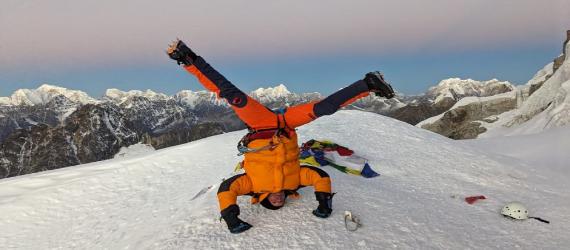 Sep 10, 2026
Peak Climbing vs. Expedition in Nepal: Understanding the Difference Nepal is one of the world’s premier destinati...
Read More
Leave a Comment