
Any Questions? Email Us
Talk to an Expert
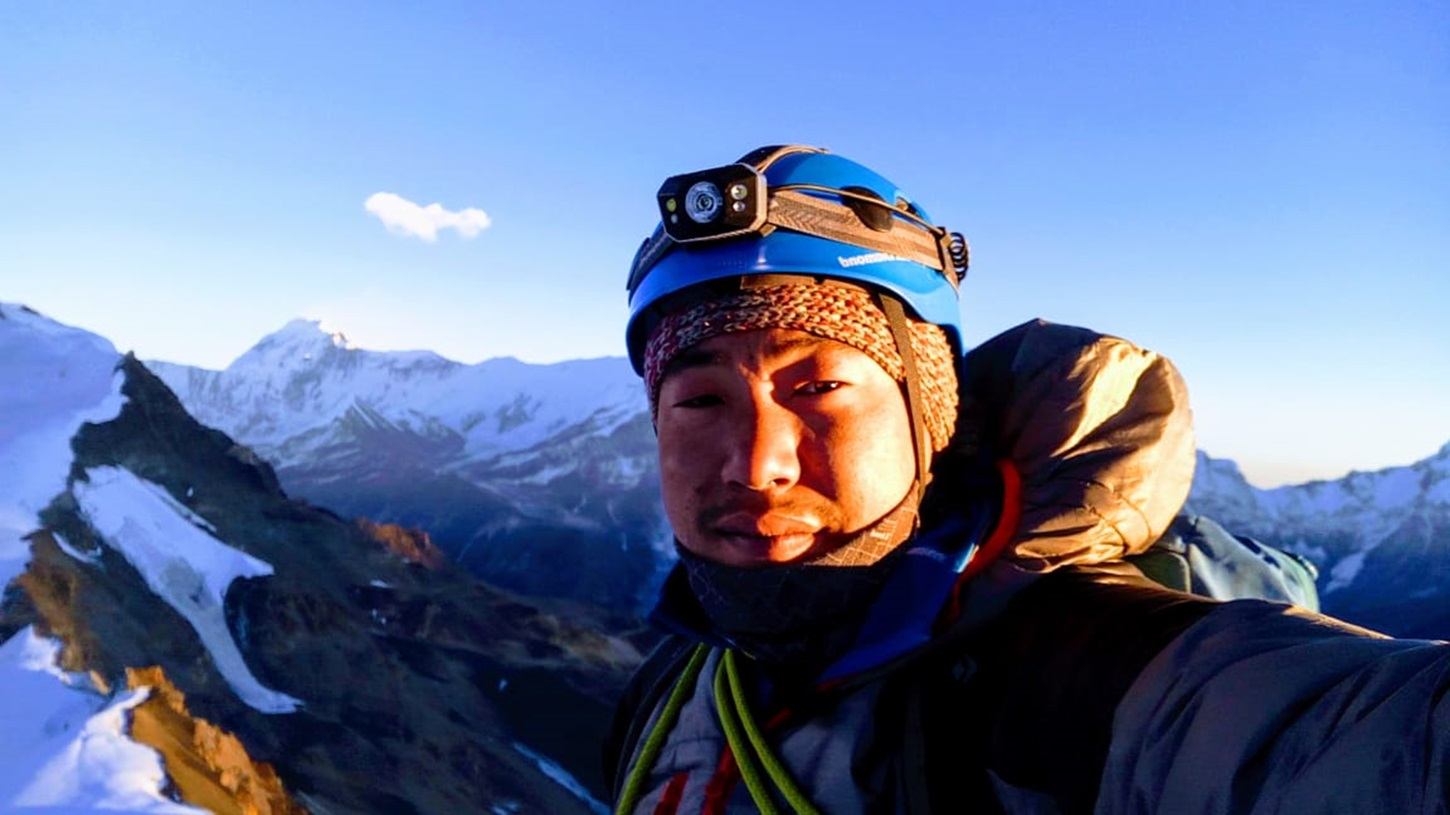
Chulu Far East Peak Climbing is a challenging Himalayan mountaineering adventure in Nepal’s spectacular Annapurna region, combining high-altitude trekking, technical climbing, dramatic mountain scenery, and authentic Himalayan landscapes. Rising to approximately 6,050 meters (19,849 feet), Chulu East Peak offers experienced trekkers and aspiring mountaineers an opportunity to progress from high-altitude trekking into Himalayan peak climbing while exploring one of Nepal’s most iconic mountain destinations.
Located north of the Annapurna massif, Chulu Far East is one of the prominent peaks of the Chulu mountain group. Its strategic position provides impressive views of Annapurna II, Annapurna III, Annapurna IV, Gangapurna, Tilicho Peak, Manaslu, Dhaulagiri, and numerous surrounding Himalayan peaks. The climb is particularly attractive to adventurers seeking a less commercialized Himalayan peak while still enjoying the infrastructure and cultural richness of the Annapurna trekking corridor.
The Chulu Far East Peak Climbing itinerary typically begins in the lower valleys of the Annapurna region and gradually moves through diverse Himalayan environments. Trekkers pass through traditional villages, cultivated hillsides, pine and rhododendron forests, alpine meadows, and increasingly rugged high-altitude terrain before reaching the climbing zone. This gradual progression is important because it allows the body to adapt naturally to increasing elevation and provides valuable preparation before attempting the summit.
From an adventure-travel perspective, Chulu Far East Peak Climbing in Nepal is more than simply reaching a 6,000-meter summit. It is a complete Himalayan experience that combines trekking, acclimatization, mountain culture, technical preparation, glacier and snow travel, and summit-day adventure. The journey offers climbers the chance to experience the transition from classic Himalayan trekking to genuine mountaineering in a spectacular environment.
One of the defining attractions of Chulu Far East is its combination of trekking and technical climbing. Depending on seasonal mountain conditions and the chosen route, climbers may encounter snow, ice, steep slopes, exposed terrain, and glacier-related challenges. Proper preparation is therefore essential. Climbers should be comfortable with strenuous trekking and should ideally have previous experience with high-altitude environments. Basic knowledge of mountaineering techniques, including the use of crampons, an ice axe, ropes, and appropriate climbing equipment, can significantly improve safety and confidence on the mountain.
For many mountaineers, the peak provides an excellent progression toward more demanding Himalayan objectives. At around 6,000 meters, it offers a genuine high-altitude climbing experience without requiring an expedition to an 8,000-meter mountain. The surrounding Annapurna landscape further enhances the experience, creating a remarkable combination of cultural immersion, trekking adventure, and Himalayan mountaineering.
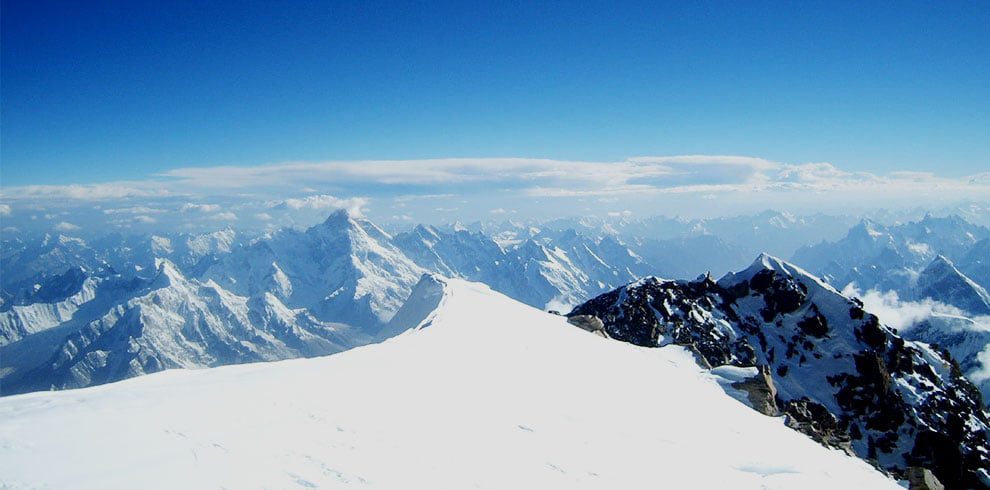
The approach to Chulu Far East also adds considerable value to the expedition. The Annapurna region is internationally recognized for its spectacular mountain scenery and culturally diverse settlements. Along the trail, travelers can encounter traditional Himalayan communities, ancient Buddhist and Hindu cultural influences, prayer flags, monasteries, stone houses, suspension bridges, and mountain villages shaped by centuries of life in the Himalayas. This cultural dimension makes the climb significantly more meaningful than a standalone summit attempt.
Geographically, the climb is closely connected with the wider Annapurna Circuit trekking ecosystem, allowing adventurers to experience one of Nepal's most diverse mountain landscapes within a single journey. The route passes from relatively lower elevations toward the alpine environment, creating a dramatic transformation in scenery, vegetation, climate, and terrain. As elevation increases, forests give way to open valleys, rocky landscapes, snow-covered slopes, and expansive Himalayan panoramas.
The best period for Chulu Far East Peak Climbing generally corresponds with Nepal's established Himalayan climbing seasons, particularly spring and autumn, when weather and mountain conditions are typically more suitable for high-altitude trekking and climbing. However, conditions can change rapidly in the Himalayas, and successful climbing depends on current weather, snow conditions, route accessibility, acclimatization, and the experience of the expedition team.
A successful Chulu Far East expedition requires more than physical strength. Acclimatization, appropriate equipment, experienced climbing leadership, weather awareness, hydration, nutrition, pacing, and responsible decision-making are fundamental components of a safe Himalayan climbing strategy. The mountain should be approached with respect, and summit success should always remain secondary to safety.
For adventure travelers searching for a challenging Himalayan peak climb in Nepal, Chulu Far East offers a compelling combination of altitude, technical terrain, spectacular scenery, and cultural discovery. It provides an opportunity to experience the Annapurna region from a different perspective—moving beyond conventional trekking trails toward the high Himalayan climbing environment.
Ultimately, Chulu Far East Peak Climbing represents the spirit of Himalayan adventure: a demanding journey through Nepal's spectacular Annapurna landscape that rewards preparation, perseverance, mountaineering skills, and respect for the mountains. From traditional mountain villages and high-altitude trails to snow-covered slopes and panoramic summit views, the expedition creates a memorable bridge between trekking and serious Himalayan mountaineering.
Chulu far East Peak Climbing with Outward Adventure Treks offers an extraordinary opportunity to move from high-altitude trekking into genuine Himalayan mountaineering. Rising to approximately 6,050 meters (19,849 feet), Chulu Far East is an impressive climbing objective in Nepal's Annapurna region, combining challenging terrain, progressive acclimatization, technical mountain skills, spectacular Himalayan scenery, and authentic cultural encounters.
For experienced trekkers and aspiring mountaineers, the attraction of Chulu East is not simply the summit. The entire expedition—from the approach through the Annapurna landscape to the final summit push—is part of the experience.
1. Experience a Real 6,000-Meter Himalayan Peak
2. Combine Trekking and Technical Mountaineering
Trekking → Acclimatization → High Camp → Climbing Preparation → Summit Attempt → Descent
3. Spectacular Annapurna Mountain Views
Depending on weather and visibility, climbers can enjoy views toward:
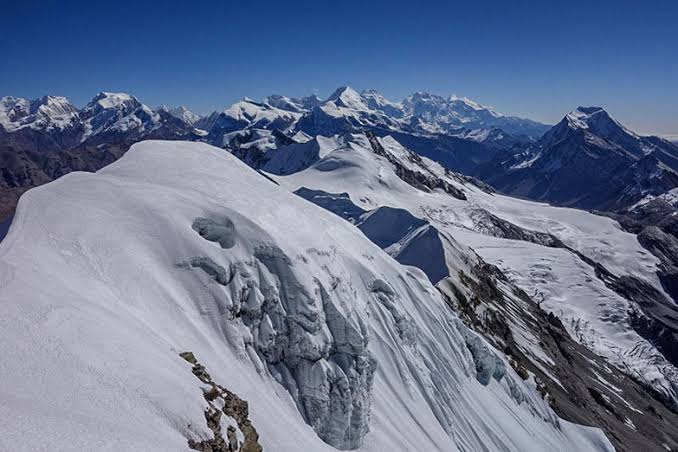
The combination of enormous mountain walls, glaciers, deep valleys, and changing Himalayan light makes the region particularly impressive during sunrise and sunset.
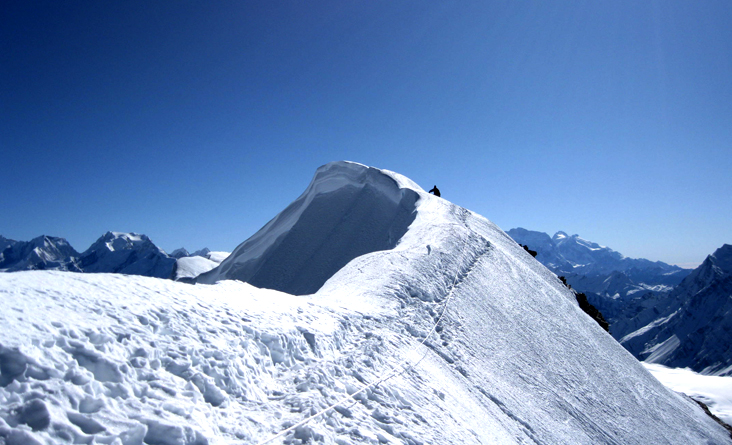
4. A More Complete Himalayan Adventure
5. Acclimatization Is a Major Part of the Journey
Outward Adventure Treks focuses on creating an itinerary that allows climbers to progressively adapt to the altitude rather than rushing toward the summit.
6. Develop Practical Himalayan Climbing Skills
Depending on current mountain conditions and the selected climbing route, preparation may include familiarity with:
7. Experienced Local Mountain Support
8. Discover the Culture Behind the Mountains
9. A Challenging Objective for Experienced Adventurers
10. Prepare for the Summit With the Right Mindset
11. An Opportunity to Progress Toward Bigger Himalayan Goals
High-Altitude Trekking → 6,000-Meter Peak → More Technical Himalayan Peaks → Higher-Altitude Expeditions
12. Responsible and Safety-Conscious Adventure
Outward Adventure Treks promotes an approach that respects:
The Himalayas are a fragile environment, and responsible travel helps preserve these landscapes for future generations.
When choosing a company for a Himalayan peak expedition, travelers should look beyond the headline price. Important considerations include local experience, itinerary design, acclimatization strategy, climbing support, logistics, equipment planning, communication, safety procedures, and understanding of mountain conditions.
Outward Adventure Treks brings these elements together to create a structured Chulu Far East climbing experience.
The objective is to make the expedition professionally organized while preserving the sense of adventure that makes Himalayan mountaineering special.
What Makes the Experience Different?
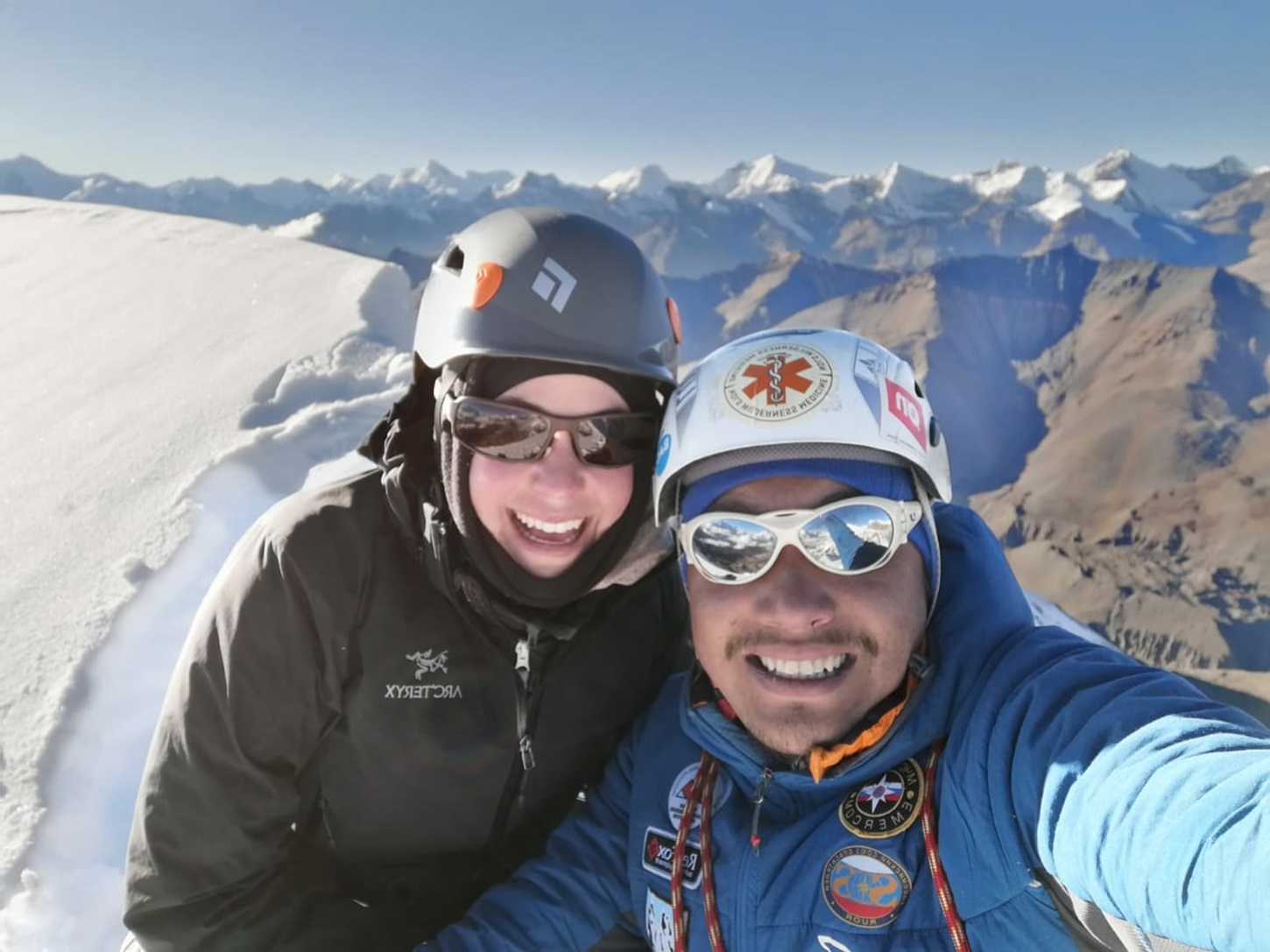
Chulu Far East Peak Climbing is suitable for adventure travelers, experienced trekkers, and aspiring mountaineers who are physically prepared for a demanding high-altitude journey and are interested in progressing from Himalayan trekking toward technical peak climbing. At approximately 6,050 meters (19,849 feet), Chulu Far East is a serious Himalayan objective, so preparation and previous mountain experience are important considerations.
With Outward Adventure Treks, the expedition is designed to provide a structured progression from trekking and acclimatization to the higher-altitude climbing environment. However, suitability ultimately depends on an individual's previous experience, physical condition, technical ability, and preparation.
1. Experienced High-Altitude Trekkers
Chulu Far East is particularly suitable for trekkers who have already completed demanding high-altitude journeys and want to take the next step into Himalayan peak climbing.
Previous experience on routes involving significant elevation gain can help travelers understand:
2. Aspiring Mountaineers
3. Physically Fit Adventure Travelers
Leg strength
Core stability
Endurance
Load-carrying ability
 4. Climbers Comfortable With High-Altitude Conditions
5. Travelers Interested in Learning Mountaineering Skills
Depending on the route and prevailing conditions, the climb may involve techniques and equipment associated with snow and alpine climbing, such as:
6. People With a Strong Commitment to Acclimatization
7. Adventure Travelers Who Enjoy Multi-Stage Expeditions
The experience can include:
Traditional villages → Himalayan trekking → Alpine landscapes → Acclimatization → High Camp → Technical climbing → Summit attempt → Descent
8. Photographers and Mountain-Landscape Enthusiasts
The journey offers opportunities to photograph:
9. Adventurers Who Want a Challenge Beyond Trekking
It represents a transition from:
Trekking → High-Altitude Trekking → Peak Climbing → Himalayan Mountaineering
10. Travelers Comfortable With Unpredictable Himalayan Weather
Suitable climbers should understand that the expedition schedule can be affected by:
11. Responsible and Safety-Conscious Travelers
This includes respecting:
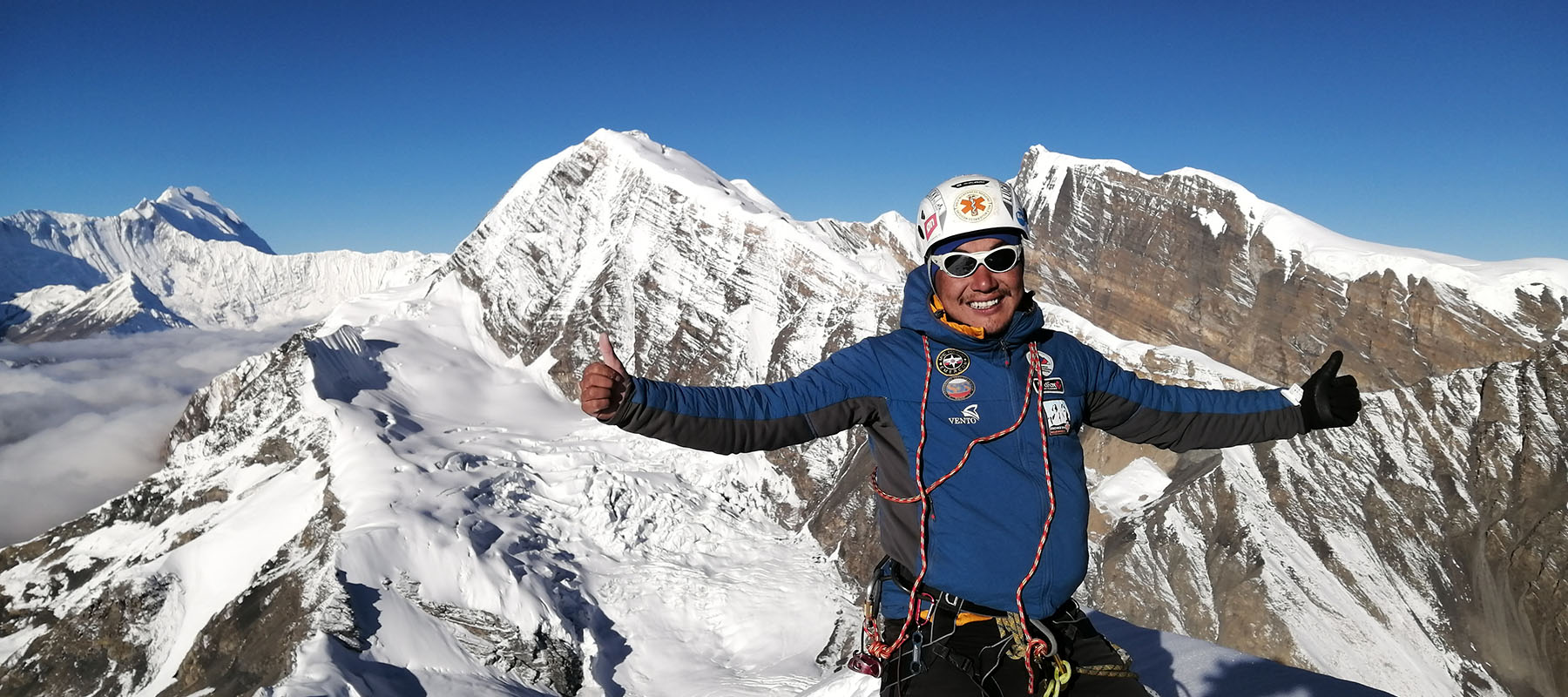
Not as a typical beginner trekking destination.
A person who has never trekked at altitude or has no experience with demanding mountain environments should not assume that Chulu Far East is an entry-level adventure simply because it is lower than an 8,000-meter mountain.
For newcomers, building experience through progressively more demanding trekking and climbing objectives can be a more appropriate preparation pathway.
Participants with limited technical climbing experience should discuss their background and training requirements with Outward Adventure Treks before confirming an expedition.
There is no single experience profile that guarantees readiness. However, useful preparation can include:
Who May Need Additional Preparation?
Additional preparation may be appropriate for travelers who:
Chulu Far East Peak Climbing is best suited to:
✅ Experienced or well-prepared high-altitude trekkers
✅ Physically fit adventure travelers
✅ Aspiring Himalayan mountaineers
✅ Climbers interested in a 6,000-meter objective
✅ Travelers prepared for cold and demanding terrain
✅ People willing to follow a proper acclimatization schedule
✅ Adventurers interested in developing mountaineering skills
✅ Participants who prioritize safety and responsible decision-making
In short, Chulu Far East is for adventurers who want to move beyond conventional trekking and experience the discipline, challenge, and excitement of a genuine Himalayan peak expedition. With proper preparation and professional support from Outward Adventure Treks, the journey can become an important milestone in a climber's Himalayan adventure.
For Chulu Far East Peak Climbing, two of the most important questions are: “What is the summit success rate?” and “When is the best time to climb?” The answer depends heavily on weather, snow and glacier conditions, acclimatization, technical ability, physical preparation, and the specific route used.
There is no single authoritative, independently verified success-rate dataset for Chulu Far East, so it is better not to present one percentage as a guaranteed industry-wide figure.
This difference is important: a company's reported success rate may describe its own clients and departures rather than all climbers attempting Chulu Far East.
Chulu Far East can have a strong summit-success potential when climbers are properly acclimatized, physically prepared, technically capable, and supported by experienced mountain professionals, but no responsible operator can guarantee summit success because Himalayan weather and mountain conditions can change rapidly.
The principal factors affecting summit success include:
Some current climbing sources describe Chulu Far East as a technically demanding 6,000-meter objective, with one specialist operator reporting a 60–70% success rate on its departures.
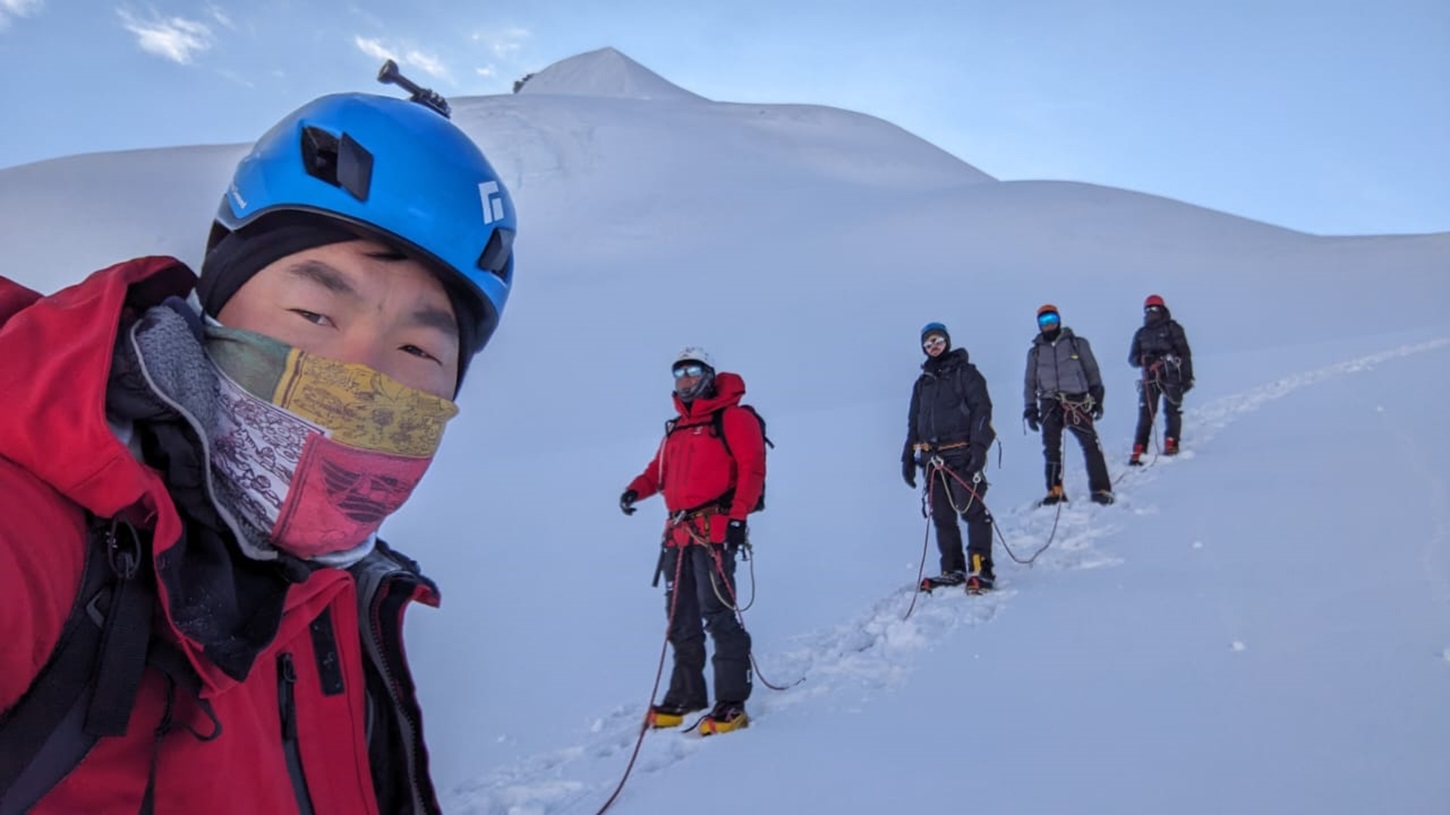
The two principal climbing seasons are:
Spring is one of the main climbing windows for Chulu Far East. Weather generally becomes more favorable after winter, daylight increases, and conditions can become suitable for high-altitude climbing. Several current Chulu Far East climbing sources identify March–May as one of the best periods.
March:
Early spring can still be cold at higher elevations, with winter snow remaining on the mountain. Conditions can vary considerably.
April:
April is commonly considered a favorable month, with improving weather and increasingly suitable climbing conditions.
May:
May can provide good climbing opportunities before the monsoon becomes established, although conditions need to be evaluated carefully as the season progresses.
Spring is particularly attractive to climbers who want a combination of mountain views, relatively stable conditions, and gradually warmer temperatures at lower elevations.
Autumn is the other major climbing season and is widely regarded as one of Nepal's strongest periods for Himalayan trekking and mountaineering.
After the monsoon, the atmosphere is often clearer, producing excellent visibility across the Annapurna region. Current Chulu Far East sources consistently identify September–November as a principal climbing window.
September
Early September can still experience some residual monsoon influence, so conditions can vary. Later September generally becomes more attractive as weather patterns stabilize.
October
October is generally one of the most popular months for Chulu Far East climbing, offering a strong combination of clearer skies, mountain visibility, and generally stable autumn conditions.
November
November can provide excellent visibility, particularly earlier in the month, but temperatures become progressively colder as winter approaches.
June to August is generally not the preferred period for a standard Chulu East expedition.
The monsoon can bring:
Winter climbing is technically possible, but it is considerably more demanding.
December through February can bring:
Choosing October instead of July, for example, does not automatically guarantee a summit.
A successful Chulu Far East expedition requires the right combination of:
Good Weather + Proper Acclimatization + Physical Fitness + Technical Skills + Suitable Equipment + Experienced Mountain Support + Safe Decision-Making
This is particularly important because current specialist descriptions differ on the exact technical difficulty and reported success rates of the peak. Some describe the route as involving significant glacier and steep snow/ice terrain, while other operators present it as more accessible with appropriate training.
“Chulu Far East Peak has strong summit potential during the spring and autumn climbing seasons when weather, route conditions, acclimatization, and climber preparation align. Outward Adventure Treks emphasizes proper acclimatization, experienced mountain support, appropriate climbing equipment, and responsible summit decisions rather than guaranteeing a fixed success rate.”

Chulu Far East Peak Climbing is a remarkable Himalayan adventure that brings together high-altitude trekking, technical mountaineering, acclimatization, cultural exploration, and breathtaking views across the Annapurna region. At approximately 6,050 meters (19,849 feet), Chulu Far East provides a serious yet rewarding objective for experienced trekkers and aspiring mountaineers seeking to progress beyond conventional Himalayan trekking.
The journey is about much more than reaching the summit. From the first stages of the approach trek through traditional Himalayan villages to the increasingly dramatic alpine landscape, every section offers a different perspective of Nepal's mountains. As the expedition progresses toward high camp and the summit, climbers experience the realities of high-altitude mountaineering—including cold temperatures, reduced oxygen, steep terrain, changing weather, and the need for careful preparation.
For those considering 6,000-meter peak climbing in the Annapurna region, Chulu Far East offers an exceptional combination of adventure and scenery. The surrounding panorama of the Annapurna massif, Gangapurna, Tilicho Peak, and other Himalayan peaks creates an unforgettable setting for a demanding climbing journey.
Timing is equally important. Spring and autumn are generally regarded as the principal climbing seasons, with March to May and September to November offering the most commonly selected windows. However, no season can guarantee favorable summit conditions. Weather, snow conditions, route accessibility, acclimatization, physical preparation, and individual circumstances can all influence the final summit attempt.
This is why responsible expedition planning matters. Outward Adventure Treks approaches Chulu Far East as a complete Himalayan expedition, with emphasis on progressive acclimatization, appropriate preparation, climbing logistics, experienced mountain support, and responsible decision-making. Rather than treating the summit as the only measure of success, the expedition prioritizes a safe and well-managed journey from the trailhead to the high mountain and back.
For climbers, Chulu Far East can also represent an important stage in their Himalayan journey. The experience of trekking at altitude, adapting to high-elevation conditions, using mountaineering equipment, moving through snow and alpine terrain, and managing a summit attempt can provide valuable experience for future climbing objectives.
Ultimately, Chulu Far East Peak Climbing with Outward Adventure Treks is an opportunity to challenge yourself in one of Nepal's most spectacular mountain environments while experiencing the culture, landscapes, and spirit of the Himalayas. With appropriate preparation, realistic expectations, professional support, and respect for the mountain, the expedition can become far more than a summit achievement—it can become a defining Himalayan adventure.
Your Chulu Far East journey begins with preparation, progresses through the Annapurna Himalayas, and culminates in the pursuit of a 6,000-meter summit. The mountain sets the conditions; preparation, patience, and responsible mountaineering determine how you meet the challenge.
 Sep 23, 2026
Mera Peak Climbing is one of Nepal’s most rewarding Himalayan adventures, offering an unforgettable journey to Mer...
Read More Sep 19, 2026
Tharpu Chuli (Tent Peak) Climbing: Complete Nepal Peak Climbing Guide Tent Peak Climbing, also known as Tharpu Chuli Pe...
Read More Sep 15, 2026
Mera Peak Climbing with Heli Shuttle Mera Peak Climbing with Heli Shuttle is an extraordinary Himalayan adventure that...
Read More Sep 12, 2026
Namche Bazaar: The Gateway to Everest Trekking and Sherpa Culture Namche Bazaar is one of the most famous mountain sett...
Read More
Leave a Comment