
Any Questions? Email Us
Talk to an Expert
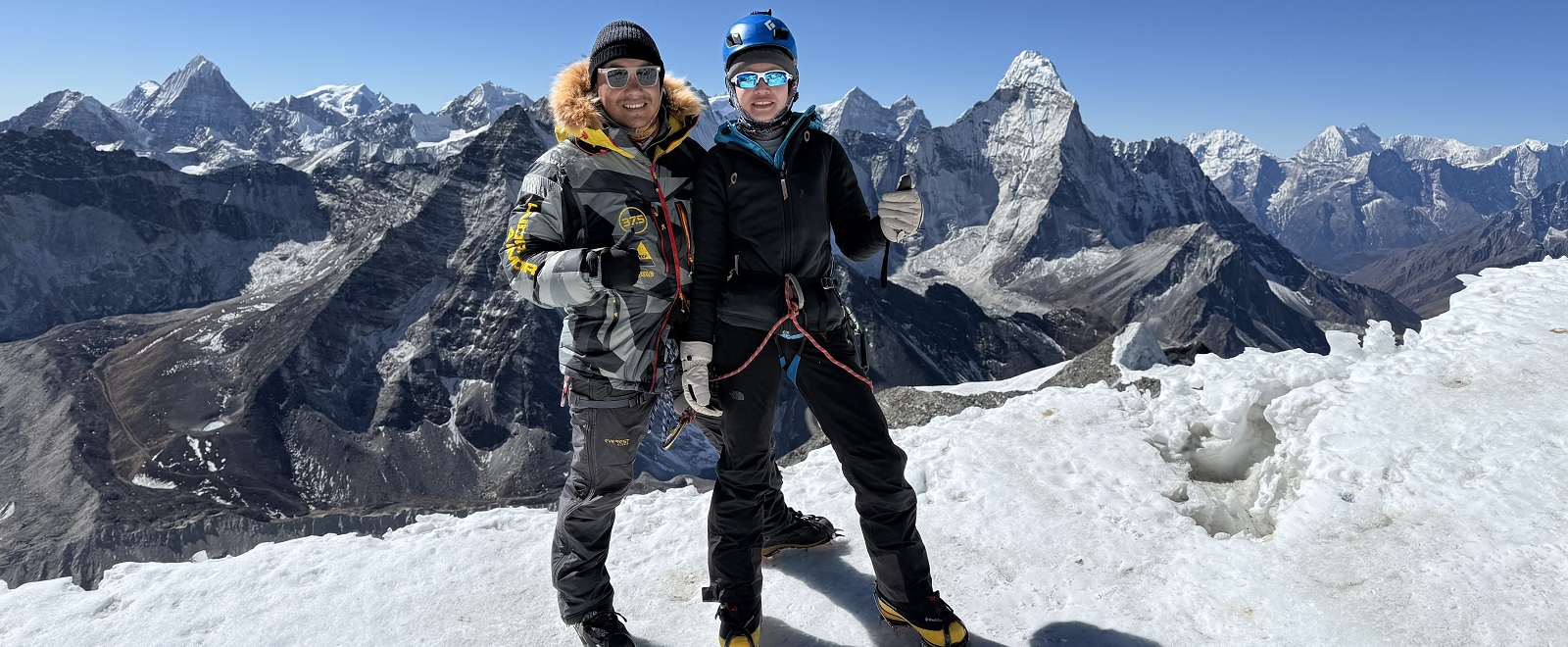
Island Peak, officially known as Imja Tse, is one of the most popular trekking peaks in Nepal and a major introduction to Himalayan mountaineering. Rising to approximately 6,189 meters (20,305 feet) above sea level, Island Peak is located in the Everest region of Nepal and offers climbers an exciting combination of high-altitude trekking, glacier travel, fixed-rope climbing, and Himalayan expedition experience.
For trekkers looking to move from high-altitude trekking into mountaineering, Island Peak Climbing in Nepal is one of the most attractive choices. The journey combines the classic Everest region trail with technical climbing preparation and a summit attempt surrounded by some of the world's most spectacular Himalayan peaks, including Lhotse, Nuptse, Ama Dablam, Baruntse, and Everest.
However, Island Peak is not simply a high-altitude hike. Climbers need appropriate physical fitness, acclimatization, technical preparation, suitable equipment, and a responsible approach to altitude safety.
This comprehensive FAQ answers the most frequently asked questions about Island Peak Climbing, including the Island Peak height, difficulty, best season, cost, itinerary, climbing skills, permits, acclimatization, altitude sickness, equipment, success factors, and whether beginners can climb Island Peak.
Island Peak, also called Imja Tse, is a 6,189-meter trekking peak in Nepal's Everest region. It is one of Nepal's most popular climbing peaks because it combines a challenging Himalayan summit with the cultural and scenic experience of the Everest region.
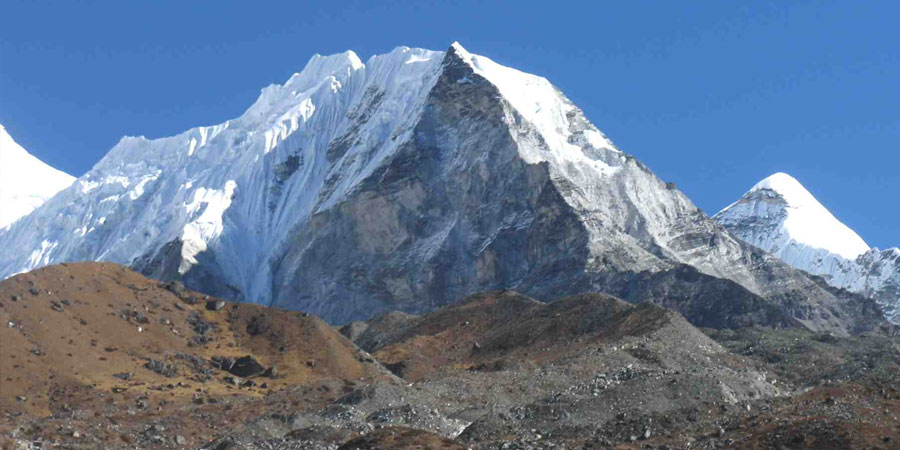
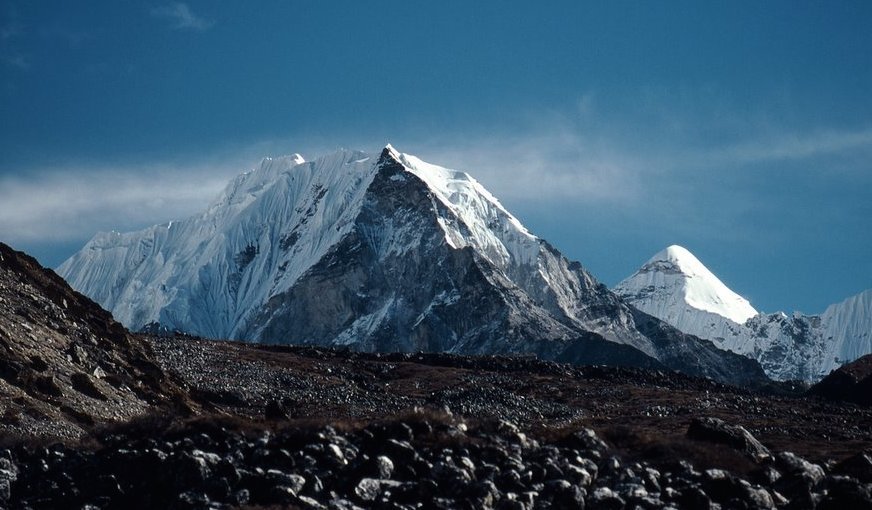
The mountain was named Island Peak because it appears like an island surrounded by a sea of ice when viewed from the surrounding valleys.
Island Peak is located in the Imja Valley of the Khumbu region, close to Chhukung and relatively near Everest Base Camp. Most climbing itineraries approach the mountain through the classic Everest Base Camp trekking route before turning toward Chhukung and Island Peak Base Camp.
The mountain provides an excellent introduction to Himalayan climbing because the expedition involves:
Because of these elements, Island Peak is considerably more demanding than a normal Everest Base Camp trek.
Island Peak stands at approximately 6,189 meters (20,305 feet) above sea level.
At this elevation, the effects of altitude become a major consideration. Climbers cannot rely only on physical strength. Proper acclimatization and a carefully designed itinerary are essential for improving safety and summit chances.
The elevation profile of an Island Peak expedition normally progresses gradually from lower-altitude areas such as Lukla and Namche Bazaar toward higher settlements including Tengboche, Dingboche, and Chhukung.
The final ascent from Island Peak Base Camp toward the summit involves substantial altitude gain and technical climbing.
For this reason, a professional Island Peak climbing itinerary should include sufficient acclimatization days rather than attempting to reach the summit too quickly.
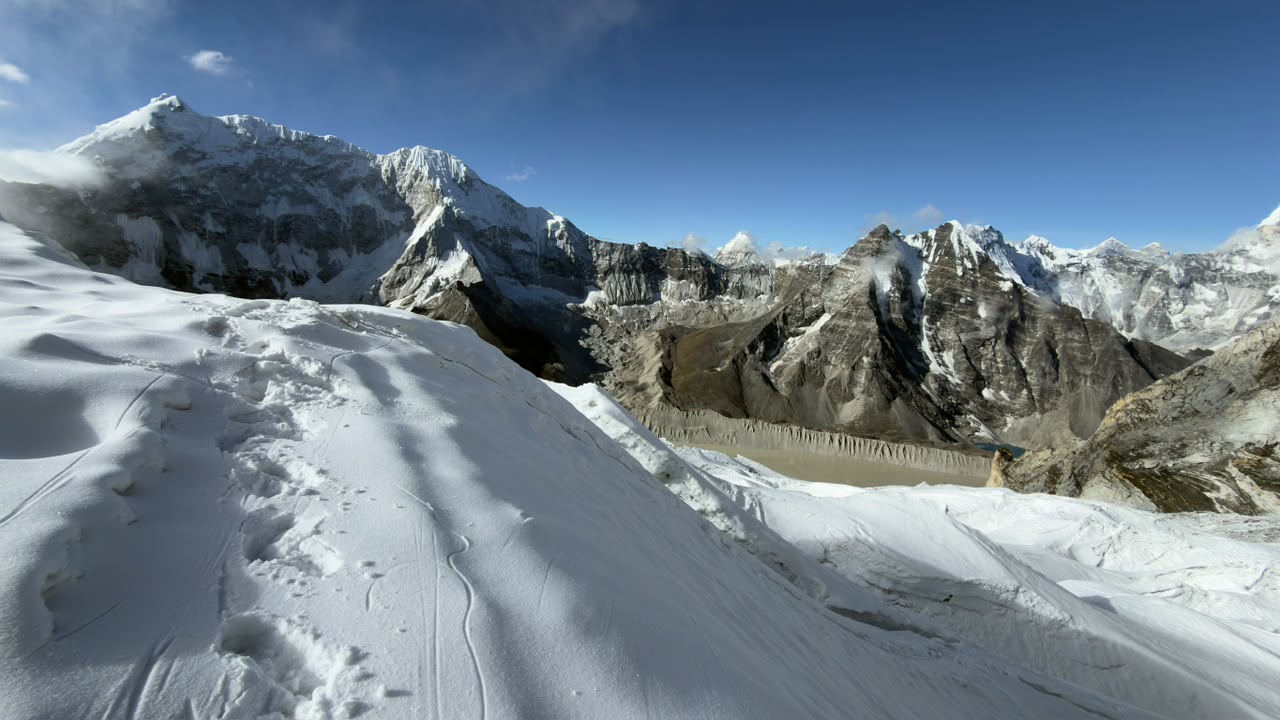
Island Peak is located in the Everest region of Nepal, in the Khumbu area of Koshi Province. The mountain sits near Chhukung in the Imja Valley and is surrounded by some of the most famous peaks in the Himalayas.
The mountain's location makes it particularly attractive because climbers can combine Island Peak climbing with an Everest Base Camp trek or other Everest-region adventures.
Depending on the itinerary, the journey can include famous locations such as:
The surrounding landscape provides views of massive Himalayan peaks throughout the journey.
Yes. Island Peak and Imja Tse are two names for the same mountain.
The mountain is officially known as Imja Tse, while the name Island Peak remains widely used by trekkers, climbers, travel companies, and international mountaineering communities.
When searching online, you may therefore encounter terms such as:
These terms generally refer to climbing the same Himalayan peak.
Island Peak is considered a challenging trekking peak rather than an easy trekking destination.
Although it is frequently marketed as a suitable first Himalayan climbing experience, climbers should not underestimate the mountain.
The difficulty comes from a combination of:
A person who has successfully completed high-altitude trekking may have an advantage, but previous trekking experience alone does not automatically guarantee success.
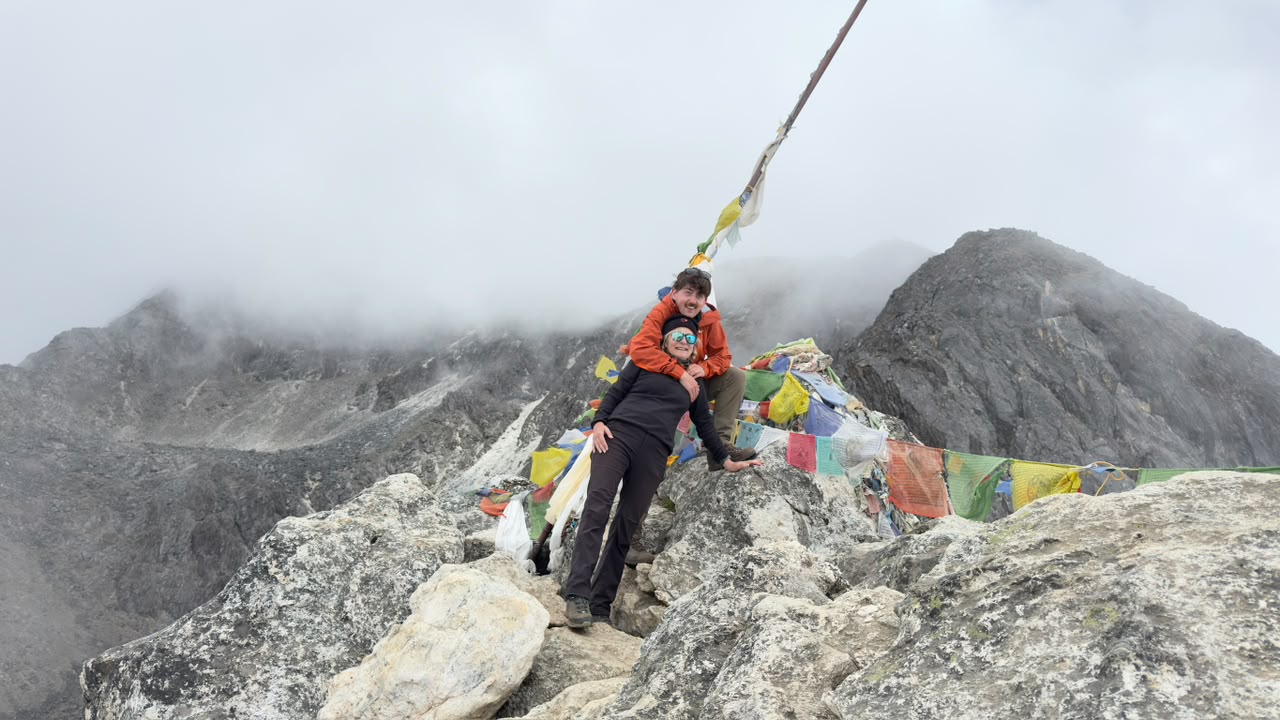
Yes, physically fit beginners can potentially climb Island Peak with proper preparation, professional guidance, and appropriate acclimatization.
However, "beginner-friendly" should not be interpreted as "easy."
First-time climbers should ideally develop basic mountaineering skills before summit day. A reputable climbing operator should provide practical instruction covering equipment and climbing techniques.
Useful skills include for Ialand Peak Climbing:
Outward Adventure Treks can structure the experience around gradual acclimatization, climbing preparation, professional guidance, and responsible Himalayan logistics.
Previous mountaineering experience is helpful but is not always mandatory for Island Peak.
A climber with experience on peaks such as Mera Peak, Lobuche East, or other trekking peaks may find the technical aspects easier to understand.
However, people without previous summit experience can still prepare for Island Peak by undertaking:
The most important consideration is not simply whether you have climbed another mountain. It is whether you are physically prepared, mentally prepared, properly acclimatized, and capable of following your guide's safety instructions.
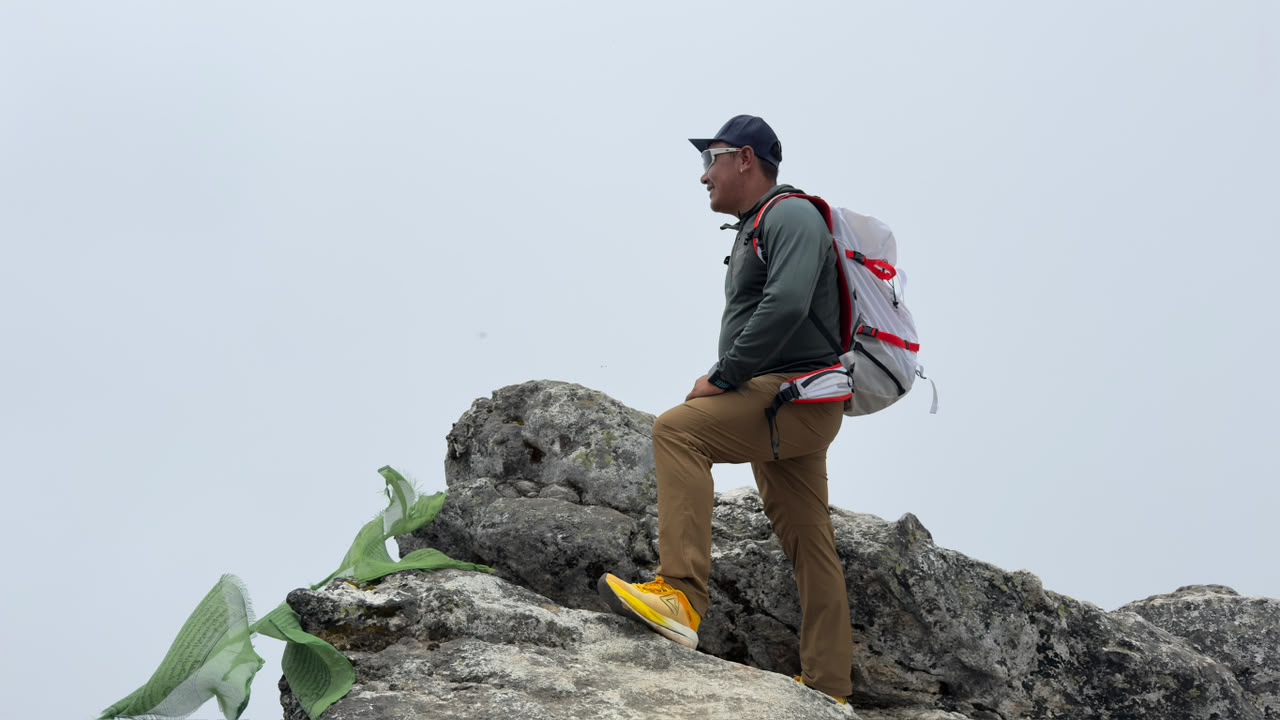
A typical Island Peak climbing itinerary can take around two to three weeks, depending on the route, acclimatization schedule, trekking objectives, weather, and whether Everest Base Camp is included.
A basic climbing itinerary may include:
An itinerary combining Everest Base Camp Trek and Island Peak Climbing can require additional days.
A responsible itinerary should prioritize acclimatization instead of simply minimizing the number of days.
The best seasons for Island Peak climbing are generally spring and autumn.
Spring Season
Spring typically runs from March to May and is one of the most popular periods for Himalayan climbing.
Autumn Season
Autumn generally runs from September to November and is another excellent period for Island Peak climbing.
Winter
Winter climbing is possible for experienced and properly prepared mountaineers, but extremely cold temperatures, snowfall, shorter daylight, and harsher conditions can make the climb more demanding.
Monsoon
June to August is Nepal's monsoon period. Trekking and climbing conditions can be affected by rainfall, cloud, flight disruptions, wet trails, and unstable mountain weather at lower elevations.
For most international climbers, spring and autumn remain the preferred seasons for Island Peak Climbing in Nepal.
The classic Island Peak climbing route normally begins in Kathmandu and proceeds toward Lukla before following the Everest region trekking trail.
A typical route includes:
Kathmandu → Lukla → Phakding → Namche Bazaar → Tengboche → Dingboche → Chhukung → Island Peak Base Camp → Island Peak Summit → Chhukung → Lukla → Kathmandu
The exact route can vary depending on the itinerary.
If the expedition combines Everest Base Camp and Island Peak, climbers may first trek toward Everest Base Camp before returning through the Khumbu Valley toward Chhukung and Island Peak.
The route offers spectacular views while gradually introducing climbers to increasingly demanding altitude conditions.
Everest Base Camp is not automatically included in every Island Peak climbing itinerary.
Some packages focus directly on Island Peak, while others combine:
Everest Base Camp Trek + Island Peak Climbing
A combined itinerary is attractive for travelers who want to experience both the world's most famous trekking destination and a Himalayan summit.
A combined trip can provide:
There is no single correct number of days because the ideal itinerary depends on the climber's experience, acclimatization needs, route, weather, and whether additional destinations are included.
A well-designed itinerary generally needs enough time for:
For a successful Island Peak climbing expedition, flexibility is valuable because Himalayan weather can change rapidly.
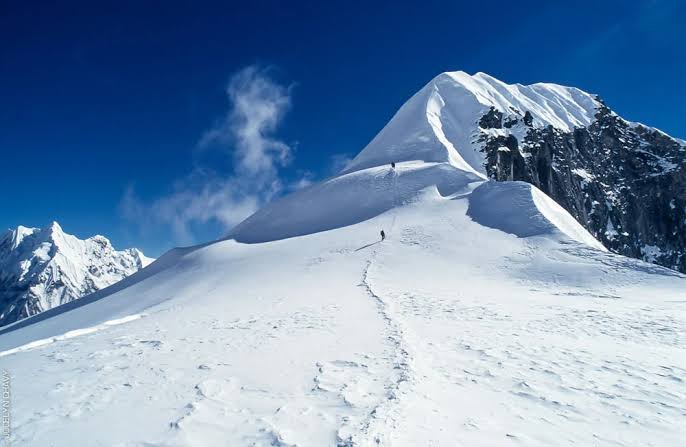
Island Peak summit day is usually the most physically and mentally demanding part of the expedition.
Climbers generally begin very early, often during the night, so they can reach higher sections before weather conditions deteriorate and have sufficient daylight for the descent.
A summit day may involve:
A strong climbing team therefore focuses not only on reaching the top but also on returning safely.
Yes, proper mountaineering equipment such as crampons may be required depending on current route and snow conditions.
Crampons provide traction on snow and ice and are an important component of high-altitude climbing equipment.
Climbers should be familiar with:
Do I Need an Ice Axe for Island Peak?
An ice axe is an important mountaineering tool for Island Peak climbing.
Depending on the route and conditions, the axe may be used for:
Simply carrying an ice axe is not enough. Climbers should know how to use it correctly.
Professional guides can provide practical instruction during climbing preparation.
Yes. Island Peak includes technical climbing elements, particularly during the upper sections of the mountain.
The precise technical requirements can change according to route and conditions.
Climbers may encounter:
This is why Island Peak should not be treated as a normal trekking destination.
It is better described as a trekking peak and introductory Himalayan mountaineering experience.
Island Peak involves genuine high-altitude and mountaineering risks, but those risks can be managed through preparation, professional leadership, appropriate equipment, acclimatization, and sound decision-making.
Potential hazards include:
The safest approach is to respect the mountain, monitor conditions, follow professional guidance, and be prepared to turn around when conditions become unsafe.
A summit is an objective; returning safely is the priority.
Altitude sickness can occur when the body struggles to adapt to reduced oxygen levels at high elevation.
Common symptoms can include:
More serious altitude-related illnesses can become life-threatening.
For this reason, acclimatization is one of the most important components of Island Peak climbing.
Climbers should immediately communicate unusual symptoms to their guide rather than hiding them because they want to continue toward the summit.
Descending to a lower altitude can be a critical part of managing serious altitude illness.
The best preparation combines cardiovascular fitness, leg strength, endurance, hiking experience, mental preparation, and basic mountaineering skills.
A preparation program can include:
Cardiovascular Training
Useful activities include:
Focus on:
Gradually increase:
You may encounter:
A complete equipment list varies by season, route, and climbing operator, but typical Island Peak climbing equipment can include:
The equipment should be appropriate for the expected temperature and climbing conditions.
Island Peak climbing requires appropriate permits and local/regional trekking documentation.
Permit requirements can vary according to Nepal's mountaineering regulations, season, route, and current government rules.
A professional trekking agency should handle the necessary permit arrangements and advise climbers about the documents required for their specific expedition.
Travelers should always confirm the latest permit regulations before departure because fees and administrative requirements can change.
The cost of Island Peak climbing depends on itinerary length, services, group size, permits, guide support, accommodation, transportation, equipment, food, and whether Everest Base Camp is included.
Major cost components can include:
When comparing Island Peak climbing cost in Nepal, travelers should check exactly what is included and excluded.
A responsible package should prioritize experienced staff, appropriate logistics, safety, and adequate acclimatization rather than competing solely on price.
Yes. Everest Base Camp Trek with Island Peak Climbing is one of the most popular combination adventures in the Everest region.
This itinerary allows travelers to experience:
Everest Base Camp + Kala Patthar region + Khumbu Valley + Chhukung Valley + Island Peak Summit
The combination is especially attractive to adventure travelers who want more than a standard Everest Base Camp trek.
It also provides valuable high-altitude trekking experience before the Island Peak summit attempt.
However, the combined adventure is physically demanding and requires sufficient time for acclimatization.
Depending on experience, itinerary, season, and logistics, Island Peak can potentially be combined with other Himalayan adventures.
Some travelers consider combinations involving:
However, combining multiple climbing objectives increases physical demands and logistical complexity.
A combined itinerary should be designed around realistic acclimatization and recovery rather than simply adding as many destinations as possible.
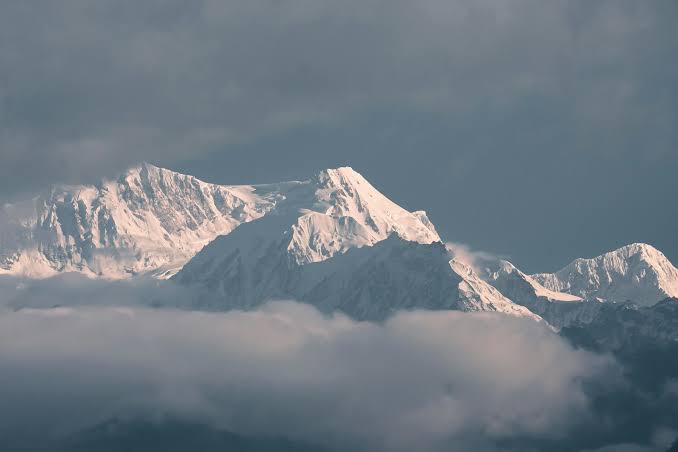
Yes. Island Peak is significantly more demanding than a standard Everest Base Camp trek because it includes technical climbing and a summit attempt above 6,000 meters.
Everest Base Camp trekking involves high-altitude hiking but does not normally require technical climbing equipment such as crampons, harnesses, ascenders, or ice axes for the standard route.
Island Peak adds:
Therefore, completing Everest Base Camp does not automatically mean a climber is ready for Island Peak, although EBC experience can be valuable preparation.
The answer depends on the route, current mountain conditions, individual fitness, and experience.
Both Island Peak and Mera Peak are popular trekking peaks in Nepal, but they provide different climbing experiences.
Mera Peak is generally known for its high elevation and physically demanding ascent, while Island Peak provides more prominent technical climbing elements.
Therefore, the better choice depends on whether the climber prioritizes:
There is no universal fixed success rate for Island Peak because summit success varies between seasons, weather conditions, route conditions, acclimatization, physical preparation, individual experience, and expedition management.
Instead of relying only on a published percentage, climbers should consider the factors that influence success.
Major Success Factors
Acclimatization: Gradual altitude gain gives the body more time to adapt.
Fitness: Strong cardiovascular endurance and leg strength are valuable.
Weather: Stable conditions can significantly improve summit opportunities.
Technical skills: Understanding ropes, crampons, ice axes, and climbing movement is essential.
Equipment: Proper equipment protects climbers from cold and technical hazards.
Guide support: Experienced mountain professionals can help assess conditions and make safer decisions.
Mental resilience: Climbers must remain patient and flexible.
A successful expedition is not simply about reaching the summit; it is about completing the entire journey safely.
There is no single ideal age for Island Peak climbing.
Physical fitness, previous experience, medical suitability, acclimatization, and individual endurance are more important than age alone.
Younger and older climbers can potentially participate if they are appropriately prepared and medically suitable.
Older travelers should particularly focus on:
Every climber should honestly assess their physical condition before undertaking a 6,000-meter expedition.
Yes. Women from around the world successfully participate in Himalayan trekking and climbing expeditions, including trekking peaks such as Island Peak.
The key requirements are the same for all climbers:
Traveling alone to Nepal is possible, but climbing Island Peak independently is a very different matter from solo trekking.
Because Island Peak involves technical terrain and high-altitude risks, many climbers choose to join an organized expedition with an experienced guide and support team.
Professional support can assist with:
Comprehensive travel insurance with high-altitude trekking and mountaineering coverage is strongly recommended for Island Peak climbing.
Standard travel insurance may not automatically cover high-altitude mountaineering.
Before purchasing a policy, travelers should carefully check whether it covers:
Helicopter evacuation may be possible in appropriate circumstances, subject to weather, location, aviation restrictions, availability, insurance authorization, and the nature of the emergency.
However, helicopter evacuation should never be considered a replacement for proper acclimatization and mountain safety.
The best expedition strategy is prevention:
Prepare properly → acclimatize gradually → monitor symptoms → follow professional advice → descend when necessary.
During the trekking section, climbers generally eat at local teahouses and lodges.
Common meals can include:
At higher elevations and during the climbing phase, food options may become more limited.
Adequate hydration and sufficient calories are important because the body uses significant energy in cold and high-altitude environments.
Island Peak can be extremely cold, particularly at night and during the summit attempt.
Temperature depends on season, elevation, wind, cloud cover, and weather conditions.
The summit day can involve:
A warm sleeping bag, insulated clothing, gloves, and appropriate footwear can make a major difference to comfort and safety.
Island Peak is special because it provides a relatively accessible pathway into Himalayan mountaineering while placing climbers in one of Nepal's most spectacular mountain environments.
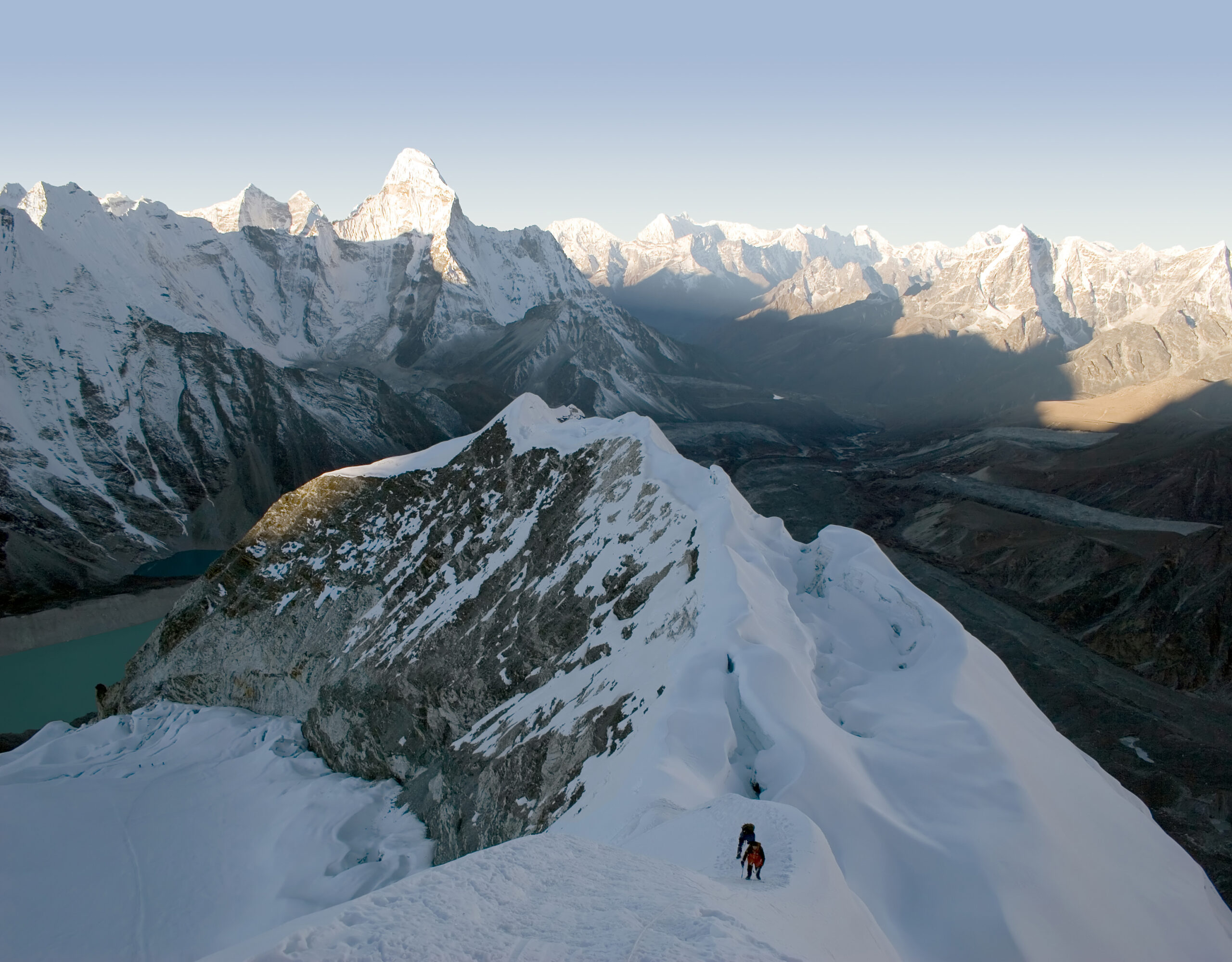
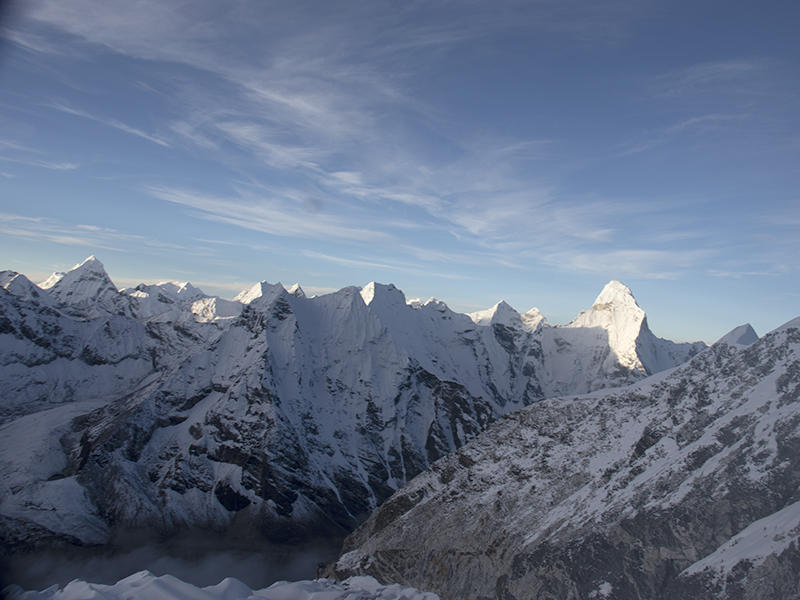
From the route, climbers can experience dramatic views of:
The expedition also introduces climbers to Sherpa culture, Buddhist monasteries, traditional mountain villages, and the legendary Everest trekking environment.
For many travelers, the summit is not the only achievement. The entire journey through the Khumbu becomes part of the experience.
Choosing the right trekking and climbing agency is one of the most important decisions when planning an Island Peak expedition.
Outward Adventure Treks focuses on Himalayan trekking and climbing experiences in Nepal, with an emphasis on professional mountain guidance, practical logistics, acclimatization, and personalized expedition support.
When selecting an Island Peak climbing operator, travelers should look for:
Outward Adventure Treks can help travelers plan an Island Peak adventure according to their experience, schedule, fitness level, and preferred itinerary.
Whether you are planning a dedicated Island Peak Climbing expedition or want to combine the summit with an Everest Base Camp Trek, professional planning can help make the journey more organized and safer.
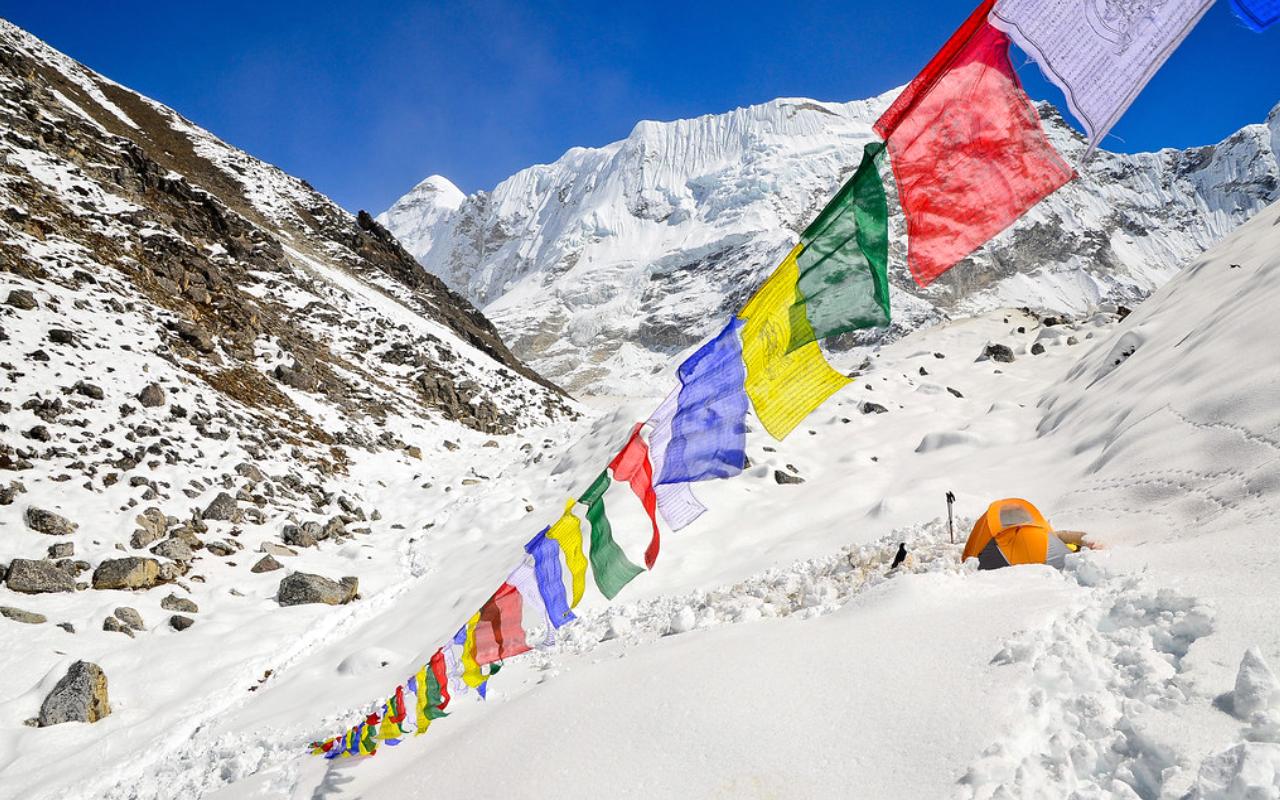
Yes, Island Peak Climbing is an excellent choice for adventurous travelers who want to progress from high-altitude trekking into Himalayan mountaineering.
At approximately 6,189 meters, Island Peak provides an authentic introduction to the challenges of climbing above 6,000 meters. The expedition combines the legendary Everest region trekking experience with technical climbing, glacier travel, fixed-rope sections, and a rewarding Himalayan summit objective.
But Island Peak should never be approached casually.
Success depends on more than determination. Physical fitness, acclimatization, technical preparation, equipment, weather awareness, experienced guidance, and responsible decision-making all contribute to a successful expedition.
For travelers considering their first Himalayan climbing adventure, Island Peak can be an ideal progression from trekking toward mountaineering. Combining the journey with Everest Base Camp can make the experience even more comprehensive, while climbers with previous trekking or climbing experience may use the mountain as an important step toward more challenging Himalayan objectives.
With careful preparation and the right support team, the journey from the trails of the Khumbu to the summit of Island Peak (Imja Tse) can become one of the most memorable achievements of your Nepal adventure.
Plan your Island Peak Climbing adventure with Outward Adventure Treks and experience the Everest region beyond trekking—where high-altitude adventure, Sherpa culture, technical climbing, and Himalayan summit dreams come together.
 Sep 30, 2026
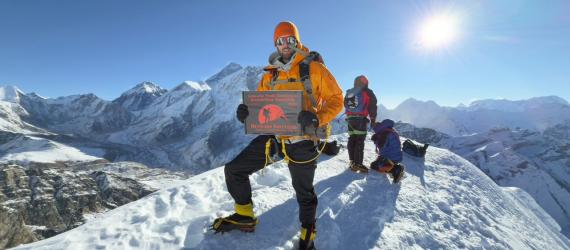
Lobuche Peak Climbing: Conquer the Everest Region Lobuche Peak Climbing is an exhilarating Himalayan adventure in Nepal...
Read More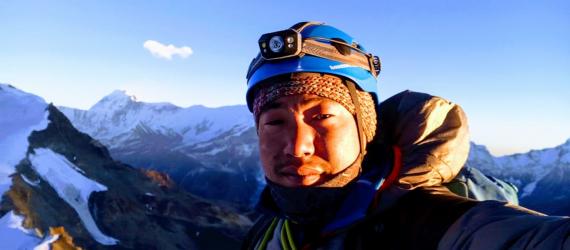 Sep 27, 2026
Chulu Far East Peak Climbing: 6,000m Himalayan Adventure in Nepal Chulu Far East Peak Climbing is a challenging Himalay...
Read More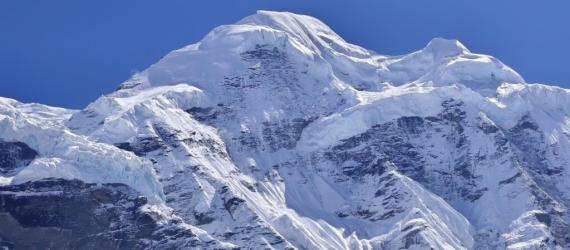 Sep 23, 2026
Mera Peak Climbing is one of Nepal’s most rewarding Himalayan adventures, offering an unforgettable journey to Mer...
Read More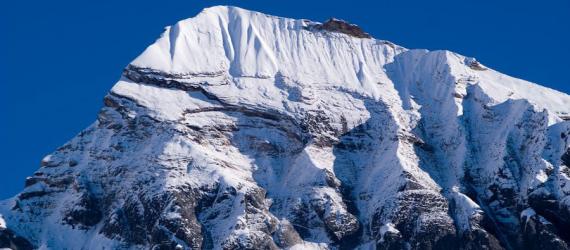 Sep 19, 2026
Tharpu Chuli (Tent Peak) Climbing: Complete Nepal Peak Climbing Guide Tent Peak Climbing, also known as Tharpu Chuli Pe...
Read More
Leave a Comment