
Any Questions? Email Us
Talk to an Expert
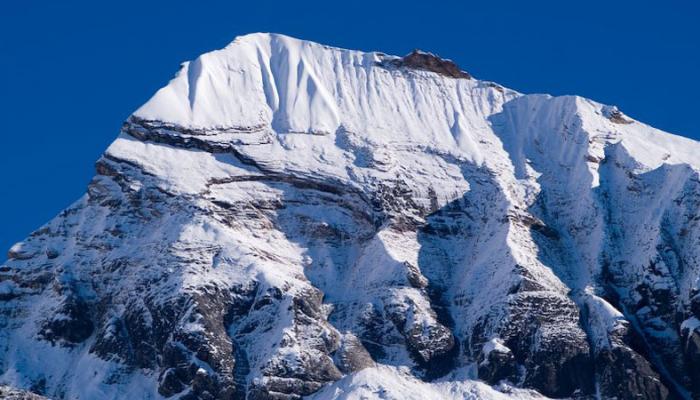
Tent Peak Climbing, also known as Tharpu Chuli Peak Climbing, is an exciting Himalayan adventure in Nepal’s spectacular Annapurna region. Rising to approximately 5,663 meters (18,575 feet) above sea level, Tent Peak offers an exceptional combination of high-altitude trekking, breathtaking mountain scenery, cultural exploration, and Himalayan peak climbing. Located within the famous Annapurna Sanctuary, the peak provides adventure seekers with an opportunity to experience the dramatic beauty of the Himalayas while progressing from trekking trails into a true mountain-climbing environment.
For travelers searching for Tent Peak Climbing in Nepal, this adventure offers much more than reaching a Himalayan summit. The journey takes climbers through some of the most remarkable landscapes of the Annapurna region, beginning with green hills, terraced fields, dense forests, traditional settlements, and mountain communities before gradually entering alpine terrain. As the elevation increases, the landscape transforms into rugged valleys, rocky trails, glaciers, snow-covered slopes, and magnificent Himalayan surroundings.
The location of Tent Peak is one of the major highlights of the adventure. Situated inside the Annapurna Sanctuary, the mountain is surrounded by an impressive collection of Himalayan peaks. During the journey, climbers can enjoy spectacular views of Annapurna I, Annapurna South, Hiunchuli, Machapuchare (Fishtail), Gangapurna, and other snow-covered mountains. The dramatic combination of towering peaks, glaciers, deep valleys, and high-altitude wilderness creates an unforgettable setting for a Himalayan climbing expedition.
Tharpu Chuli Peak Climbing is particularly attractive to adventure travelers who want to experience Nepal’s trekking peaks while developing their exposure to mountaineering. The adventure combines a scenic approach trek with a more technical climbing experience at higher elevations. Depending on mountain conditions, the climbing section may involve snow and ice terrain, steep slopes, ropes, crampons, harnesses, and other mountaineering equipment. Proper preparation, acclimatization, physical fitness, suitable equipment, and experienced mountain guidance are therefore important aspects of a successful and responsible climbing experience.
The journey also provides an opportunity to experience the cultural diversity of the Annapurna region. Travelers pass through traditional Himalayan communities where local lifestyles, architecture, customs, and mountain traditions remain closely connected with the surrounding environment. Walking through these villages provides a valuable cultural dimension to the adventure, allowing climbers to experience Nepal beyond its famous mountain landscapes.
For those interested in Annapurna peak climbing, Tent Peak presents a distinctive opportunity to combine trekking and mountaineering within one of Nepal’s most beautiful mountain regions. The approach through the Annapurna Sanctuary allows travelers to gradually experience increasing elevations and changing environments before entering the climbing zone. This progression makes the overall journey a diverse Himalayan experience rather than a summit-focused expedition alone.
Tent Peak is also an appealing objective for adventure enthusiasts searching for Nepal trekking peaks, Tharpu Chuli climbing, Annapurna trekking and climbing, and Himalayan peak climbing in Nepal. Although its elevation is considerably lower than Nepal’s highest expedition mountains, climbing above 5,600 meters still requires respect for altitude, weather, terrain, and mountain conditions. The experience can introduce aspiring mountaineers to the unique demands of climbing in a high-altitude Himalayan environment.
Another defining feature of Tent Peak Climbing is the spectacular transition in scenery throughout the journey. Lower sections are characterized by vibrant vegetation and Himalayan villages, while higher sections reveal vast mountain walls, alpine landscapes, glacial terrain, and snow-covered peaks. Every stage offers a different perspective of the Annapurna Himalayas, making the approach itself an important part of the adventure.
Outward Adventure Treks & Expedition Pvt. Ltd. welcomes adventure travelers to discover Tent Peak through a carefully organized Himalayan climbing experience. With its combination of trekking, mountain culture, dramatic landscapes, and summit adventure, Tent Peak provides an inspiring way to explore the Annapurna region and experience the challenges of Himalayan mountaineering.
For travelers looking for Tent Peak Climbing in Nepal, Tharpu Chuli Peak Climbing, or an unforgettable Annapurna peak climbing adventure, Tent Peak stands as an exciting Himalayan objective. Its spectacular location within the Annapurna Sanctuary, impressive mountain panorama, diverse landscapes, and rewarding climbing experience make it a memorable adventure for those seeking to explore Nepal’s high mountains with Outward Adventure Treks & Expedition Pvt. Ltd.

The Annapurna Region is one of Nepal’s most remarkable destinations for trekking, mountaineering, and Himalayan peak climbing. Beyond the famous Annapurna Circuit and Annapurna Sanctuary, the region contains several climbing peaks that provide opportunities to experience snow, ice, glaciers, high-altitude terrain, and spectacular Himalayan panoramas. Among the notable climbing objectives are Tent Peak (Tharpu Chuli), Hiunchuli, Singu Chuli (Fluted Peak), and Mardi Himal. Each mountain offers a different combination of altitude, technical difficulty, landscape, and climbing experience, making the Annapurna region suitable for adventure travelers with different levels of Himalayan experience.
Tent Peak, commonly known as Tharpu Chuli, is one of the most popular trekking peaks in the Annapurna Sanctuary. Standing at approximately 5,663 meters (18,575 feet), the peak is surrounded by an extraordinary Himalayan panorama featuring Annapurna South, Hiunchuli, Machapuchare, Gangapurna, and other major summits. Its location inside the Annapurna Sanctuary makes the entire journey especially scenic, with the climbing adventure beginning after an impressive trek through forests, traditional villages, alpine landscapes, and the sanctuary itself.
Tent Peak is particularly attractive to trekkers who want to progress from high-altitude trekking toward Himalayan peak climbing. The ascent introduces climbers to snow and glacial terrain and may require mountaineering equipment and techniques depending on the route and seasonal conditions. The mountain therefore combines the cultural and scenic experience of Annapurna trekking with the challenge of reaching a Himalayan summit above 5,600 meters.
Singu Chuli, also known as Fluted Peak, is another important climbing peak in the Annapurna Sanctuary. At around 6,501 meters (21,329 feet), it presents a considerably higher and more technical objective than Tent Peak. The mountain rises dramatically above the sanctuary and provides an impressive setting surrounded by some of the most recognizable peaks in the Annapurna Himalayas.
Singu Chuli is generally associated with more demanding alpine climbing and is suitable for climbers with stronger mountaineering experience and appropriate technical preparation. The route can involve steep snow and ice, exposed terrain, and more advanced climbing techniques. Its higher elevation and technical character make Singu Chuli an attractive objective for experienced adventurers seeking a serious Himalayan climbing challenge while remaining within the extraordinary environment of the Annapurna Sanctuary.
Hiunchuli Peak, reaching approximately 6,441 meters (21,132 feet), is another prominent climbing mountain in the Annapurna region. It forms part of the impressive mountain landscape near Annapurna South and is particularly visible from the lower approaches toward the Annapurna Sanctuary. The mountain's striking profile and high elevation make it an appealing objective for climbers interested in exploring the less conventional side of Annapurna mountaineering.
Hiunchuli requires careful planning because high-altitude climbing conditions can be demanding. Depending on the selected route and conditions, climbers may encounter steep terrain, snow, ice, and exposed sections requiring appropriate technical skills. The mountain provides a different experience from the more commonly visited trekking peaks and can be an excellent objective for mountaineers seeking a challenging adventure surrounded by the enormous Himalayan scenery of the Annapurna region.
Mardi Himal has become increasingly recognized as an exciting mountain destination in the Annapurna region. Mardi Himal itself rises to approximately 5,587 meters (18,330 feet) and is located beneath the dramatic Machapuchare massif. The Mardi Himal trekking route is famous for its spectacular viewpoints, but the surrounding mountain environment also provides opportunities for more adventurous travelers interested in climbing and high-altitude exploration.
The attraction of Mardi Himal lies particularly in its dramatic scenery. The route provides extraordinary perspectives of Machapuchare, Annapurna South, Hiunchuli, and the surrounding Himalayan ranges. Compared with some of the more technical peaks in the region, Mardi Himal can provide a different style of mountain adventure, combining remote landscapes, alpine terrain, and close-up Himalayan views. Proper assessment of route conditions and climbing requirements remains essential for anyone planning a summit attempt.
The Annapurna Region stands out because climbers can combine a Himalayan peak ascent with an extensive trekking and cultural experience. Rather than traveling directly to an isolated mountain, many climbing journeys pass through traditional villages, forests, river valleys, alpine meadows, and famous Himalayan viewpoints before reaching the climbing area. This creates a journey in which the approach itself becomes an important part of the adventure.
Another major attraction is the concentration of spectacular mountains within a relatively compact Himalayan landscape. From the Annapurna Sanctuary, climbers and trekkers can experience extraordinary views of Annapurna I, Annapurna South, Machapuchare, Hiunchuli, Gangapurna, and numerous surrounding peaks. The combination of dramatic scenery, diverse landscapes, and different climbing objectives makes the region particularly appealing for Himalayan adventure.
The appropriate peak depends on a climber's previous experience, technical ability, physical preparation, desired altitude, available time, and tolerance for challenging terrain. Tent Peak can appeal to trekkers progressing toward peak climbing, while Singu Chuli and Hiunchuli generally represent more demanding high-altitude climbing objectives. Mardi Himal offers another distinctive mountain experience beneath the spectacular Machapuchare landscape.
For every peak, conditions in the Himalayas can change rapidly, and route difficulty can vary according to season, snowfall, weather, and mountain conditions. Proper acclimatization, qualified mountain leadership, suitable equipment, and careful preparation are essential components of responsible peak climbing.
With its combination of dramatic Himalayan scenery, rich mountain culture, diverse trekking routes, and climbing opportunities ranging from trekking peaks to more technical objectives, the Annapurna Region remains one of Nepal's outstanding destinations for Himalayan peak climbing. Outward Adventure Treks & Expedition Pvt. Ltd. provides adventure experiences for travelers seeking to explore these remarkable mountains and experience the Annapurna Himalayas through trekking and peak climbing.
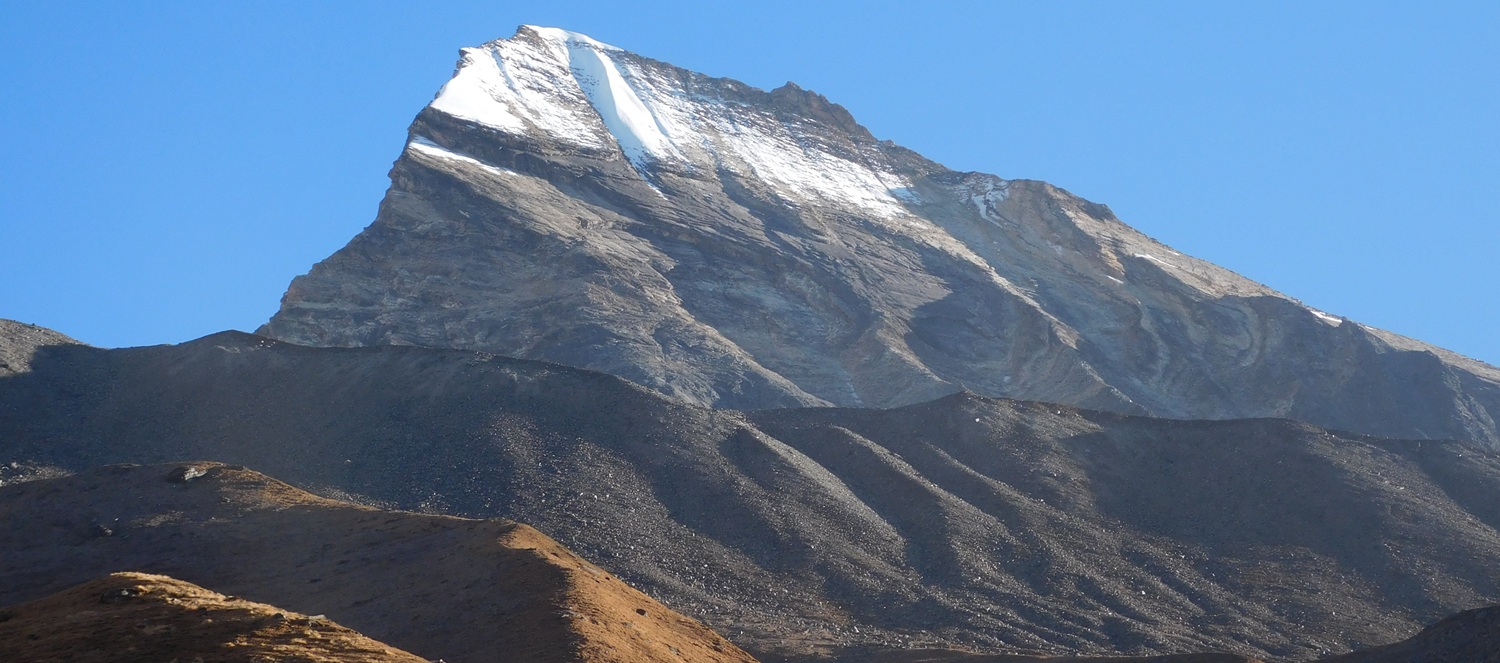
Tent Peak Climbing, also known as Tharpu Chuli Peak Climbing, is considered a challenging Himalayan
trekking peak adventure rather than a simple trekking experience. At approximately 5,663 meters (18,575 feet), the mountain requires good physical fitness, proper acclimatization, mental preparation, and basic mountaineering skills. The difficulty comes not only from the summit climb itself but also from the long approach trek, increasing altitude, steep terrain, changing weather, and potentially snow and ice conditions.
The final climbing stage is physically more demanding because the air becomes thinner at high altitude. Even relatively simple movements can require greater effort above 5,000 meters. Cardiovascular endurance, leg strength, core strength, and the ability to maintain a steady pace are therefore valuable for the climb.
For this reason, gradual acclimatization is an important part of the journey. A well-planned itinerary allows the body time to adapt to increasing elevation before attempting the summit. Climbers should never ignore serious altitude symptoms, and decisions about continuing higher should prioritize safety and current mountain conditions.
Previous experience with basic mountaineering techniques can therefore be beneficial. Climbers may need to understand techniques such as using crampons and an ice axe, moving safely on snow and ice, using fixed ropes, and following climbing commands. For travelers without extensive climbing experience, professional mountain guides and appropriate training can provide important support.
The difficulty of Tent Peak should therefore not be judged only by its elevation or technical classification. Actual climbing conditions can vary from season to season and even from one day to another. Flexibility within the itinerary can be important because summit attempts may need to be adjusted according to weather and route conditions.
A steady approach is generally more useful than rushing. Being prepared to turn around when conditions become unsafe is also an essential part of responsible Himalayan climbing.
Tent Peak can be an option for aspiring mountaineers with good fitness and appropriate preparation, but it should not be treated as an ordinary beginner's trek. Someone with no previous climbing experience may still undertake the adventure with suitable professional guidance and prior preparation, but learning basic mountaineering skills before the expedition is highly beneficial.
Previous experience with high-altitude trekking can also provide an advantage because it gives climbers a better understanding of walking at elevation, managing energy, coping with cold environments, and following acclimatization practices.
With appropriate physical preparation, gradual acclimatization, suitable equipment, experienced mountain leadership, and careful attention to weather and altitude conditions, climbers can approach Tent Peak responsibly and enjoy the spectacular surroundings of the Annapurna Sanctuary.
For adventure travelers planning Tent Peak Climbing in Nepal, Outward Adventure Treks & Expedition Pvt. Ltd. can provide a Himalayan climbing experience combining the Annapurna trekking journey with the challenge of reaching the summit of Tharpu Chuli.
What is the Tent Peak Climbing Success Rate?
There is no reliable, publicly available official statistic establishing a single overall success rate for Tent Peak (Tharpu Chuli) across all climbers and all seasons. Published figures from individual expedition operators vary considerably, so it would be misleading to present one percentage as the definitive success rate.
The actual chance of reaching the summit can vary substantially according to weather, snow and glacier conditions, acclimatization, physical preparation, route conditions, technical ability, and expedition management. Historical climbing reports also document attempts being abandoned because of heavy snowfall, avalanches, difficult route-finding, and crevasse conditions.
“Tent Peak has a potentially high summit success rate when climbers are properly acclimatized, physically prepared, and supported by experienced mountain guides; however, no universally verified success-rate percentage is available, and weather and mountain conditions can significantly affect summit attempts.”
The best seasons for Tent Peak Climbing in Nepal are generally spring (March to May) and autumn (September to November). These periods offer more favorable conditions for trekking toward the Annapurna Sanctuary and attempting the summit of Tent Peak, also known as Tharpu Chuli. Spring brings relatively stable mountain weather, improving visibility, and gradually warmer conditions, while autumn is known for clear skies, excellent mountain views, and generally stable trekking conditions after the summer monsoon.
Spring is one of the most popular seasons for Tent Peak Climbing. Temperatures gradually become more comfortable as winter ends, while the higher Himalayan areas retain their impressive snow-covered appearance. The trails through the Annapurna region become increasingly vibrant, with blooming vegetation and excellent mountain scenery.
March can still bring colder conditions at higher elevations, while April and May generally provide favorable opportunities for trekking and climbing. Clear mountain views during suitable weather windows can reveal spectacular panoramas of Annapurna South, Annapurna I, Hiunchuli, Machapuchare (Fishtail), and Gangapurna.
Autumn is another excellent season for Tent Peak Climbing, particularly after the summer monsoon has cleared the atmosphere. September can still experience occasional residual rainfall in some lower areas, while October and November generally provide excellent visibility and comfortable trekking conditions.
The clear atmosphere can create spectacular views throughout the Annapurna Sanctuary, making autumn especially attractive to photographers and mountain enthusiasts. Stable weather windows can also provide suitable opportunities for summit attempts, although conditions on Tent Peak can change rapidly at high altitude.
Winter (December to February) brings significantly colder temperatures and increased snow at higher elevations. Although experienced climbers may undertake winter climbing with appropriate preparation, extreme cold, snow conditions, and difficult mountain weather can make the adventure substantially more demanding.
The monsoon season (June to August) brings frequent rainfall to much of Nepal's lower and middle elevations. Wet and slippery trails, clouds, reduced visibility, and potential weather disruptions can make the approach to Tent Peak less favorable. Consequently, spring and autumn are generally preferred for a more predictable trekking and climbing experience.
Spectacular Annapurna Mountain Views
One of the biggest highlights of Tent Peak Climbing is the extraordinary Himalayan panorama. The journey takes place in the Annapurna Sanctuary, surrounded by towering peaks including Annapurna I, Annapurna South, Hiunchuli, Machapuchare, and Gangapurna. The dramatic mountain walls and glaciers create an unforgettable Himalayan environment.
Annapurna Sanctuary Adventure
Tent Peak is located within the famous Annapurna Sanctuary, allowing climbers to experience one of Nepal's most spectacular high-mountain landscapes. The approach journey passes through changing environments, from lush forests and traditional villages to alpine terrain and glacial landscapes.
Himalayan Peak-Climbing Experience
Tent Peak provides an opportunity to progress from trekking into Himalayan peak climbing. The summit section can involve snow, ice, steep terrain, ropes, crampons, and other mountaineering equipment depending on current conditions and the chosen route.
Rich Mountain Culture
The journey also offers cultural experiences along the Annapurna trails. Traditional villages, local communities, mountain architecture, and centuries-old Himalayan traditions add another dimension to the adventure beyond the climbing itself.
A Challenging 5,000-Meter-Plus Summit
At approximately 5,663 meters (18,575 feet), Tent Peak provides a genuine high-altitude climbing experience. Reaching the summit requires proper acclimatization, physical preparation, appropriate equipment, and careful consideration of weather and mountain conditions.
Sunrise and Himalayan Landscapes
The high-altitude environment provides remarkable opportunities to witness changing Himalayan light across the surrounding peaks. Sunrise and sunset over the Annapurna range can transform the snow-covered mountains into spectacular natural landscapes, creating some of the most memorable moments of the journey.
For Outward Adventure Treks & Expedition Pvt. Ltd., Tent Peak Climbing represents a combination of Annapurna trekking, Himalayan culture, high-altitude adventure, technical climbing, and spectacular mountain scenery, making it an exciting choice for travelers seeking a memorable peak-climbing experience in Nepal.
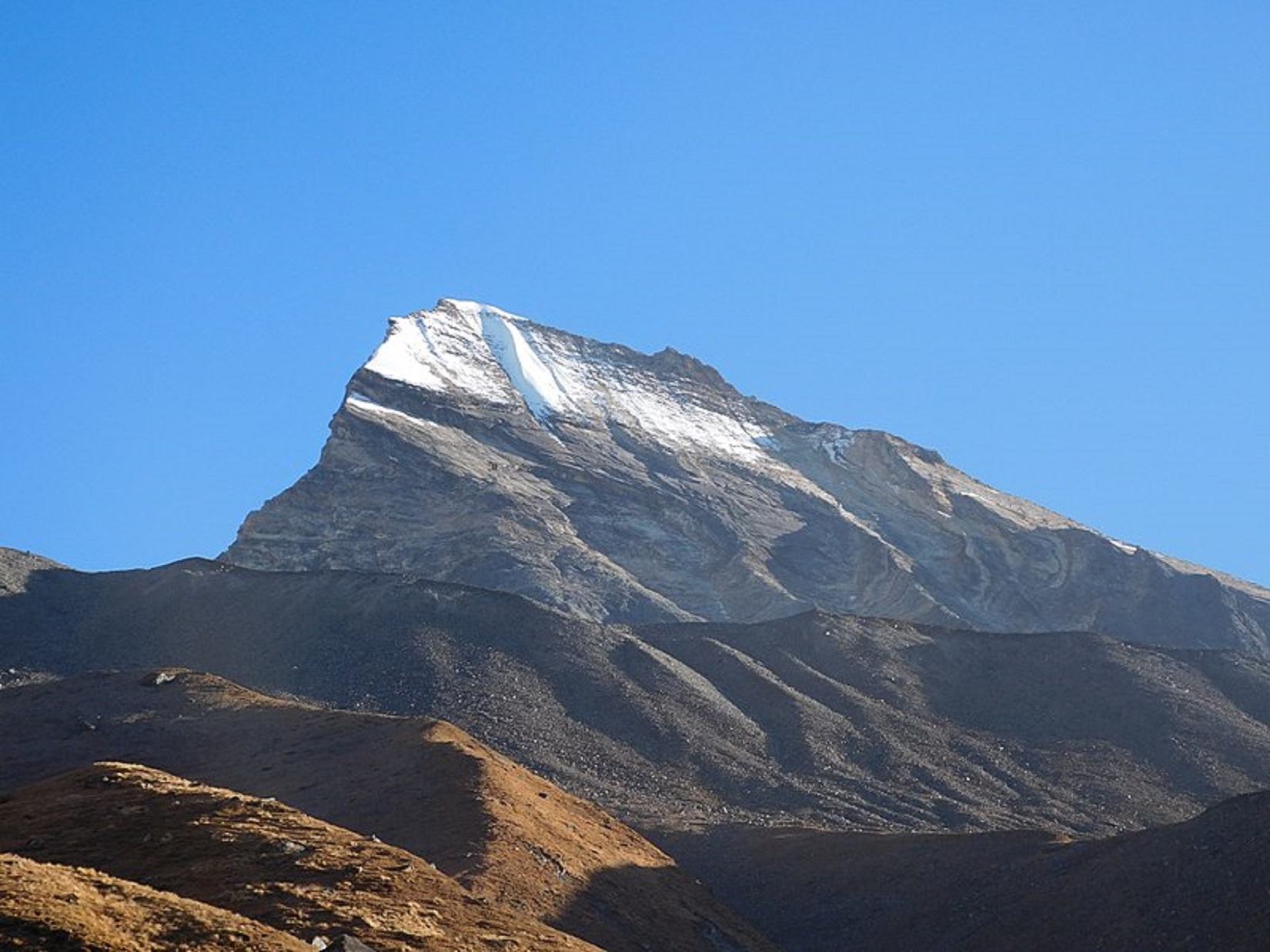
Tent Peak Climbing in Nepal is an unforgettable Himalayan adventure that brings together challenging peak climbing, spectacular mountain scenery, rich Himalayan culture, and the extraordinary landscapes of the Annapurna Sanctuary. Rising to approximately 5,663 meters (18,575 feet), Tent Peak, also known as Tharpu Chuli, offers adventure seekers an opportunity to experience the excitement of high-altitude mountaineering while exploring one of Nepal’s most beautiful trekking regions.
The combination of the scenic Annapurna approach, breathtaking views of Annapurna, Machapuchare, Hiunchuli, and Gangapurna, and the rewarding summit experience makes Tent Peak an appealing objective for trekkers and aspiring climbers. The climb requires good physical preparation, proper acclimatization, suitable equipment, and experienced mountain guidance, particularly because weather, altitude, snow, and route conditions can influence the difficulty of the summit attempt.
Choosing the right season can further enhance the experience. Spring and autumn generally provide the most favorable conditions for trekking and climbing, with better visibility and more suitable mountain weather. However, Himalayan conditions can change quickly, making flexibility and responsible decision-making essential throughout the expedition.
With its combination of adventure, natural beauty, cultural discovery, and Himalayan climbing, Tent Peak Climbing offers a remarkable journey beyond ordinary trekking. For travelers ready to explore the Annapurna Himalayas and take on a rewarding high-altitude challenge, Tent Peak provides an inspiring introduction to Nepal’s world of peak climbing.
Outward Adventure Treks & Expedition Pvt. Ltd. is committed to creating memorable Himalayan experiences, helping adventure travelers discover the remarkable beauty and adventurous spirit of Nepal through trekking, peak climbing, and expedition journeys.
 Sep 15, 2026
Mera Peak Climbing with Heli Shuttle Mera Peak Climbing with Heli Shuttle is an extraordinary Himalayan adventure that...
Read More Sep 12, 2026
Namche Bazaar: The Gateway to Everest Trekking and Sherpa Culture Namche Bazaar is one of the most famous mountain sett...
Read More Sep 10, 2026
Peak Climbing vs. Expedition in Nepal: Understanding the Difference Nepal is one of the world’s premier destinati...
Read More Sep 04, 2026
The Himlung Himal Expedition is an extraordinary high-altitude mountaineering adventure in Nepal, offering experienced c...
Read More
Leave a Comment