
Any Questions? Email Us
Talk to an Expert
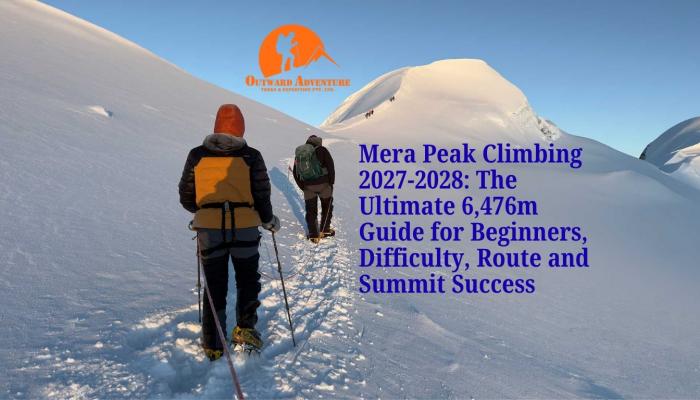
Mera Peak Climbing is one of Nepal’s most popular high-altitude peak climbing adventures, offering an exciting combination of Himalayan trekking, glacier travel, and mountaineering. Rising to 6,476 meters (21,247 feet), Mera Peak is the highest trekking peak in Nepal and is located in the remote and spectacular Khumbu region. Although it is considered a non-technical climbing peak compared with major Himalayan expeditions, reaching the summit requires good physical fitness, proper acclimatization, basic mountaineering skills, and experienced high-altitude support.
The journey to Mera Peak begins with an adventurous flight from Kathmandu to Lukla, followed by a trek through the beautiful Hinku Valley. Unlike the busy Everest Base Camp route, the Mera Peak trail is generally quieter and provides a more wilderness-oriented Himalayan experience. Trekkers pass through traditional Sherpa villages, dense rhododendron and pine forests, high mountain valleys, and rugged landscapes before reaching the high-altitude climbing zone.
One of the major attractions of Mera Peak Climbing is its spectacular Himalayan scenery. From the summit and higher sections of the route, climbers can enjoy panoramic views of some of the world’s most impressive mountains, including Mount Everest, Lhotse, Makalu, Cho Oyu, Kangchenjunga, Baruntse, and Chamlang. The combination of remote landscapes and extraordinary mountain views makes Mera Peak particularly attractive to trekkers who want to progress toward Himalayan mountaineering.
The standard Mera Peak itinerary usually takes around 16–20 days, depending on the chosen route, acclimatization schedule, weather conditions, and itinerary design. The trek commonly passes through places such as Paiya, Pangkongma, Ningsow, Chhatra Khola, Kothe, Thangnak, and Khare. Khare serves as an important preparation and acclimatization point before climbers move toward Mera High Camp and the summit.
Acclimatization is one of the most important aspects of a successful Mera Peak expedition. Because the summit is above 6,400 meters, the body needs sufficient time to adapt to decreasing oxygen levels. A well-designed itinerary normally includes acclimatization and rest days rather than attempting to gain altitude too quickly. Staying hydrated, maintaining a steady walking pace, eating adequately, and following the guidance of experienced guides are essential at high altitude.
The climbing section begins after reaching the Mera Peak Base Camp area. Climbers receive or review basic mountaineering instruction before attempting the summit. Depending on conditions and the route, equipment such as crampons, climbing harnesses, ropes, ice axe, helmet, and appropriate high-altitude clothing may be required. Climbers should be comfortable walking on snow and ice and should understand basic techniques for using mountaineering equipment. Although Mera Peak is often described as technically straightforward, the altitude, cold temperatures, glacier conditions, steep sections, and unpredictable Himalayan weather make it a serious mountain climb.
The summit attempt usually begins very early, often during the night, to take advantage of stable morning conditions and maximize the possibility of reaching the summit before weather conditions deteriorate. The climb can be physically demanding, particularly during the final ascent. At this altitude, even simple movements require significant effort because of reduced oxygen availability. Reaching the summit is therefore a major achievement and requires determination, preparation, and teamwork.
The best seasons for Mera Peak Climbing are generally spring (March to May) and autumn (September to November). These periods typically provide better visibility and more favorable trekking and climbing conditions. Winter can bring extreme cold and heavy snowfall, while the summer monsoon can create wet trails, cloud cover, and more challenging travel conditions.
Preparation should begin well before arriving in Nepal. Cardiovascular training, strength exercises, hiking with a loaded backpack, and regular endurance activities can help prepare the body for long days at altitude. Previous trekking experience is beneficial, although climbers do not necessarily need extensive technical mountaineering experience if they receive proper training and professional guidance.
Choosing an experienced trekking and climbing operator is equally important. A responsible operator should provide qualified climbing guides, appropriate acclimatization schedules, safety procedures, suitable equipment, emergency planning, and reliable logistical support. Weather monitoring and careful decision-making should always take priority over reaching the summit.
Overall, Mera Peak Climbing is an excellent introduction to Himalayan peak climbing for adventure seekers who want to experience a 6,000-meter summit without committing to a highly technical expedition. It combines remote trekking, Sherpa culture, dramatic Himalayan scenery, glacier experiences, and the satisfaction of standing above 6,400 meters. With proper physical preparation, acclimatization, professional guidance, and respect for the mountain environment, Mera Peak can become a memorable stepping stone toward more challenging Himalayan climbing objectives.
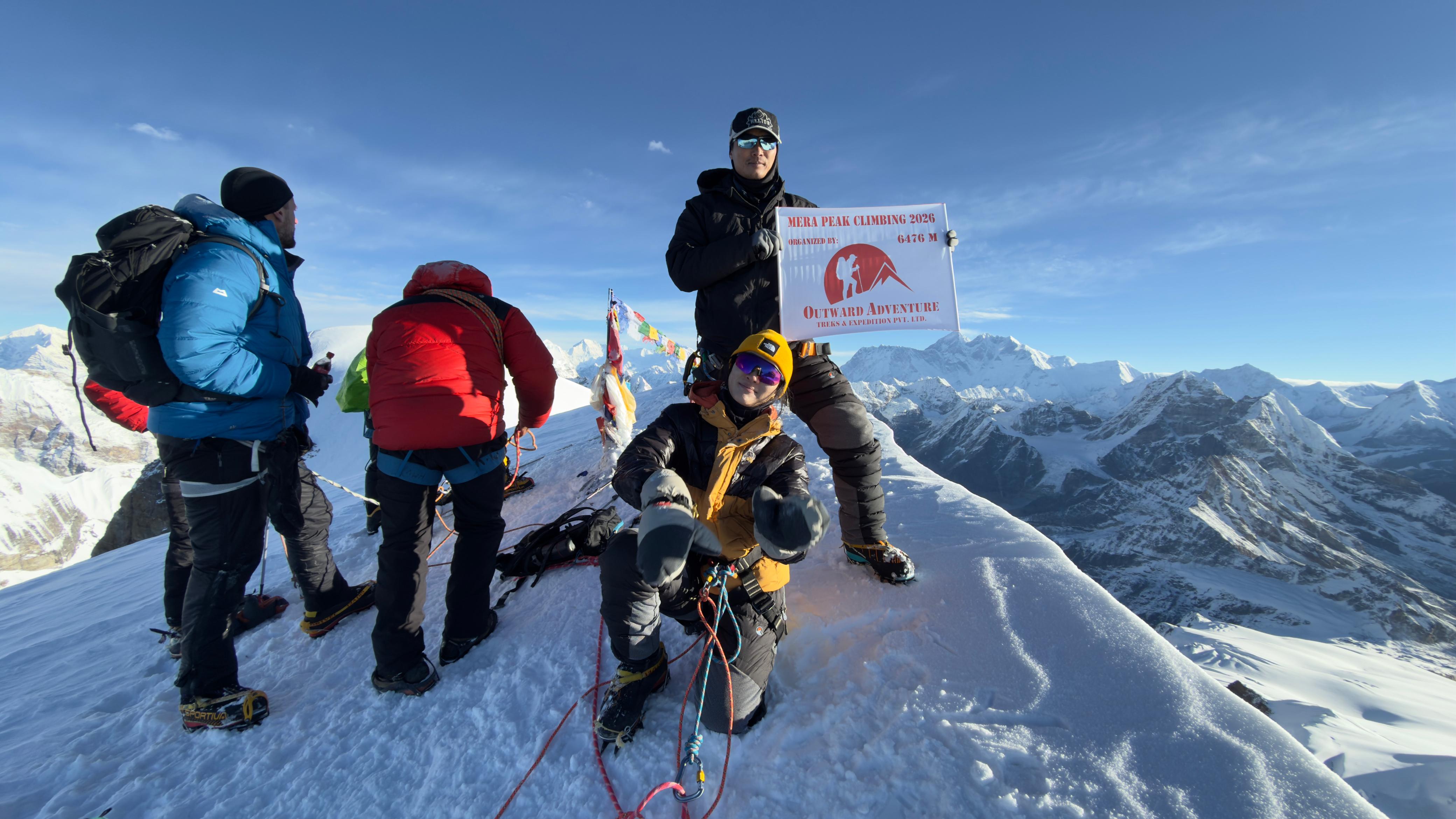
Mera Peak Climbing is generally considered a moderately difficult to challenging Himalayan peak-climbing adventure. At 6,476 meters (21,247 feet), Mera Peak is not an extremely technical mountain by Himalayan standards, but its high altitude, long summit day, cold weather, steep terrain, glacier conditions, and remote location make it considerably more demanding than a normal high-altitude trek.
The difficulty of Mera Peak is often misunderstood because it is classified as a trekking peak. “Trekking peak” does not mean the mountain is easy or risk-free. Climbers still need physical endurance, mental preparation, acclimatization, appropriate equipment, and basic mountaineering skills to reach the summit safely.
1. High Altitude Is the Biggest Challenge
The most significant difficulty on Mera Peak is altitude. The summit stands at 6,476 meters, where the amount of available oxygen is substantially lower than at sea level. As altitude increases, climbers may experience headaches, fatigue, shortness of breath, reduced appetite, difficulty sleeping, nausea, or symptoms of altitude sickness. Even physically strong trekkers can struggle at high altitude because acclimatization varies from person to person. This is why a properly designed itinerary with gradual altitude gain and sufficient acclimatization is essential. The final section above High Camp is particularly demanding because climbers are operating in an extremely high-altitude environment. The objective should never be to rush upward simply to reach the summit.
The summit attempt is usually the hardest day of the entire expedition. Climbers typically start very early, sometimes around midnight or in the early morning, depending on weather and route conditions. A Mera Peak summit day can involve many hours of continuous movement over snow, ice, rocky terrain, and steep sections. The combination of darkness, freezing temperatures, limited oxygen, and accumulated fatigue makes the climb mentally and physically challenging. The descent can also be exhausting. After reaching the summit, climbers still need enough energy and concentration to descend safely.
3. Glacier and Snow Conditions
Mera Peak involves crossing high-altitude snow and glaciated terrain. Depending on the season and current mountain conditions, climbers may encounter hard snow, ice, crevasses, or changing surface conditions. This is where basic mountaineering training becomes important. Climbers may need to use crampons, harnesses, ropes, helmets, and ice axes. Professional guides normally provide instruction and demonstrate how to use the equipment correctly before the summit attempt. The technical difficulty can vary according to weather and glacier conditions. A route that appears straightforward under favorable conditions can become considerably more challenging after snowfall, strong winds, or changes in the glacier.
4. Steep Sections Require Good Endurance
Mera Peak is not generally regarded as a highly technical climbing peak, but the route still contains steep sections that require controlled movement and stamina. At lower elevations, walking may feel relatively comfortable. As the trail climbs toward the high camp and summit, every step becomes more demanding. Climbers need to maintain a slow and consistent pace rather than attempting to walk at normal trekking speed. Efficient pacing is one of the most important skills for high-altitude climbing. A steady climber who conserves energy can often perform better than someone who starts too quickly and becomes exhausted.
5. Cold and Extreme Weather
Temperature is another major factor in Mera Peak difficulty. Summit attempts commonly take place during the coldest part of the day, when temperatures can fall well below freezing. Strong winds can make conditions feel even colder. Poor weather can also reduce visibility and make navigation and climbing more difficult. Proper layering is therefore essential. Climbers need suitable base layers, insulation, waterproof or windproof outer layers, gloves, warm socks, trekking boots, and appropriate head and face protection. Equipment requirements should be based on the season and current mountain conditions.
6. Long and Remote Approach Trek
Mera Peak is not simply a climb from a nearby road or settlement. Reaching the climbing area requires several days of trekking through the remote Hinku Valley. The approach trek itself contributes significantly to the overall difficulty. Climbers spend long days walking through forests, river valleys, suspension bridges, steep trails, and high-altitude landscapes. The gradual approach is actually beneficial because it allows the body to adapt progressively to increasing altitude while building endurance before the climbing phase.
7. Acclimatization Is Essential
A successful Mera Peak itinerary should prioritize acclimatization rather than simply minimizing the number of days. Proper acclimatization allows the body to adapt to lower oxygen levels. Rest days, gradual elevation gain, hydration, nutrition, and sensible pacing can all help. Climbers should also understand the warning signs of altitude sickness. Severe or worsening symptoms should never be ignored. In the Himalayas, descending to a lower altitude can be an important part of emergency management when altitude-related illness becomes serious.
8. Mental Strength Matters
Mera Peak is physically demanding, but mental endurance is equally important. During the summit attempt, climbers may feel exhausted, cold, sleepy, or discouraged. The summit can appear deceptively close while still requiring several hours of effort. Maintaining concentration, following the guide's instructions, managing fear, and continuing at a sustainable pace are important parts of the challenge.
9. Previous Experience Helps—but Is Not Always Essential
Previous high-altitude trekking experience is a significant advantage, but extensive technical mountaineering experience is not necessarily required for Mera Peak when the climb is organized and guided appropriately. First-time peak climbers should ideally undertake some high-altitude trekking beforehand and learn basic techniques such as walking with crampons, using an ice axe, moving safely on snow, and understanding rope procedures.
Physical preparation should include cardiovascular endurance, leg and core strength, uphill hiking, and long-distance walking with a backpack.
10. How Mera Peak Compares With Other Himalayan Peaks
Mera Peak is often considered an excellent stepping stone between high-altitude trekking and more advanced mountaineering. It is generally more demanding than popular trekking routes such as Everest Base Camp because it involves a summit above 6,400 meters and requires climbing equipment and mountaineering skills. At the same time, it is generally less technically demanding than many major Himalayan expedition peaks. The primary challenge is often altitude and endurance rather than highly technical rock or ice climbing.
However, this does not mean Mera Peak should be underestimated. Mountain conditions can change rapidly, and the difficulty experienced by each climber depends on fitness, acclimatization, weather, route conditions, and previous experience.
Overall, Mera Peak Climbing is moderately to highly challenging, with altitude, endurance, weather, and the long summit day being the biggest difficulties. Its technical climbing requirements are generally manageable with proper training and professional guidance, but the 6,476-meter altitude makes the expedition a serious Himalayan undertaking.
The key to success is not simply physical strength. Good acclimatization, preparation, pacing, appropriate equipment, experienced guides, favorable weather, and sound decision-making are equally important. For adventure seekers preparing for more ambitious Himalayan objectives, Mera Peak offers an excellent opportunity to experience high-altitude mountaineering while developing the skills and confidence required for future climbs.
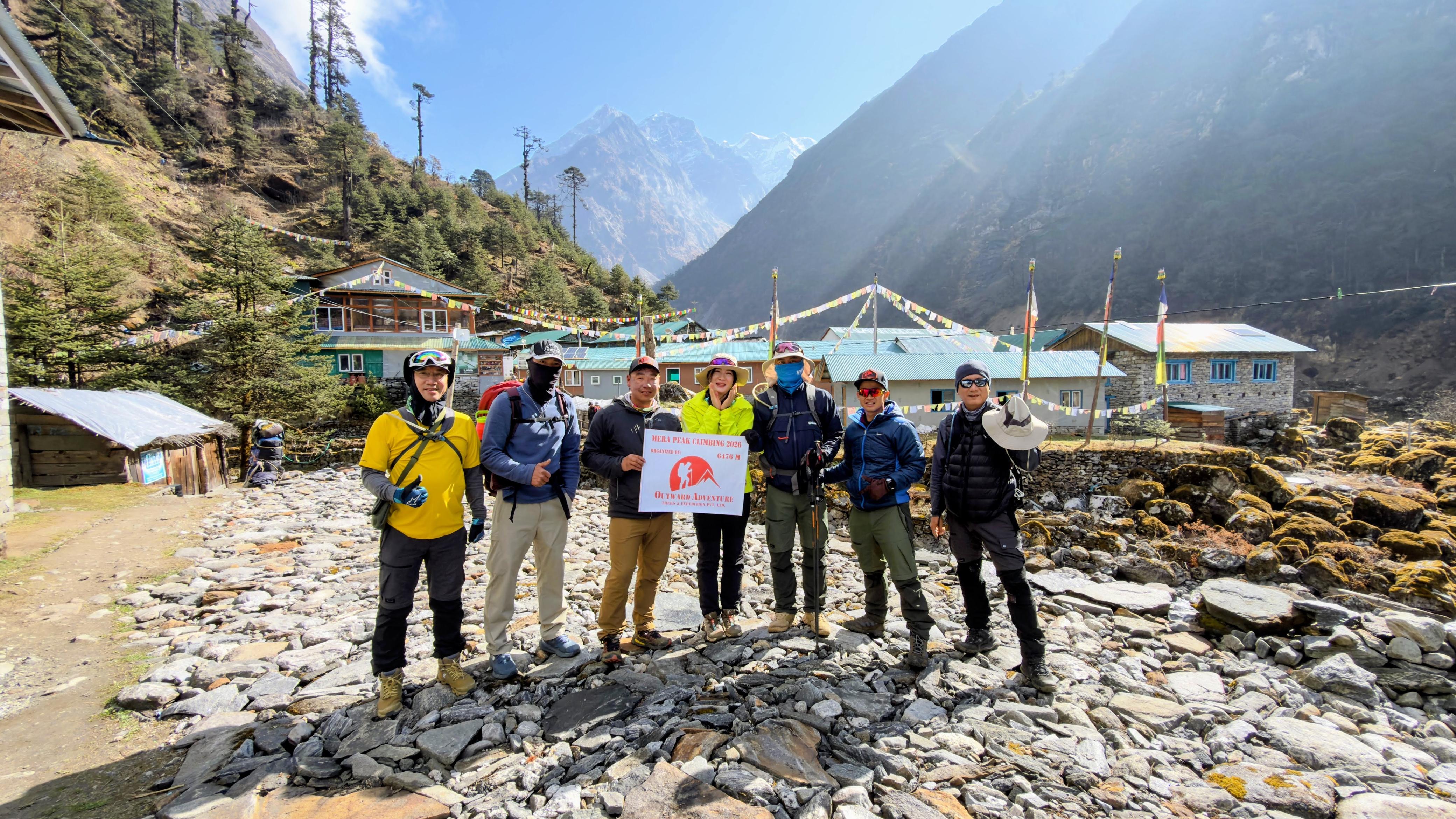
Yes, beginners can climb Mera Peak, but it is important to understand what “beginner” means in this context. Mera Peak, at 6,476 meters (21,247 feet), is often regarded as one of Nepal’s more accessible 6,000-meter climbing peaks because it generally does not require advanced technical climbing skills under normal conditions. However, it is not a beginner-level trek. The high altitude, demanding approach trek, cold temperatures, snow and glacier terrain, and long summit day make it a serious mountaineering adventure.
For a first-time peak climber who is physically fit, properly prepared, and accompanied by an experienced climbing team, Mera Peak can be an excellent introduction to Himalayan mountaineering.
One of the main reasons Mera Peak attracts first-time climbers is that its technical difficulty is relatively manageable compared with many higher Himalayan mountains. Climbers generally do not need advanced rock-climbing or complex technical mountaineering experience.
With professional instruction, beginners can learn essential skills such as:
The climbing team normally provides practical guidance before the summit attempt. This makes Mera Peak a useful mountain for developing basic high-altitude climbing experience.
Physical Fitness Is More Important Than Previous Climbing Experience
A beginner does not necessarily need years of mountaineering experience, but they do need a strong level of physical fitness.
The approach to Mera Peak involves several days of trekking through the remote Hinku Valley. Climbers may spend many hours walking each day over uneven terrain, steep ascents, descents, rocky trails, forests, and high-altitude paths. The summit day is significantly more demanding. Climbers may spend many hours moving through snow and ice, often starting during the night. At more than 6,000 meters, the reduced oxygen level makes even moderate physical activity feel considerably harder.
Therefore, someone who is new to mountaineering but regularly hikes, runs, cycles, climbs stairs, or participates in endurance sports may be better prepared than an experienced climber who lacks fitness.
Altitude Is the Biggest Concern for Beginners
The biggest challenge for first-time climbers is usually not technical climbing—it is altitude.
At 6,476 meters, Mera Peak is high enough for altitude-related problems to become a serious concern. The body receives less oxygen as altitude increases, and people respond differently to this environment. Possible symptoms of altitude sickness can include:
A beginner should never assume that good physical fitness guarantees immunity from altitude sickness. Even highly trained athletes can experience altitude-related problems.
That is why a gradual itinerary, adequate acclimatization, hydration, nutrition, rest, and careful monitoring are essential.
A Proper Itinerary Makes a Major Difference
Beginners should avoid choosing an itinerary simply because it is shorter or cheaper. A well-designed Mera Peak itinerary should provide enough time for the body to adapt to increasing altitude. The route normally includes gradual elevation gain, acclimatization opportunities, and appropriate rest before the summit attempt.
Trying to reach the summit too quickly can increase fatigue and altitude-related risks.
For first-time climbers, slow and steady is generally better than fast and ambitious.
Yes. Even though Mera Peak is considered relatively accessible technically, beginners should receive basic mountaineering training.
Before attempting the summit, climbers should understand how to:
These skills do not necessarily require months of technical climbing experience. They can be learned through proper pre-climb instruction and practical training during the expedition.
However, beginners should not rely solely on online videos or personal confidence. Mountain conditions are unpredictable, and professional instruction is valuable.
Mental Preparation Is Equally Important
Mera Peak can test mental strength as much as physical endurance.
The summit attempt may begin before sunrise in freezing temperatures. Climbers can experience tiredness, darkness, strong winds, steep terrain, and reduced oxygen. The summit may appear close but still require several hours of effort.
Beginners need patience and the ability to maintain a controlled pace.
There may also be moments when turning around becomes the safest decision. A successful mountaineer understands that summit success is important, but returning safely is more important.
What Type of Beginner Is Best Suited for Mera Peak?
A suitable first-time Mera Peak climber should ideally:
Previous high-altitude trekking experience is a significant advantage, but it is not necessarily mandatory for every well-prepared beginner.
It is highly beneficial.
A previous high-altitude trek can help beginners understand how their bodies respond to altitude, long trekking days, cold weather, and reduced oxygen.
Experience on routes such as Everest Base Camp or other high-altitude Himalayan treks can provide useful preparation. However, completing a high-altitude trek does not automatically guarantee success on Mera Peak because the summit involves a substantially higher elevation and more demanding climbing conditions.
What Equipment Will Beginners Need?
Beginners need appropriate trekking and mountaineering equipment. Depending on the season, route, and climbing conditions, essential equipment can include:
A reputable climbing operator should provide guidance on what equipment is included, what can be rented, and what climbers need to bring themselves.
Mera Peak and Mount Everest are not directly comparable.
Mera Peak is much lower and generally has significantly less technical climbing difficulty than an Everest expedition. However, Mera Peak is still a 6,476-meter mountain, and its altitude should never be underestimated.
For someone considering future high-altitude mountaineering, Mera Peak can serve as valuable experience in handling altitude, glacier travel, climbing equipment, expedition routines, and long summit days.
Yes—an appropriately prepared beginner can climb Mera Peak. The mountain is relatively accessible from a technical perspective, making it an attractive choice for people seeking their first Himalayan peak-climbing experience.
But beginners should not confuse “less technical” with “easy.” The 6,476-meter altitude, demanding approach trek, cold weather, glacier terrain, physical endurance requirements, and long summit day make Mera Peak a serious challenge.
Good Fitness + Proper Acclimatization + Basic Mountaineering Training + Experienced Guides + Suitable Equipment + Safe Decision-Making = Better Chance of a Successful Mera Peak Climb.
With realistic expectations and proper preparation, Mera Peak can be an unforgettable first step into Himalayan mountaineering.
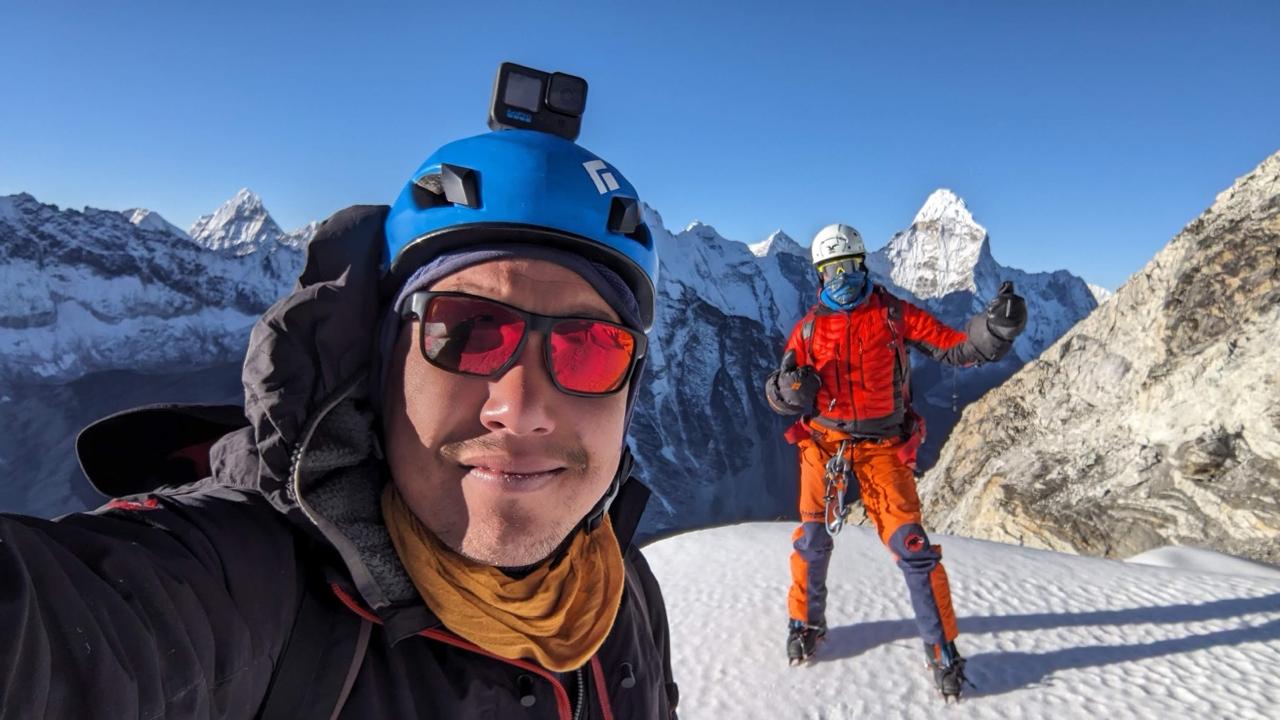
Mera Peak Climbing is an exciting Himalayan adventure, but reaching the 6,476-meter (21,247-foot) summit requires serious attention to safety, altitude, and acclimatization. Although Mera Peak is often considered one of Nepal’s more accessible 6,000-meter climbing peaks, its elevation places climbers in an environment where low oxygen, extreme cold, changing weather, and physical exhaustion can become significant challenges.
A successful Mera Peak expedition is therefore not simply about reaching the summit. It is about ascending responsibly, recognizing altitude-related symptoms, maintaining good health, using appropriate equipment, and knowing when to stop or descend.
Altitude is one of the biggest safety concerns on Mera Peak. As elevation increases, atmospheric pressure decreases and less oxygen is available with each breath. Altitude illness can occur in otherwise healthy and physically fit people, particularly when they ascend too quickly. The CDC identifies elevations above approximately 2,500 meters as an environment where altitude illness can become a concern. (CDC)
The risk becomes increasingly important as climbers move toward Mera High Camp and the summit. At more than 6,400 meters, the body is operating under significant physiological stress, and fatigue can develop quickly.
Physical fitness helps with endurance, but it does not guarantee protection against altitude sickness. Individual response to altitude varies considerably.
2. What Is Acclimatization?
Acclimatization is the body's process of adapting to reduced oxygen availability at higher elevations.
For Mera Peak, acclimatization should be built into the itinerary rather than treated as an optional extra. The goal is to gain altitude progressively and give the body enough time to adjust before moving higher.
A properly designed itinerary generally includes:
The CDC recommends gradual ascent and avoiding unnecessarily rapid increases in sleeping altitude. (CDC)
3. Common Symptoms of Altitude Sickness
The most common form of altitude illness is acute mountain sickness (AMS). Symptoms can include headache, tiredness, loss of appetite, nausea, vomiting, dizziness, and sleep problems. (CDC)
A climber should not simply assume these symptoms are caused by tiredness or a long trekking day.
If symptoms are mild, the climber should rest and avoid ascending further until they improve. Never continue climbing higher when altitude-related symptoms are getting worse.
More serious conditions include high-altitude cerebral edema (HACE) and high-altitude pulmonary edema (HAPE). Confusion, severe loss of coordination, extreme weakness, severe breathlessness, or a worsening cough can indicate a medical emergency. Immediate descent is essential in serious altitude illness. (CDC)
3. The Importance of a Slow and Steady Pace
One of the simplest ways to improve safety on Mera Peak is to walk slowly.
At high altitude, maintaining a comfortable and consistent pace is much more effective than trying to walk quickly and then taking frequent long breaks. Climbers should follow the guide's pace and communicate if they feel unusually tired, dizzy, breathless, or unwell.
The objective during the approach trek is not to arrive at camp first. The objective is to arrive healthy enough to continue the expedition.
4. Hydration and Nutrition
Proper hydration and nutrition are important throughout the expedition. Climbers lose fluids through breathing, sweating, and physical exertion, while cold and altitude can sometimes reduce the sensation of thirst.
Drink regularly and eat sufficient meals even when appetite decreases.
Carbohydrate-rich foods can provide useful energy during long trekking and climbing days. Warm drinks and soups can also be helpful in cold conditions.
However, excessive water consumption is not beneficial either. Hydration should be balanced and based on individual needs and conditions.
5. Recognizing When to Descend
One of the most important Mera Peak safety principles is understanding that descent is not failure.
If a climber develops serious or worsening altitude symptoms, continuing toward the summit can be dangerous. In severe altitude illness, moving to a lower elevation is a critical intervention. (CDC)
Experienced guides should continuously monitor the group and make conservative decisions when necessary.
A summit is optional. Returning safely is mandatory.
6. Weather and Cold-Weather Safety
Mera Peak conditions can change quickly. High winds, snowfall, cloud, poor visibility, and extreme cold can make an otherwise manageable route significantly more difficult.
Climbers should carry appropriate layers and protect their head, hands, feet, and face from cold exposure. The CDC also recommends paying particular attention to cold temperatures at high elevation and dressing appropriately with adequate protection for the extremities. (CDC)
Weather forecasts should be monitored throughout the expedition, particularly before the summit attempt.
A professional climbing team should be prepared to postpone the summit attempt when conditions become unsafe.
7. Glacier and Climbing Safety
The upper sections of Mera Peak can involve snow and glaciated terrain. Depending on current conditions, climbers may need equipment such as:
Beginners should receive practical instruction in the use of climbing equipment before attempting the summit.
Climbers should never independently improvise technical procedures on snow or glacier terrain. Following the instructions of qualified climbing guides is essential.
8. Mera Peak Summit-Day Safety
The summit attempt is normally the most demanding part of the expedition. Climbers may begin during the night or very early morning to take advantage of favorable conditions.
At this stage, the combination of darkness, freezing temperatures, high altitude, steep terrain, and accumulated fatigue increases the importance of careful movement.
A good summit strategy includes maintaining a controlled pace, staying with the climbing team, monitoring physical condition, protecting against cold, and turning around when conditions become unsafe.
For Mera Peak, both are important—but they serve different purposes.
Fitness helps you handle the physical workload. Acclimatization helps your body cope with reduced oxygen.
Someone can be extremely fit but still develop altitude illness if they ascend too quickly. Conversely, excellent acclimatization cannot compensate for inadequate physical preparation for long trekking and climbing days.
The strongest approach is therefore:
Fitness + Gradual Ascent + Acclimatization + Hydration + Nutrition + Proper Equipment + Experienced Guides.
Medication such as acetazolamide may be used in some situations to help prevent or treat altitude illness, but it should not replace proper acclimatization. The appropriate medication and dosage depend on individual circumstances, medical history, contraindications, and the ascent plan.
Anyone considering altitude medication should discuss it with a qualified healthcare professional before the expedition. The CDC notes that medications can help prevent altitude illness and recommends discussing the appropriate option with a doctor. (CDC)
Mera Peak safety begins with respecting the altitude. At 6,476 meters, the mountain should never be treated as an ordinary trekking destination. The combination of low oxygen, cold temperatures, demanding terrain, glacier conditions, and unpredictable weather requires careful preparation.
The safest approach is to follow a well-planned acclimatization schedule, ascend gradually, stay hydrated and nourished, monitor symptoms honestly, use appropriate mountaineering equipment, and rely on experienced guides.
Most importantly, climbers should remember that there is no shame in turning around. Mountain safety should always take priority over summit ambition. With proper acclimatization, responsible decision-making, physical preparation, and professional support, Mera Peak can provide a challenging yet rewarding introduction to high-altitude Himalayan mountaineering.
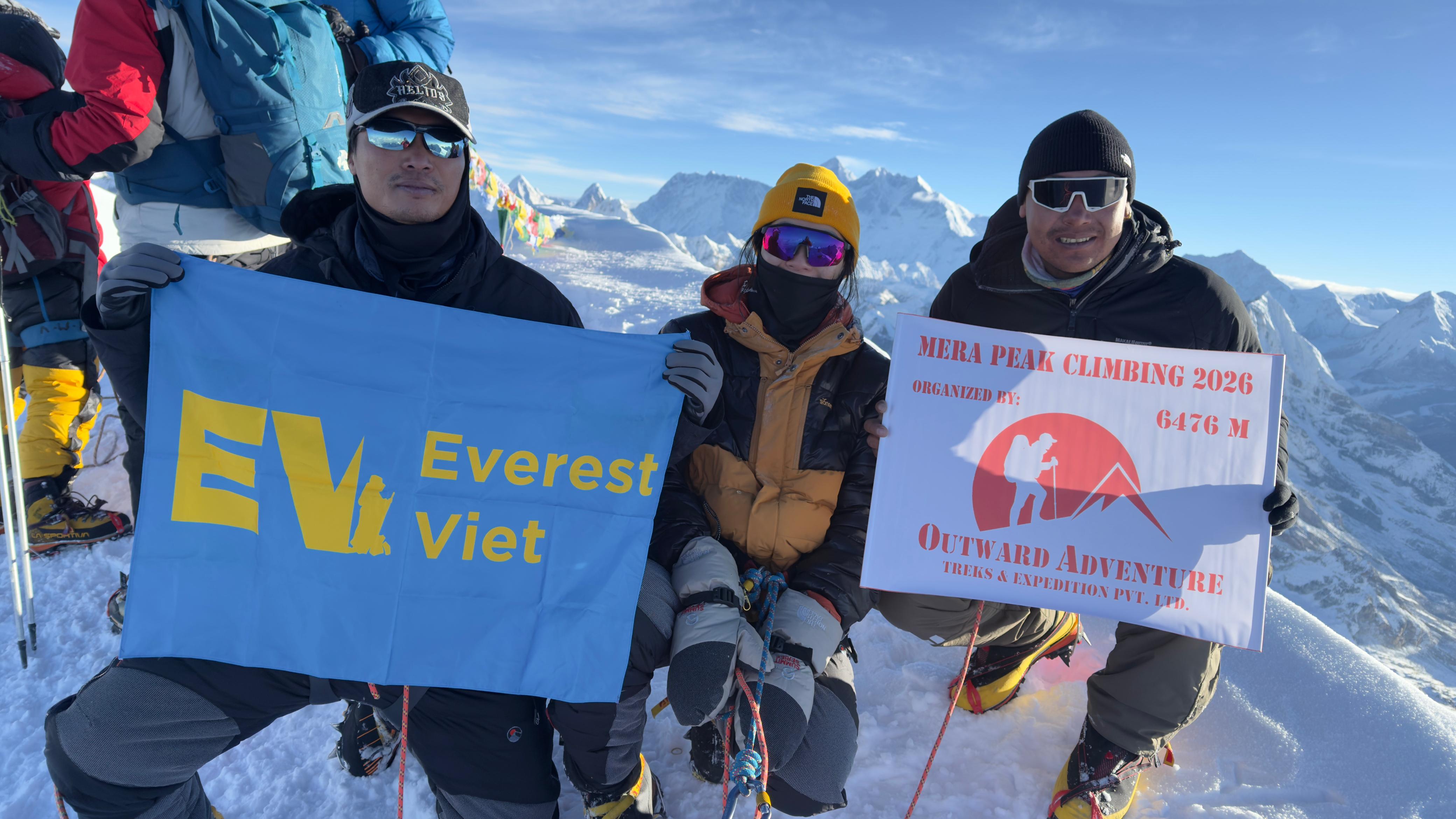
Choosing the right trekking and expedition company can make a significant difference when climbing a 6,476-meter Himalayan peak. Mera Peak is physically demanding despite being considered relatively straightforward technically, so climbers need reliable logistics, experienced mountain guides, proper acclimatization, and strong safety support. Outward Adventure Treks & Expedition combines local Himalayan knowledge, experienced climbing leaders, personalized service, and expedition-focused support for climbers aiming to stand on the summit of Mera Peak. (outwardadventuretreks.com)
1. Experienced Himalayan Mountain Leaders
One of the strongest reasons to choose Outward Adventure Treks is its experienced mountain leadership. The company's team includes guides with extensive experience on Mera Peak and other major Himalayan mountains.
For example, climbing leader Kipa Sherpa has climbed Everest five times, Lhotse twice, and Ama Dablam seven times, while the company also lists Lhakpa Nuru Sherpa, who has climbed Everest 22 times and numerous 7,000-meter peaks. The team also includes guides experienced specifically on Mera Peak and other trekking peaks.
This experience is valuable because Mera Peak requires more than simply following a trail. Guides need to understand changing mountain conditions, altitude, weather, snow conditions, pacing, and summit-day decision-making.
2. Strong Focus on Safety and Acclimatization
Altitude management is one of the most important parts of a Mera Peak expedition. Outward Adventure Treks incorporates acclimatization into its Mera Peak itinerary, including time at Khare for acclimatization and climbing preparation before moving toward high camp. (outwardadventuretreks.com)
The company also states that its expedition planning includes emergency preparedness, first-aid support, satellite communication, and evacuation planning. For climbers, this means the expedition is designed around more than reaching the summit—it also considers how to manage the risks associated with high-altitude climbing.
3. Basic Mountaineering Training Before the Summit
First-time peak climbers do not necessarily need extensive previous mountaineering experience for Mera Peak, but they do need to understand essential climbing techniques.
Outward's Mera Peak programs include preparation and climbing practice, including skills related to glacier travel, climbing equipment, ascending, and descending. This is particularly useful for beginners who need confidence using equipment such as crampons, harnesses, ropes, and ice axes before the summit attempt.
4. Carefully Planned Mera Peak Itineraries
A successful Mera Peak expedition requires more than a simple trekking itinerary. The company offers structured itineraries that allow climbers to progress through the Hinku Valley, reach Khare, acclimatize, move to high camp, attempt the summit, and descend safely. Its published standard itinerary includes an acclimatization and ice-climbing practice day at Khare and a contingency day for bad weather.
Having a contingency day is particularly valuable because Himalayan weather can change quickly and summit attempts sometimes need to be postponed.
5. Local Knowledge of the Hinku Valley and Mera Region
The Mera Peak route travels through the remote Hinku Valley, away from some of the busiest trekking trails in the Everest region. Outward Adventure Treks highlights the peaceful and less-traveled character of the Mera route, along with its traditional mountain communities and dramatic Himalayan landscapes.
Local knowledge helps guides manage the practical realities of the route, including accommodation, trail conditions, weather patterns, altitude progression, and communication with local communities.
6. Support From Trekking to the Summit
Outward Adventure Treks handles the expedition as a complete journey rather than treating the summit climb as an isolated activity. Its services cover trekking logistics, guides, porters, accommodation, transportation, permits, and climbing support depending on the selected package. This integrated approach allows climbers to concentrate more on preparation, acclimatization, and the mountain experience rather than managing every logistical detail themselves.
7. Suitable for First-Time Peak Climbers
Mera Peak is often selected by climbers who are making their first serious transition from trekking to mountaineering. Outward Adventure Treks describes Mera Peak as physically demanding but technically straightforward, making it suitable for fit beginners who want to gain high-altitude climbing experience.
The company can therefore be a good option for climbers who have strong trekking fitness but limited previous technical climbing experience and want professional guidance while learning fundamental mountaineering skills.
8. Emergency and Rescue Assistance
High-altitude climbing always involves unpredictable risks. Outward Adventure Treks states that its Mera Peak programs include assistance with rescue arrangements in complicated health situations, with rescue costs handled through appropriate travel insurance where applicable.
Climbers should still carry comprehensive travel insurance that specifically covers high-altitude trekking and peak climbing, including emergency evacuation where required.
9. Personalized and Professional Service
Outward Adventure Treks emphasizes personalized service and professional support throughout its Himalayan adventures. The company describes itself as a locally operated Nepal adventure specialist with experience in trekking, peak climbing, and mountain expeditions. For Mera Peak, personalized attention can be especially important because climbers have different levels of fitness, altitude experience, and mountaineering skills.
10. More Than Just a Summit
Mera Peak is not only about reaching 6,476 meters. The expedition also offers a journey through remote Himalayan landscapes, Sherpa communities, alpine valleys, glaciers, and spectacular mountain scenery. From the summit, climbers can experience panoramic views toward several major Himalayan peaks, including Everest, Lhotse, Makalu, Cho Oyu, and Kanchenjunga.
Outward Adventure Treks aims to combine the climbing challenge with cultural and natural experiences, creating a more complete Himalayan adventure rather than simply a summit-focused trip.
For climbers considering Mera Peak, the biggest advantages of choosing Outward Adventure Treks & Expedition are its experienced Himalayan guides, Mera Peak expertise, structured acclimatization, climbing preparation, safety planning, local knowledge, logistical support, and personalized service.
Mera Peak may be technically approachable, but its 6,476-meter altitude should never be underestimated. Working with an experienced local expedition team can help climbers prepare properly, manage altitude, learn essential climbing techniques, and make informed decisions throughout the journey.
Ultimately, choosing Outward Adventure Treks means choosing a team that combines local Himalayan experience with professional expedition support—helping turn the ambition of reaching Mera Peak's summit into a carefully planned and memorable Himalayan adventure.
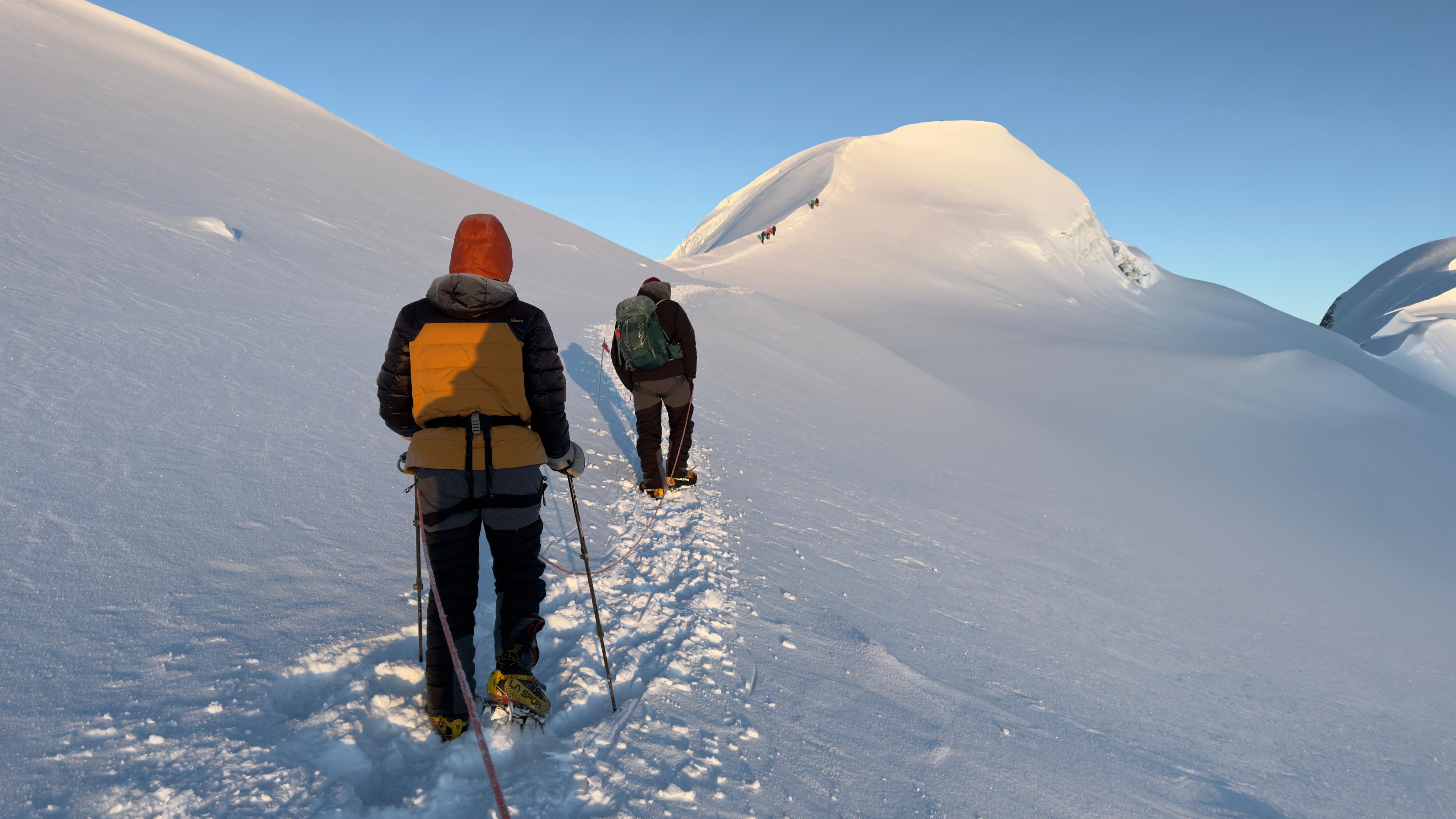
Mera Peak Climbing is one of Nepal’s most popular high-altitude peak adventures. Standing at 6,476 meters (21,247 feet), Mera Peak combines remote Himalayan trekking, glacier travel, basic mountaineering, and a spectacular summit experience. Nepal Tourism Board classifies Mera among the trekking peaks for which climbing skills and equipment are still required, so it should not be treated as an ordinary trek. (Nepal Tourism Board)
Below are the most important Mera Peak Climbing 2027/2028 FAQs for first-time and experienced climbers.
1. How high is Mera Peak?
Mera Peak stands at 6,476 meters (21,247 feet) above sea level. It is one of Nepal’s highest permitted trekking peaks and is located in the Everest region.
2. Is Mera Peak suitable for beginners?
Yes, but beginners should be physically fit and properly prepared. Mera Peak is relatively straightforward from a technical perspective compared with many Himalayan expedition peaks, but its altitude, cold conditions, glacier terrain, and long summit day make it a serious climb.
Previous high-altitude trekking experience is an advantage, especially for first-time peak climbers.
3. How difficult is Mera Peak Climbing?
Mera Peak is generally considered moderately to highly challenging. The main difficulties are altitude, endurance, weather, cold, steep snow sections, and the long summit day rather than highly technical rock climbing.
The summit day in Outward Adventure Treks' published itinerary involves approximately 9–10 hours of climbing and descending, depending on conditions.
4. What is the best season for Mera Peak Climbing in 2027/2028?
The most favorable periods are generally spring (March–May) and autumn (September–November). Nepal Tourism Board identifies spring and autumn as the main mountaineering seasons, although mountain conditions can vary from year to year. (Nepal Tourism Board)
For 2027/2028, climbers should select dates according to current weather, route conditions, and available expedition schedules.
5. How long does Mera Peak Climbing take?
A standard Mera Peak itinerary commonly takes around 16–20 days, depending on the route, acclimatization schedule, weather, and contingency days.
For example, Outward Adventure Treks publishes a 20-day Mera Peak and Amphu Lapcha Pass itinerary, including acclimatization, climbing preparation, summit attempt, and a contingency day.
6. Where does the Mera Peak trek begin?
Most itineraries begin with travel from Kathmandu to Lukla, followed by trekking toward the Hinku Valley and Mera Peak region.
A typical route passes through areas such as Chhutang, Thuli Kharka, Kothe, Thangnak, and Khare before the climbing phase.
7. What is the highest camp before the summit?
On Outward Adventure Treks' published itinerary, Mera High Camp is located at approximately 5,750 meters (18,865 feet). From High Camp, climbers make the summit attempt toward 6,476 meters.
8. How important is acclimatization?
Acclimatization is essential.
The body needs time to adapt to decreasing oxygen availability as altitude increases. A good itinerary gradually gains elevation and includes appropriate rest and acclimatization opportunities.
Outward's itinerary includes an acclimatization and ice-climbing practice day at Khare (5,045 meters) before moving toward High Camp.
9. What happens if I develop altitude sickness?
Altitude-related symptoms should never be ignored.
Mild symptoms may require rest and stopping further ascent, while serious or worsening symptoms can require immediate descent and medical assistance. Climbers should communicate honestly with their guide about headaches, nausea, dizziness, unusual fatigue, breathing difficulties, or other concerning symptoms.
Reaching the summit should never be more important than returning safely.
10. Do I need previous mountaineering experience?
Not necessarily, but previous high-altitude trekking and basic climbing experience are valuable.
Beginners should be prepared to learn skills such as using crampons, ice axes, harnesses, ropes, and moving safely over snow and glacier terrain.
Outward Adventure Treks includes climbing preparation and ice-climbing practice in its published Mera Peak itinerary.
11. What climbing equipment is required?
Depending on the route and conditions, climbers may need:
The exact equipment list should be confirmed with the expedition operator before departure.
12. Is Mera Peak technical?
Mera Peak is generally considered less technically demanding than many major Himalayan peaks. Under favorable conditions, the climbing route is relatively straightforward.
However, “non-technical” does not mean easy. Nepal Tourism Board specifically notes that trekking peaks require climbing skills and equipment and should not be taken lightly.
13. What permits are required for Mera Peak?
Mera Peak climbing requires the appropriate climbing permit, along with the permits and documentation applicable to the trekking route and protected areas.
Nepal Tourism Board states that trekking peaks in the relevant altitude category are administered through the Nepal Mountaineering Association, while Everest-region trekking routes also have specific guide and TIMS requirements. (NTB)
Because regulations and fees can change before 2027/2028, climbers should confirm the latest requirements with their registered Nepal trekking agency before departure.
14. Is a guide mandatory for Mera Peak?
Mera Peak is a mountaineering activity rather than an ordinary independent trek. In addition to climbing support, the Everest region has current requirements concerning licensed guides and agency-issued TIMS for routes including Mera Peak.
A professional climbing guide is strongly recommended because of the altitude, glacier terrain, weather, and technical equipment involved.
15. How fit should I be for Mera Peak?
You should have strong cardiovascular endurance and be comfortable hiking for several consecutive days.
Training should include:
The goal is to prepare for long days at altitude rather than simply achieving maximum strength.
16. How long is the summit day?
The exact duration varies with weather, route conditions, acclimatization, and individual pace. Outward Adventure Treks' published itinerary estimates approximately 9–10 hours for the High Camp–summit–descent section.
The summit attempt may begin very early, sometimes around 2–3 AM, to maximize the opportunity for favorable conditions.
17. What happens if the weather is bad?
A responsible expedition should allow flexibility for weather.
Outward Adventure Treks includes a contingency day in its published itinerary specifically for unfavorable weather conditions. (outwardadventuretreks.com)
If conditions are unsafe, the summit attempt should be delayed rather than forced.
18. Can Mera Peak be combined with another adventure?
Yes. Mera Peak can be combined with other high-altitude adventures depending on experience, fitness, available time, and route conditions.
One example is the Mera Peak + Amphu Lapcha Pass itinerary, which combines the 6,476-meter summit with the challenging 5,845-meter Amphu Lapcha crossing. Outward Adventure Treks describes this as a demanding option better suited to climbers with previous high-altitude trekking experience.
19. What mountains can be seen from Mera Peak?
One of the major rewards of the climb is the Himalayan panorama. From Mera Peak, climbers can see spectacular peaks including Everest, Lhotse, Makalu, Cho Oyu, and Kangchenjunga, among other Himalayan mountains.
20. Why choose Outward Adventure Treks for Mera Peak 2027/2028?
Outward Adventure Treks offers Mera Peak programs with local guides, climbing support, acclimatization planning, climbing preparation, permits, trekking logistics, and contingency planning. Its published 2027/2028 program includes a Khare acclimatization and ice-climbing practice day, High Camp, summit attempt, and contingency day.
For climbers planning their first Himalayan peak, having an experienced local expedition team can make the journey more organized and safer.
21. What is the biggest challenge of Mera Peak?
For most climbers, the biggest challenge is altitude rather than technical climbing.
At 6,476 meters, reduced oxygen, cold temperatures, fatigue, and the length of the summit day can make the final ascent extremely demanding.
Proper acclimatization, physical preparation, pacing, nutrition, hydration, and professional guidance are therefore critical.
Absolutely. Mera Peak offers a compelling combination of high-altitude trekking, Himalayan culture, glacier experience, mountaineering skills, and a 6,476-meter summit.
For trekkers looking to move from high-altitude trekking toward serious Himalayan mountaineering, Mera Peak can be an excellent stepping stone—provided they approach it with realistic expectations and proper preparation.
Mera Peak Climbing 2027/2028 is an ideal choice for adventure seekers who want to experience a genuine 6,000-meter Himalayan summit without taking on the technical complexity of a major 8,000-meter expedition.
The key to success is simple:
Prepare Well → Acclimatize Properly → Climb Safely → Respect the Mountain → Summit Responsibly.
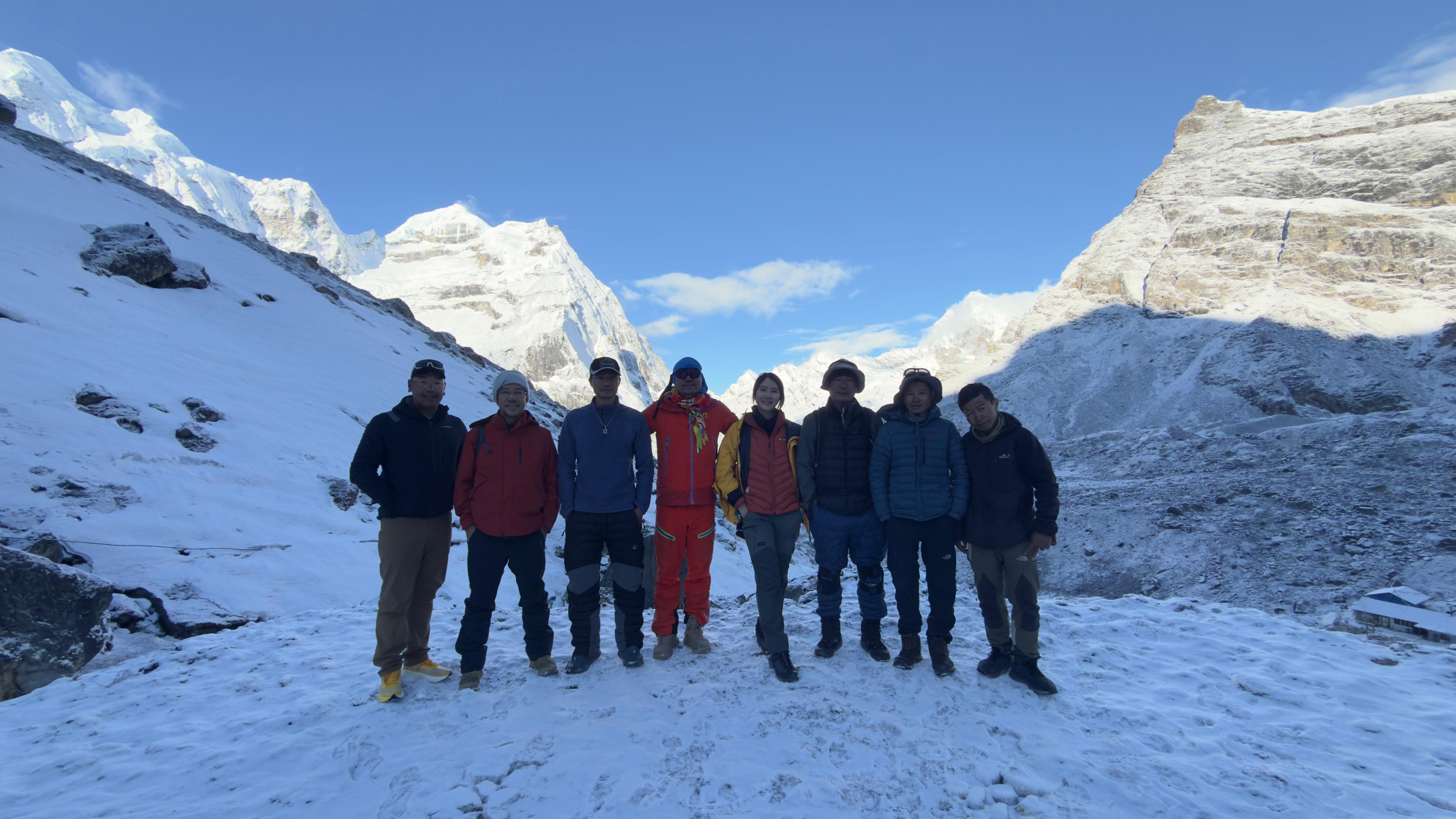
Mera Peak Climbing is one of Nepal’s most rewarding high-altitude adventures, combining remote Himalayan trekking, mountain culture, glacier travel, basic mountaineering, and the achievement of standing on a 6,476-meter (21,247-foot) Himalayan summit. Mera Peak is officially recognized as a trekking peak and is widely regarded as one of Nepal’s most accessible 6,000-meter climbing objectives, although its altitude and mountain environment make it considerably more demanding than an ordinary trek.
The adventure takes climbers away from the busier Everest Base Camp trail and into the spectacular Hinku Valley, where peaceful trails, rhododendron forests, traditional mountain settlements, high alpine landscapes, and dramatic Himalayan scenery create a genuine wilderness experience. The remote character of the route is one of Mera Peak’s biggest attractions.
At the same time, climbers should not underestimate the mountain. Altitude is the principal challenge, particularly above 5,000 meters. A successful expedition requires good physical fitness, gradual altitude gain, proper acclimatization, appropriate nutrition and hydration, suitable mountaineering equipment, and experienced mountain guides. The climbing itself is generally less technically demanding than many Himalayan peaks, but snow, ice, steep sections, cold temperatures, glacier conditions, and the long summit day can make the climb physically and mentally demanding.
Mera Peak is particularly attractive to fit beginners and aspiring mountaineers who want their first experience above 6,000 meters. Previous high-altitude trekking or climbing experience is beneficial, but beginners can prepare for the expedition by developing strong endurance and learning essential skills such as crampon walking, ice-axe use, rope procedures, and glacier safety.
Acclimatization should be at the heart of every Mera Peak itinerary. Rather than rushing toward the summit, climbers should follow a gradual ascent with sufficient rest and preparation at higher elevations. This allows the body to adapt to decreasing oxygen levels and improves the chances of completing the summit attempt safely. Any worsening symptoms of altitude illness should be taken seriously, and descending should always take priority over summit ambitions.
The best periods for Mera Peak Climbing are generally spring (March–May) and autumn (September–November), when Himalayan conditions are typically more favorable. Nepal Tourism Board identifies spring and autumn as major mountaineering seasons, although exact weather and route conditions can vary each year.
One of the greatest rewards comes from the summit panorama. From Mera Peak, climbers can enjoy spectacular views toward some of the world's highest mountains, including Mount Everest, Lhotse, Makalu, Cho Oyu, and Kangchenjunga, together with numerous other Himalayan peaks.
For 2027/2028, Mera Peak is an excellent choice for adventure seekers looking to progress from high-altitude trekking toward Himalayan mountaineering. It offers a challenging but achievable objective when approached with proper preparation and professional support.
 Oct 05, 2026
The Most Frequently Asked Questions About Island Peak: Detailed Climbing Guide Island Peak, officially known as Imja Ts...
Read More Sep 30, 2026
Lobuche Peak Climbing: Conquer the Everest Region Lobuche Peak Climbing is an exhilarating Himalayan adventure in Nepal...
Read More Sep 27, 2026
Chulu Far East Peak Climbing: 6,000m Himalayan Adventure in Nepal Chulu Far East Peak Climbing is a challenging Himalay...
Read More Sep 23, 2026
Mera Peak Climbing is one of Nepal’s most rewarding Himalayan adventures, offering an unforgettable journey to Mer...
Read More
Leave a Comment