
Any Questions? Email Us
Talk to an Expert
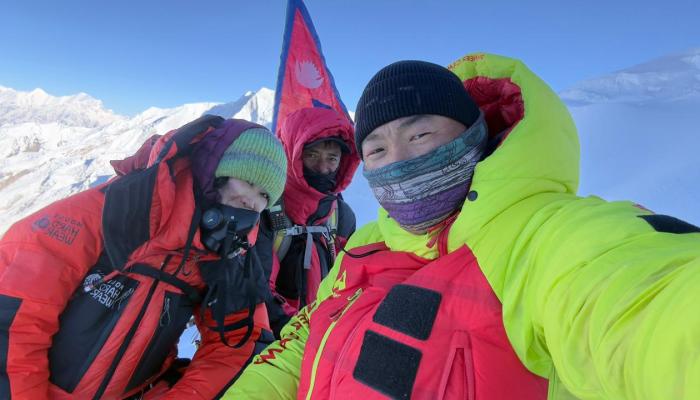
The Himlung Himal Expedition is an extraordinary high-altitude mountaineering adventure in Nepal, offering experienced climbers the opportunity to ascend Himlung Himal at 7,126 meters (23,379 feet) in the remote Manaslu region. Located near the Nepal–Tibet border, Himlung Himal combines dramatic Himalayan scenery, remote mountain landscapes, traditional Himalayan culture, and challenging snow-and-ice climbing. The expedition is particularly appealing to mountaineers seeking a less-crowded alternative to Nepal’s more commercialized peaks while gaining valuable experience in high-altitude expedition climbing.
Organized by Outward Adventure Treks, the Himlung Expedition is designed as a carefully planned Himalayan journey that combines a remote approach through the spectacular Nar Phu Valley with progressive acclimatization and a challenging summit attempt. The expedition involves trekking through isolated mountain settlements, establishing a base camp, preparing for high-altitude climbing, and ascending through progressively higher camps before making the final push toward the summit. Climbers may encounter glaciers, steep snow slopes, changing weather, freezing temperatures, and reduced oxygen levels, making proper preparation, acclimatization, technical skills, and experienced mountain support essential.
Himlung Himal is regarded as a demanding but rewarding 7,000-meter-class expedition peak. While it can be an excellent objective for climbers with previous high-altitude and mountaineering experience, the mountain should not be underestimated. Physical endurance, mental resilience, familiarity with crampons and ice axes, rope techniques, and the ability to operate safely in extreme alpine conditions are important qualities for a successful expedition.
One of the defining attractions of the Himlung Himal Expedition in Nepal is the journey itself. The approach through the Nar Phu Valley provides an authentic Himalayan experience far from busy trekking routes, with spectacular mountain scenery and culturally rich settlements. This combination of remote trekking and serious mountaineering makes Himlung Himal a distinctive choice for adventurers looking to explore a quieter and more challenging side of the Nepal Himalayas.
For climbers searching for a Himlung Expedition in Nepal, Himlung Himal climbing, or a professionally organized 7,000-meter Himalayan expedition, Outward Adventure Treks offers an opportunity to experience this remarkable mountain with structured expedition planning and dedicated mountain support. The ultimate goal is not only to reach the summit but also to complete the journey responsibly, safely, and with respect for the Himalayan environment and local communities.
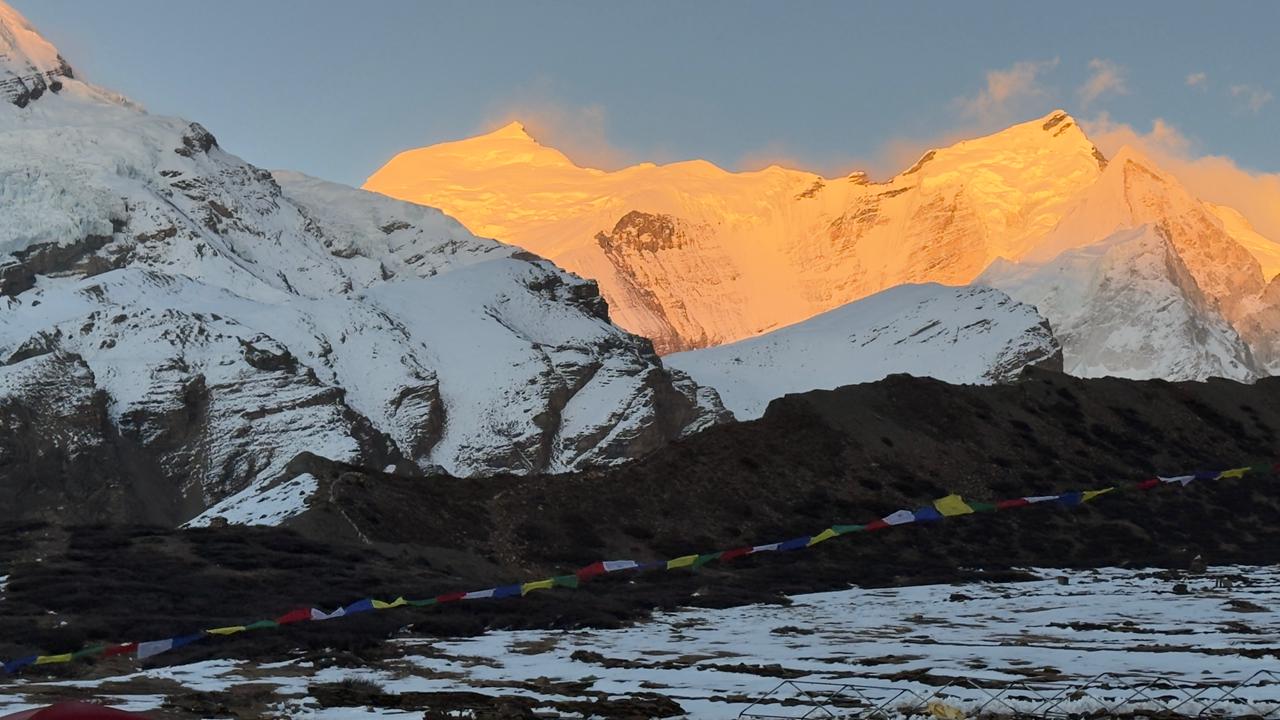
The autumn season is one of the most favorable periods for the Himlung Himal Expedition in Nepal, particularly from late September through November. After the summer monsoon gradually withdraws from the Himalayas, the weather generally becomes more stable, skies become clearer, and visibility across the Manaslu and Annapurna regions improves. These conditions make autumn an attractive window for climbers preparing for the demanding ascent of Himlung Himal (7,126 m / 23,379 ft).
Autumn offers a strong combination of weather, mountain visibility, trail conditions, and climbing opportunities. During the monsoon months, heavy precipitation can affect lower trekking routes and create unstable conditions in the mountains. As autumn progresses, rainfall decreases significantly in the Himalayan region, leaving many valleys greener at lower elevations while the higher mountains become increasingly crisp and clear.
For an expedition peak above 7,000 meters, this relative improvement in conditions is particularly valuable. Climbers need suitable weather not only for the summit attempt but also for establishing camps, acclimatizing, moving equipment, and waiting for an appropriate summit window.
Autumn weather around Himlung Himal can vary considerably with altitude and month. September can still experience some residual monsoon influence, especially during the early part of the month. By October, conditions are generally more favorable, with clearer skies and improved visibility becoming common. November can also provide excellent mountain views, although temperatures become progressively colder, particularly at higher elevations.
At lower elevations, daytime conditions can be relatively comfortable for trekking. However, temperatures drop substantially as the expedition moves toward base camp and higher camps. Above 6,000 meters, climbers should be prepared for severe cold, strong winds, freezing nights, and rapidly changing mountain weather.
It is important to remember that Himalayan weather is unpredictable. Even during the best climbing season, clouds, snowfall, high winds, or poor visibility can occur. Therefore, an experienced expedition team must maintain flexibility rather than relying solely on a fixed summit date.
One of the major attractions of an autumn Himlung Himal Expedition is the spectacular visibility. Clearer skies can reveal dramatic views of the surrounding Himalayan peaks, glaciers, deep valleys, and rugged terrain.
The approach through the Nar Phu Valley is particularly scenic. Climbers pass through remote Himalayan landscapes and traditional settlements before reaching the mountain's base camp. The combination of cultural scenery and high-altitude wilderness makes the expedition much more than a technical climbing experience.
The autumn season generally provides better trekking conditions after the monsoon period. The approach to Himlung Himal involves remote mountain terrain, and conditions can still vary depending on rainfall, landslides, snowfall, and local weather.
A well-planned itinerary allows climbers to move gradually through the Nar Phu Valley while giving the body sufficient time to adjust to increasing elevation. Rather than rushing toward base camp, expedition teams normally prioritize gradual altitude gain and acclimatization.
Proper acclimatization is critical when climbing a 7,000-meter peak. As altitude increases, atmospheric pressure decreases and the body receives less available oxygen. Climbers therefore need sufficient time to adapt before attempting the higher sections of Himlung Himal.
During the expedition, acclimatization may involve spending nights at progressively higher elevations, undertaking climbing rotations, and allowing appropriate recovery periods. The exact strategy depends on the expedition itinerary, weather, route conditions, and individual health and performance.
A responsible expedition operator such as Outward Adventure Treks should prioritize acclimatization and safety rather than treating the summit as the only measure of success.
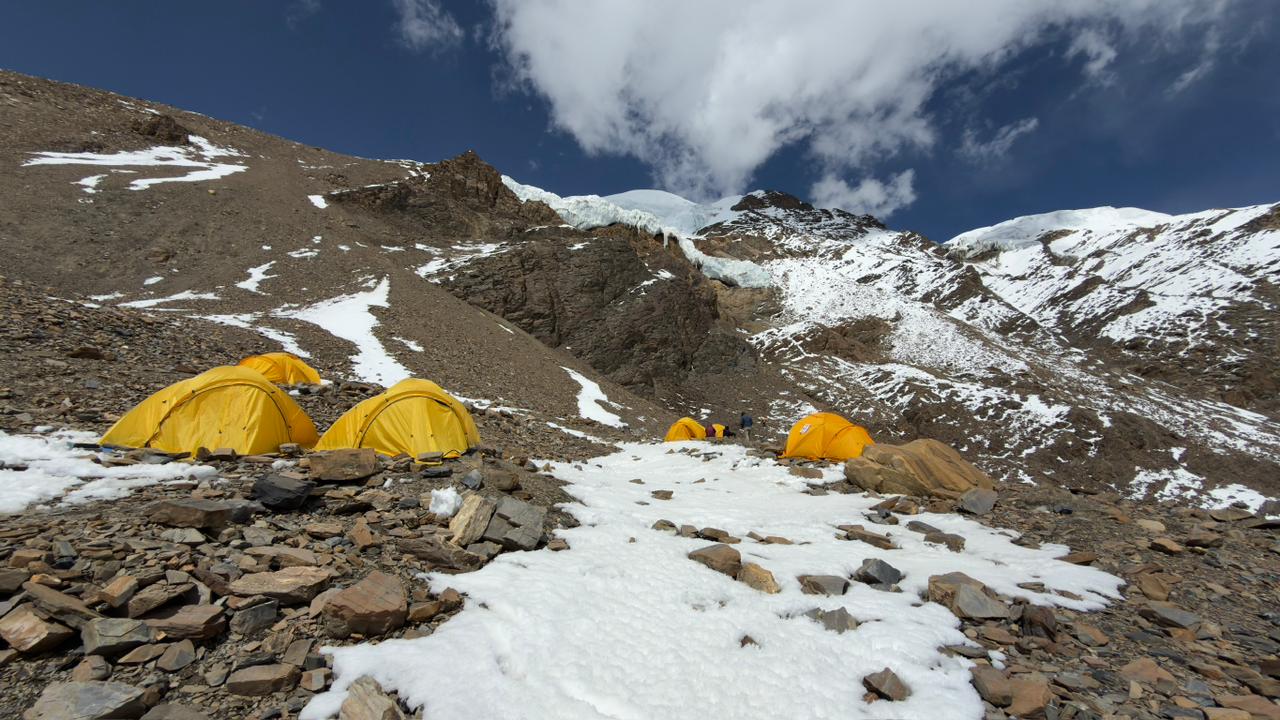
The upper mountain presents serious mountaineering challenges even in the autumn season. Climbers may encounter snow and ice, glaciers, steep terrain, strong winds, and extreme cold. As elevation increases, physical exertion becomes increasingly demanding because of reduced oxygen availability.
Technical preparation is therefore important. Depending on route conditions, climbers may need experience with crampons, ice axes, climbing harnesses, fixed ropes, ascenders, and glacier-travel techniques. Previous high-altitude climbing experience is strongly beneficial for anyone considering a Himlung expedition.
For many climbers, October and early November are particularly attractive periods, subject to the actual weather and mountain conditions of the year.
Choosing autumn does not eliminate the risks associated with a 7,126-meter mountain. Climbers should be physically prepared for long days, steep terrain, heavy expedition equipment, and prolonged exposure to cold.
A successful expedition also requires appropriate clothing, mountaineering equipment, travel insurance covering high-altitude climbing where applicable, permits, emergency planning, experienced guides, and sufficient contingency days.
Most importantly, summit success should never come before safety. If weather or route conditions become dangerous, experienced expedition leaders may delay or abandon a summit attempt.
For adventurers planning a Himlung Himal Expedition in autumn, Outward Adventure Treks can provide a structured expedition experience combining remote trekking, acclimatization, climbing logistics, and high-altitude mountain support. The autumn journey offers the opportunity to explore the spectacular Nar Phu Valley and Manaslu region while undertaking one of Nepal's notable 7,000-meter mountaineering challenges.
Overall, autumn is an excellent season for Himlung Himal climbing, offering a favorable balance of weather, visibility, trekking conditions, and summit opportunities. With proper preparation, experienced leadership, adequate acclimatization, and a flexible itinerary, the autumn Himlung Expedition can become a remarkable and demanding Himalayan achievement.
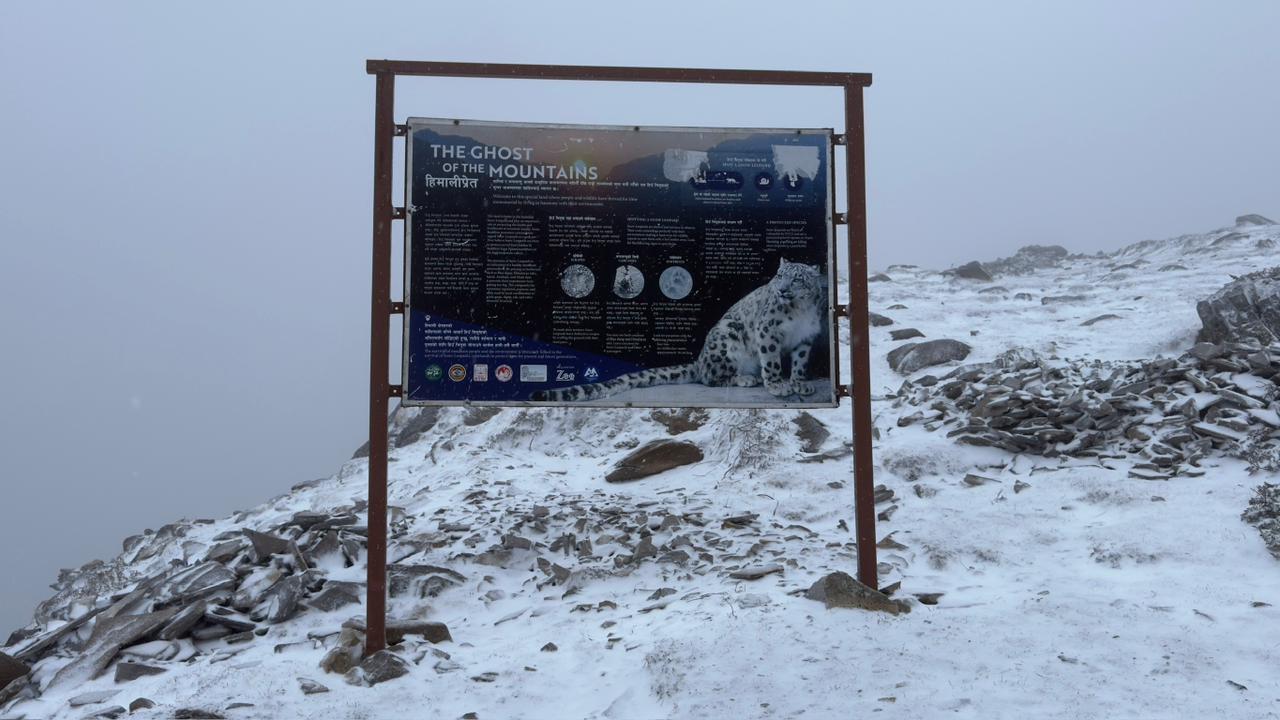
The spring season is one of the best periods for the Himlung Himal Expedition in Nepal, generally covering March to May. During this season, the Himalayan weather gradually becomes more suitable for high-altitude mountaineering, with improving visibility, longer daylight hours, and generally more favorable climbing conditions. For climbers aiming to reach the 7,126-meter (23,379-foot) summit of Himlung Himal, spring provides an excellent opportunity to undertake a challenging expedition through the remote Nar Phu Valley and Manaslu region.
Spring begins with colder conditions, particularly at higher elevations, but temperatures gradually become more comfortable as April and May approach. Compared with the depths of winter, increasing daylight and improving weather can make expedition activities more manageable.
March can still be quite cold, with winter conditions lingering at higher elevations. April is generally a particularly attractive month because weather conditions often become more stable and daylight increases. May can also provide good climbing opportunities, although temperatures and weather patterns can begin changing as the pre-monsoon period approaches.
At 7,000 meters, however, conditions remain extreme regardless of season. Strong winds, snowfall, freezing temperatures, and rapidly changing weather are always possible.
Spring offers several advantages for a Himlung Expedition:
The season also provides an opportunity to experience the changing Himalayan environment, from the greener lower valleys to the heavily glaciated and snow-covered upper mountain.
The journey to Himlung Himal is an important part of the expedition. The route passes through the remote Nar Phu Valley, where climbers encounter traditional Himalayan settlements, Buddhist culture, dramatic cliffs, deep valleys, and spectacular mountain scenery.
Spring can be particularly beautiful along the lower sections of the approach as vegetation begins to flourish. As the expedition gains elevation, the landscape transitions into a colder alpine environment dominated by rock, snow, glaciers, and towering Himalayan peaks.
Acclimatization and High-Altitude Preparation
Himlung Himal is a serious 7,000-meter-class expedition, so acclimatization is essential. Climbers need time to adapt to decreasing oxygen availability as they ascend.
A carefully structured spring expedition should include gradual altitude gain, acclimatization periods, rest, climbing practice, and appropriate rotations between camps where required. The actual acclimatization strategy depends on weather, route conditions, individual performance, and the expedition team's experience.
After reaching Himlung Base Camp and completing the necessary preparations, climbers begin the higher-altitude phase of the expedition. Depending on conditions and the established route, climbers may use fixed ropes and specialized mountaineering equipment while moving toward higher camps.
The upper mountain can involve steep snow and ice, glacier travel, extreme cold, strong winds, and exhausting summit-day conditions. Previous experience with crampons, ice axes, harnesses, ascenders, fixed ropes, and glacier travel can be highly valuable.
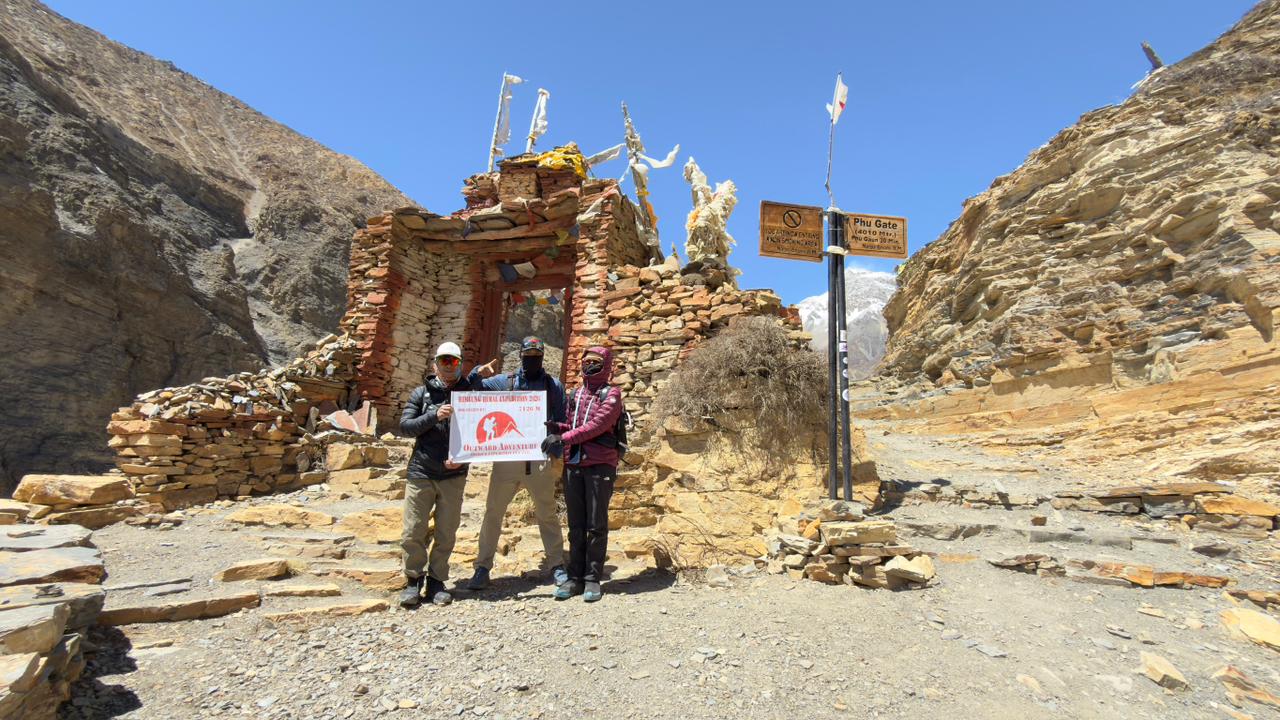
For many expedition teams, April and early May can offer an appealing balance between weather, daylight, and climbing conditions, although no Himalayan season guarantees a successful summit window.
The better season ultimately depends on the climber's schedule, experience, preferred conditions, and the specific expedition itinerary. For either season, sufficient contingency days are essential because Himalayan weather can change rapidly.
Spring should not be mistaken for easy conditions. Himlung Himal remains a demanding high-altitude mountain, and climbers must be prepared for altitude-related problems, severe cold, snowfall, strong winds, technical terrain, and fatigue.
Proper physical conditioning, acclimatization, quality equipment, experienced mountain leadership, weather monitoring, emergency planning, and a flexible itinerary are essential. Safety should always take priority over summit success.
Outward Adventure Treks offers climbers the opportunity to experience the Himlung Himal Expedition in spring as a professionally organized Himalayan adventure. The expedition combines the remote landscapes of the Nar Phu Valley with high-altitude mountaineering and the challenge of ascending a 7,000-meter Himalayan peak.
Overall, spring is an excellent season for Himlung Himal climbing, particularly for climbers seeking improving weather, longer daylight, spectacular Himalayan scenery, and a demanding high-altitude expedition. With proper preparation, acclimatization, experienced support, and careful attention to mountain conditions, a spring Himlung Expedition can be an unforgettable Himalayan achievement.
The Himlung Himal Expedition (7,126 m) has a comparatively strong summit-success record among Nepal’s 7,000-meter peaks, although no single official percentage applies to every year or expedition because success depends on weather, acclimatization, climber preparation, route conditions, and professional support. Autumn (September–November) is generally considered the more proven season for Himlung, particularly October, when post-monsoon skies are clear, visibility is excellent, and climbing conditions are typically more predictable; available expedition sources report that a majority of successful Himlung summits have historically occurred during autumn. Spring (March–May) also offers a favorable opportunity, with longer daylight hours, gradually improving weather, and fewer climbers on the mountain, although fresh or deeper snow can sometimes make the upper route more demanding. For climbers prioritizing predictable weather and a historically strong summit record, Outward Adventure Treks considers autumn an excellent choice, while spring can be ideal for experienced mountaineers seeking quieter conditions and longer climbing days. Ultimately, neither season guarantees summit success, and proper acclimatization, fitness, technical preparation, experienced Sherpa support, and a suitable weather window remain the most important factors.
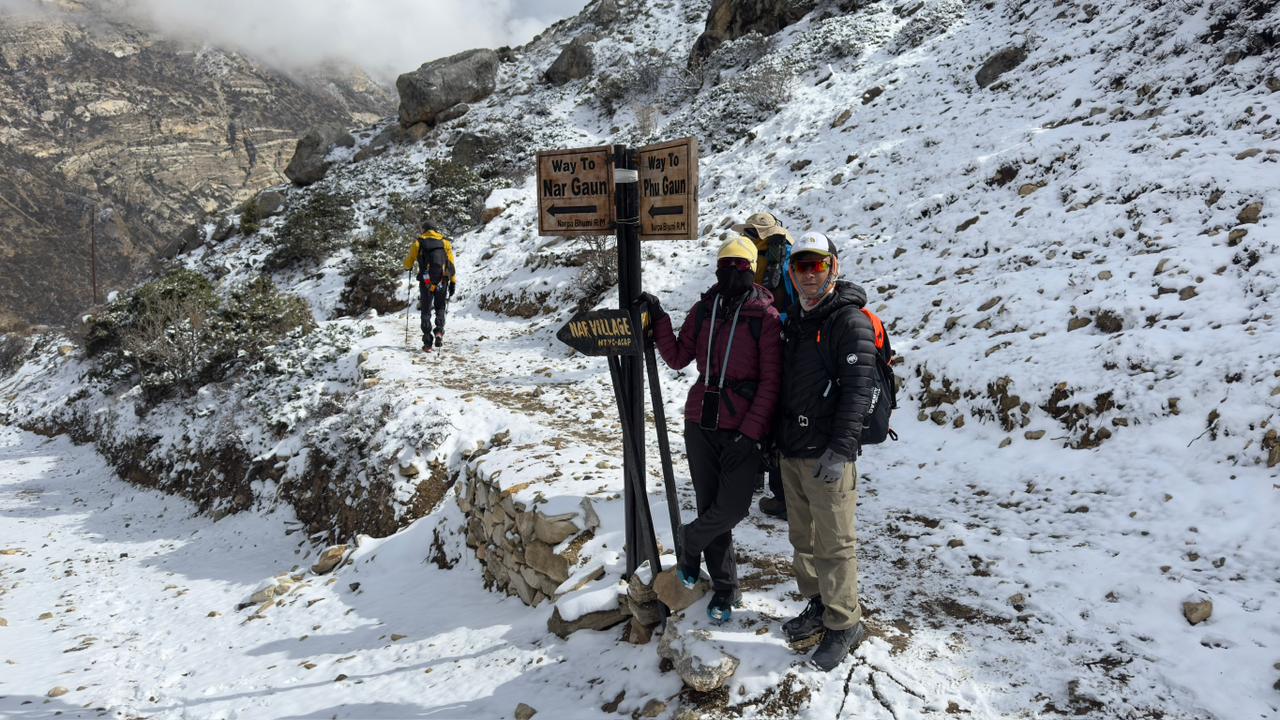
Autumn is generally considered one of the most favorable seasons for the Himlung Himal Expedition, particularly during October and early November. After the summer monsoon retreats, the weather across the Nepal Himalayas typically becomes more stable, with clearer skies, improved visibility, and relatively predictable conditions. These factors are highly valuable for a 7,126-meter expedition because climbers need suitable weather not only for the summit push but also for acclimatization, climbing rotations, route preparation, and movement between high camps. The combination of post-monsoon conditions and generally stable mountain weather makes autumn a popular choice for climbers targeting Himlung Himal.
Another major advantage of autumn is excellent mountain visibility. Clear conditions can provide spectacular views of Himlung Himal, the surrounding Manaslu region, glaciers, and the remote Nar Phu Valley. The generally drier approach trails can also make the journey toward base camp more manageable. However, autumn does not eliminate risk. Temperatures become increasingly cold as November progresses, and strong winds, snowfall, and sudden weather changes can still affect summit plans. Therefore, choosing October or early November and maintaining sufficient contingency days can be advantageous.
Spring is another excellent season for Himlung Himal climbing, particularly from April to May. Following the winter period, temperatures gradually become less severe and daylight hours increase. Longer days can provide climbers with more useful time for trekking, acclimatization, climbing rotations, and summit attempts. Spring conditions can therefore be highly suitable for experienced mountaineers seeking a 7,000-meter Himalayan expedition.
April is often an attractive period because the combination of increasing daylight, improving temperatures, and generally favorable weather can create good climbing opportunities. May can also be suitable, particularly during the earlier part of the month, although weather patterns gradually become more influenced by the approaching pre-monsoon period. Spring can also bring more snow remaining on the mountain, depending on winter snowfall and current conditions. Consequently, route conditions and snow stability need to be carefully assessed by the expedition team.
When comparing Himlung Expedition success rates between autumn and spring, autumn—especially October—is often regarded as having a slight advantage because of its traditionally stable post-monsoon weather and clearer conditions. However, there is no universally accepted official database that provides a definitive success percentage for every Himlung expedition by season. Success rates can vary significantly from one year to another depending on weather, route conditions, expedition management, climber preparation, and the availability of suitable summit windows.
Spring should therefore not be considered a significantly inferior season. In favorable years, April and early May can provide excellent summit opportunities, while the longer daylight and relatively milder temperatures can be important advantages. A well-acclimatized and properly prepared team climbing in spring may have a better outcome than a poorly prepared team climbing in autumn.
If your main priority is historically favorable weather and clear mountain conditions, autumn is an excellent choice, with October and early November particularly attractive. If you prefer longer daylight, somewhat less severe temperatures, and the spring Himalayan environment, April and early May can be excellent alternatives.
For Outward Adventure Treks, the most important message for climbers is that season alone does not determine Himlung Expedition success. Proper acclimatization, physical conditioning, previous high-altitude experience, experienced guides, route assessment, reliable weather forecasting, appropriate mountaineering equipment, and a flexible summit strategy are equally important.
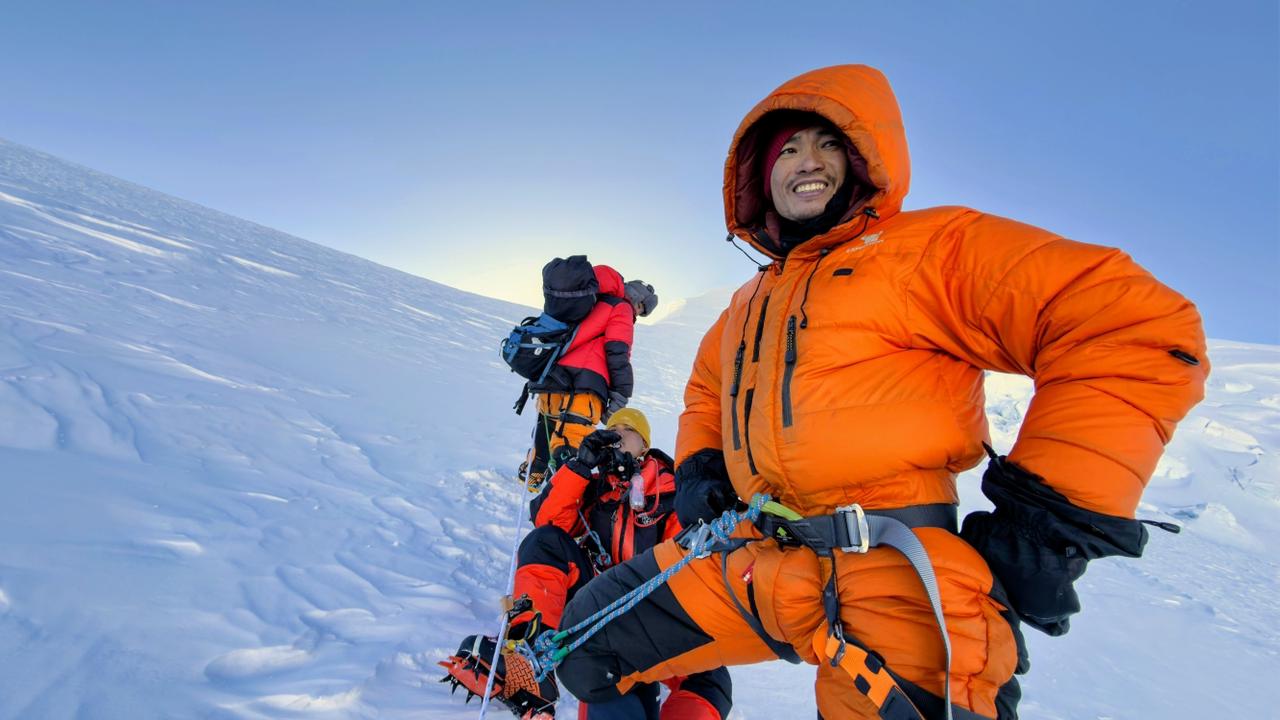
Autumn has a slight overall advantage for Himlung Himal Expedition success, particularly around October, while spring remains a highly favorable alternative, especially in April and early May. Rather than focusing only on a claimed success-rate percentage, climbers should choose the season that best matches their preparation, experience, schedule, and risk tolerance. With careful planning and a safety-first approach, both seasons can provide strong opportunities for a successful Himlung Himal Expedition in Nepal with Outward Adventure Treks.
The Himlung Himal Expedition stands as one of Nepal’s most rewarding 7,000-meter-class mountaineering adventures, bringing together high-altitude climbing, remote Himalayan landscapes, cultural exploration, and the demanding experience of ascending a 7,126-meter peak. Located in the remote Manaslu region near the Nepal–Tibet border, Himlung Himal offers experienced climbers an opportunity to move beyond conventional trekking and experience a genuine Himalayan expedition. The journey through the spectacular Nar Phu Valley, traditional mountain settlements, dramatic valleys, glaciers, and high-altitude terrain makes the expedition memorable even before the summit attempt begins.
For climbers searching for Himlung Himal Expedition in Nepal, choosing the right season is one of the most important planning decisions. Autumn and spring are the two principal climbing seasons, and both can provide favorable opportunities when weather and mountain conditions cooperate. Autumn, particularly October and early November, is widely preferred for its post-monsoon clarity, generally stable weather, excellent visibility, and favorable conditions for expedition logistics and summit attempts. Spring, especially April and early May, is also a strong option, offering longer daylight hours, gradually improving temperatures, and attractive climbing conditions. Rather than assuming that one season guarantees success, climbers should evaluate the actual weather forecast, snow conditions, route status, acclimatization schedule, and experience of the expedition team.
Acclimatization is particularly important for Himlung Himal climbing. As climbers ascend higher into the Himalayas, atmospheric pressure decreases and the body has less oxygen available. A gradual itinerary with appropriate acclimatization and rest allows climbers to adapt to increasing elevation and improves their ability to perform at high altitude. Experienced expedition leaders can monitor the team's condition, weather patterns, route conditions, and summit opportunities and make necessary adjustments when circumstances change. Building adequate contingency days into the itinerary is equally important because unfavorable weather can delay rotations or summit attempts.
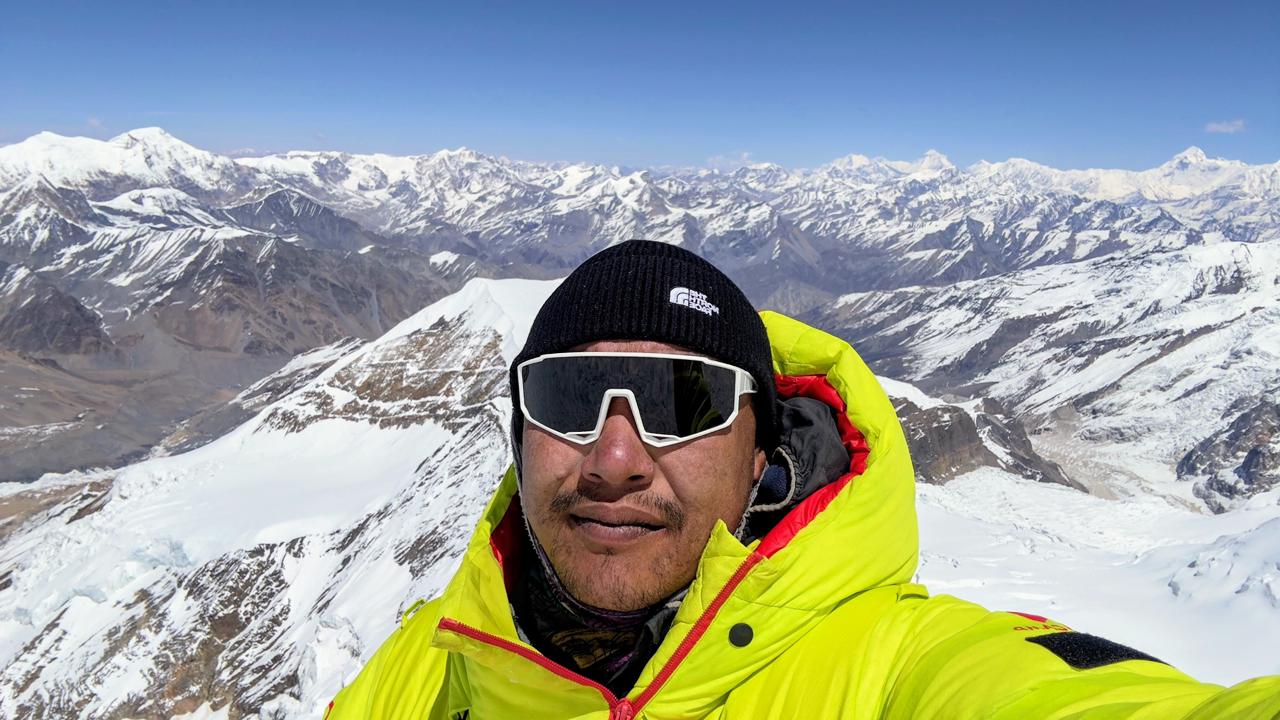
Another defining feature of the Himlung Himal Expedition in Nepal is its remote and culturally rich approach. The Nar Phu Valley provides a distinctive Himalayan experience away from some of Nepal's busiest trekking corridors. Traditional villages, Buddhist heritage, dramatic mountain formations, and remote landscapes create an expedition environment where cultural discovery and mountaineering become part of the same journey. For adventure travelers seeking an authentic experience in the Nepal Himalayas, this combination adds significant value to the expedition.
For experienced climbers looking for their next Himalayan challenge, Himlung Himal can also represent an important step into higher-altitude expedition mountaineering. Previous experience on high-altitude trekking peaks and familiarity with crampons, ice axes, harnesses, fixed ropes, glacier travel, and expedition routines can be valuable. However, every climber should honestly evaluate their experience and physical readiness before committing to a 7,000-meter expedition. Professional guidance, appropriate training, quality equipment, and conservative decision-making are essential.
Choosing a reliable expedition operator is another critical component of Himalayan climbing. Outward Adventure Treks focuses on providing organized Himalayan adventure experiences, including expedition logistics, trekking arrangements, acclimatization planning, climbing support, mountain guides, and essential expedition coordination. A professionally managed expedition helps climbers concentrate on preparation and climbing while ensuring that important logistical and safety considerations are addressed throughout the journey.
Ultimately, the Himlung Himal Expedition is not simply a summit climb; it is a complete Himalayan expedition experience. From the remote approach through Nar Phu Valley to the demanding high-altitude ascent, every stage requires preparation, patience, teamwork, and respect for the mountain. Climbers who approach Himlung Himal with realistic expectations, strong physical and technical preparation, adequate acclimatization, experienced mountain support, and a safety-first mindset can experience an extraordinary adventure in one of Nepal's most spectacular and remote mountain environments.
With Outward Adventure Treks, climbers can plan their Himlung Himal Expedition in Nepal with a focus on responsible adventure, professional expedition coordination, safety, acclimatization, and meaningful Himalayan experiences. Whether choosing the clear autumn mountains or the longer spring climbing window, the ultimate objective should always remain the same: climb responsibly, respect the Himalayas, prioritize safety, and make the journey to Himlung Himal a memorable achievement rather than simply a race to the summit.
 Oct 05, 2026
The Most Frequently Asked Questions About Island Peak: Detailed Climbing Guide Island Peak, officially known as Imja Ts...
Read More Sep 30, 2026
Lobuche Peak Climbing: Conquer the Everest Region Lobuche Peak Climbing is an exhilarating Himalayan adventure in Nepal...
Read More Sep 27, 2026
Chulu Far East Peak Climbing: 6,000m Himalayan Adventure in Nepal Chulu Far East Peak Climbing is a challenging Himalay...
Read More Sep 23, 2026
Mera Peak Climbing is one of Nepal’s most rewarding Himalayan adventures, offering an unforgettable journey to Mer...
Read More
Leave a Comment