
Any Questions? Email Us
Talk to an Expert
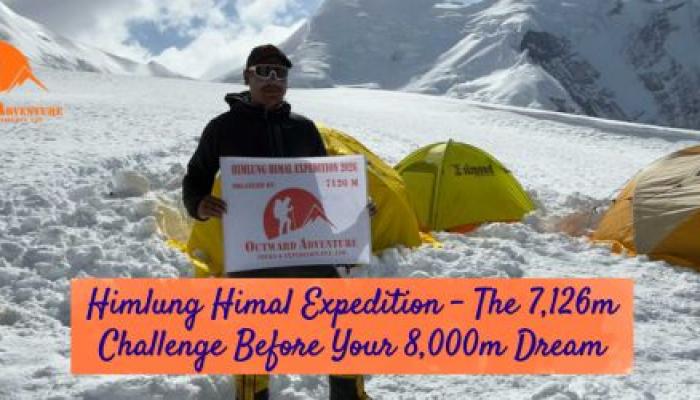
The Himlung Himal Expedition is one of Nepal’s remarkable high-altitude mountaineering adventures, taking experienced climbers to the summit of Himlung Himal at 7,126 meters (23,379 feet) in the remote Manaslu region of Nepal. Situated near the Nepal–Tibet border, this spectacular Himalayan peak offers an exceptional combination of challenging mountaineering, untouched mountain landscapes, rich Himalayan culture, and a remote expedition experience far from the busiest trekking routes. For climbers searching for a serious 7,000-meter expedition in Nepal, Himlung Himal provides an outstanding opportunity to experience the true character of Himalayan mountaineering.
The journey to Himlung Himal is as impressive as the mountain itself. The expedition approaches through the extraordinary Nar-Phu Valley, one of the most isolated and culturally fascinating areas of the Nepal Himalayas. Ancient settlements, dramatic valleys, Buddhist traditions, rugged cliffs, glaciers, and towering Himalayan peaks create an unforgettable approach toward the mountain. This combination of remote trekking and high-altitude climbing makes the Himlung Himal Expedition in Nepal significantly more than a summit attempt; it is a complete Himalayan adventure that connects wilderness, culture, endurance, and mountaineering.
Standing at 7,126 meters, Himlung Himal demands serious preparation and respect for the mountain environment. The expedition involves prolonged exposure to high altitude, rapidly changing weather, cold temperatures, rugged terrain, and demanding climbing conditions. Climbers need appropriate high-altitude experience, physical endurance, technical skills, mental resilience, and a carefully planned acclimatization strategy. Professional expedition support is equally important, as experienced guides, Sherpa climbers, reliable logistics, communication, mountain equipment, and responsible decision-making can play a major role throughout the expedition.

From an adventure perspective, Himlung Himal has become an attractive objective for experienced mountaineers seeking a challenging Nepal 7,000-meter peak with a remote and authentic Himalayan atmosphere. Compared with some of Nepal’s more heavily visited mountains, the Himlung Himal region offers a quieter wilderness experience while still delivering the scale and intensity expected from a major Himalayan expedition. The spectacular surroundings of the Manaslu region further enhance the journey, providing breathtaking views and an extraordinary sense of isolation as climbers move deeper into the high mountains.
The Himlung Himal Expedition 2027/2028 is particularly appealing to climbers planning their next major Himalayan objective and looking beyond conventional trekking adventures. With careful preparation, appropriate acclimatization, professional mountain leadership, and strong expedition logistics, Himlung Himal offers a meaningful opportunity to test endurance and mountaineering skills at more than 7,000 meters. The mountain’s combination of altitude, remote geography, cultural heritage, and demanding Himalayan terrain makes it a distinctive choice for serious adventure seekers.
For modern travelers researching Himlung Himal Expedition, Himlung Himal Climbing, Himlung Himal 7,126m, or 7,000-meter expeditions in Nepal, the mountain represents an authentic Himalayan experience where preparation and respect for the environment are essential. It connects the legendary landscapes of the Manaslu region with the raw challenge of high-altitude mountaineering, creating an expedition that is both physically demanding and deeply rewarding.
Organized with experienced local leadership and responsible expedition practices, the Himlung Himal Expedition with Outward Adventure Treks offers climbers the opportunity to explore one of Nepal’s remarkable high-altitude destinations while experiencing the natural beauty and cultural richness of the Himalayas. From the remote trails of Nar-Phu to the immense landscapes surrounding Himlung Himal, every stage of the journey contributes to an extraordinary Himalayan story—one defined by adventure, determination, exploration, and the pursuit of a 7,126-meter summit.

The Himlung Himal Expedition is considered a demanding Himalayan expedition because climbers must deal with a combination of extreme altitude, unpredictable mountain weather, technical terrain, long acclimatization periods, and physically demanding climbing conditions. At 7,126 meters (23,379 feet), Himlung Himal enters the high-altitude environment where reduced oxygen can significantly affect physical performance and endurance.
The remote location in Nepal’s Manaslu region adds another layer of challenge. The approach through the spectacular Nar-Phu Valley involves long days of trekking across rugged Himalayan terrain before reaching the mountain’s base camp. Climbers then face the demanding process of acclimatization and preparation for higher camps and the summit push. Another major challenge is the changing Himalayan weather. Strong winds, snowfall, freezing temperatures, and rapidly changing conditions can affect climbing schedules and summit opportunities. Climbers therefore need patience, flexibility, and sound judgment throughout the expedition.
The combination of high altitude, challenging terrain, cold conditions, remote logistics, physical endurance, and technical mountaineering requirements makes Himlung Himal a serious objective rather than a conventional trekking adventure. With proper preparation, previous high-altitude experience, professional Sherpa support, and a carefully managed acclimatization strategy, however, experienced climbers can approach this demanding expedition with greater confidence. For those seeking a genuine 7,000-meter Himalayan adventure in Nepal, Himlung Himal offers a challenging yet highly rewarding mountaineering experience through one of the country’s most remote and spectacular mountain regions.

Yes—but there is an important distinction between what Nepal’s law currently requires and what is being proposed or recommended as an experience standard. As of August 2026, Nepal’s official mountaineering framework does not appear to contain a blanket rule stating that every climber must first successfully summit a 7,000-meter mountain before being legally permitted to climb Mount Everest or every other 8,000-meter peak.
The governing framework is the Mountaineering Expedition Regulation, 2059 (2002), as amended. The Department of Tourism currently lists the Mountaineering Regulation and its sixth amendment among its regulations. (Tourism Department)
Under the existing regulation, climbers need a government mountaineering permit, and the rules establish different requirements according to mountain category and altitude. For example, the regulation distinguishes mountains above 8,000 m, 7,000–8,000 m, and below 7,000 m for operational matters such as the period within which an expedition must reach base camp. (Law Commission Repository)
There has been significant discussion in Nepal about making previous experience on a 7,000-meter Nepalese peak a prerequisite for an Everest permit. However, reporting in early 2026 indicated that this proposal had not yet been approved as a blanket legal requirement at that point.
Therefore, it would be inaccurate to write:
“Nepal Government law makes a 7,000-meter summit compulsory before climbing Everest.”
A more legally accurate statement is: “Nepal has considered introducing a requirement for climbers to have previous 7,000-meter climbing experience before attempting Everest, but this should not be presented as an already universal legal requirement unless and until the relevant amendment is officially enacted.”
It should also not be generalized to every 8,000-meter mountain. Nepal's regulations separately classify mountains by altitude and establish different royalty and expedition provisions. The Department of Tourism's current royalty schedule, effective 1 September 2025, separately lists Everest, other mountains above 8,000 m, Manaslu, 7,501–7,999 m peaks, and 7,001–7,500 m peaks. (Tourism Department)
So, Everest, Manaslu, and other 8,000-meter peaks should not automatically be described as having identical eligibility requirements.
Even where it is not a universal legal prerequisite, a previous 7,000-meter expedition can be an extremely valuable experience benchmark for an 8,000-meter objective. It gives a climber exposure to prolonged high-altitude conditions, expedition routines, severe weather, technical climbing environments, and the physical demands associated with extreme altitude.
This is particularly relevant to Himlung Himal (7,126 m). A successful Himlung Himal expedition can therefore be positioned as a valuable high-altitude progression toward future 8,000-meter objectives, rather than claiming that Nepalese law universally requires Himlung or another specific 7,000-meter summit.
Nepal has been considering stricter experience requirements for Everest climbers, including previous experience on a 7,000-meter peak. However, as of August 2026, this should not be presented as a universal legal requirement under Nepal’s current Mountaineering Expedition Regulation unless officially confirmed by the Government of Nepal. Nevertheless, a 7,000-meter expedition such as Himlung Himal provides valuable high-altitude experience and can be an important preparation step for climbers targeting Everest or other 8,000-meter mountains.
The Nepal Tourism Department and Nepal Law Commission are the appropriate primary authorities to cite for the legal position. (Tourism Department).

The Himlung Himal Expedition is widely regarded as a valuable stepping stone for mountaineers preparing for the demands of an 8,000-meter expedition. Rising to 7,126 meters (23,379 feet) in the Manaslu region of Nepal, Himlung Himal provides experience in high-altitude acclimatization, glacier travel, fixed-rope climbing, expedition logistics, and sustained physical effort—skills that become increasingly important on higher Himalayan peaks.
1. Experience Above 7,000 Meters
2. Stronger High-Altitude Acclimatization Skills
Successful 8,000-meter expeditions require carefully managed acclimatization. Himlung provides an opportunity to practice:
These lessons can become extremely valuable when preparing for mountains such as Manaslu, Cho Oyu, Lhotse, or Mount Everest.
3. Glacier and Fixed-Rope Experience
Climbers can develop practical skills such as:
These are fundamental skills that can become even more important on an 8,000-meter expedition.
4. Learning the Reality of Expedition Life
5. Testing Physical and Mental Endurance
6. Understanding High-Altitude Decision-Making
7. A Valuable Bridge to 8,000m Objectives
For an aspiring 8,000-meter climber, the progression can look like: 6,000m+ peaks → 7,000m-class expedition such as Himlung Himal → stronger technical and high-altitude experience → 8,000m expedition
The objective is not simply to collect summit heights. It is to build the skills, judgment, endurance, and expedition experience required for increasingly demanding Himalayan objectives.
Himlung Himal is an excellent preparation mountain for climbers targeting an 8,000-meter expedition because it combines high altitude, technical climbing, glacier travel, expedition logistics, acclimatization, and demanding physical and mental conditions in one Himalayan objective. For climbers considering an eventual 8,000-meter summit, Himlung can serve as an important intermediate step—provided they have the appropriate previous mountaineering experience, technical skills, physical preparation, and professional expedition support.
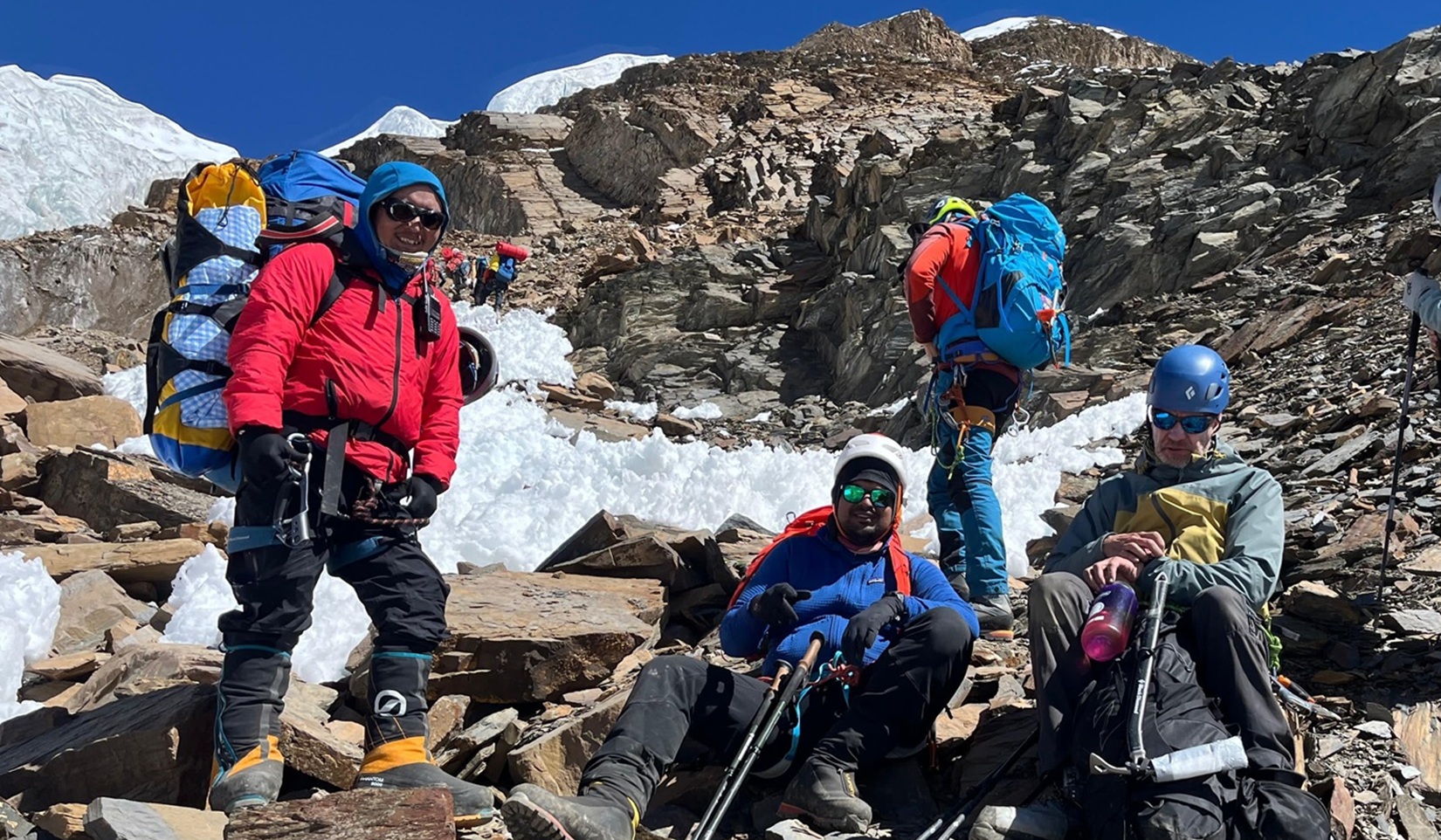
The Himlung Himal Expedition (7,126 m) is a serious high-altitude mountaineering objective in Nepal. It is often regarded as one of the more accessible 7,000-meter peaks, but “accessible” does not mean easy or risk-free. Recent expedition sources describe Himlung as having a comparatively high summit-success record among Nepal’s 7,000-meter peaks, but there is no single universally published annual success rate that can responsibly be applied to every expedition. One commercial source cites roughly 80–90% for well-prepared, properly organized expeditions, while other sources describe it more generally as having one of the higher success rates in its altitude category.
Several factors can contribute to successful ascents:
The mountain is nevertheless exposed to serious altitude and weather hazards. A successful season does not eliminate individual risk.
3. Altitude Is the Major Challenge
4. Previous Climbing Experience Matters
5. Himlung as Preparation for 8,000-Meter Peaks
One of Himlung's strongest attractions is its potential role in a climber's Himalayan progression.
A successful 7,000-meter expedition can provide experience with:
This makes Himlung particularly relevant for experienced climbers considering future objectives such as Manaslu, Cho Oyu, Everest, or other 8,000-meter mountains. However, it should be described as valuable preparation rather than a guarantee of readiness or success.
6. Weather Can Change the Outcome
Weather remains one of the most important variables in Himalayan mountaineering. Even a physically strong climber can be unable to summit when the weather window closes. The 2025 Himlung season demonstrated this point dramatically. An international expedition reported successful summits despite major snowfall and challenging weather conditions. This is why experienced expedition planning normally incorporates flexibility and contingency time rather than treating the summit date as absolutely fixed.

8. Safety and Rescue Considerations
9. What Really Determines Success?
10. Overall Assessment of Himlung Expedition
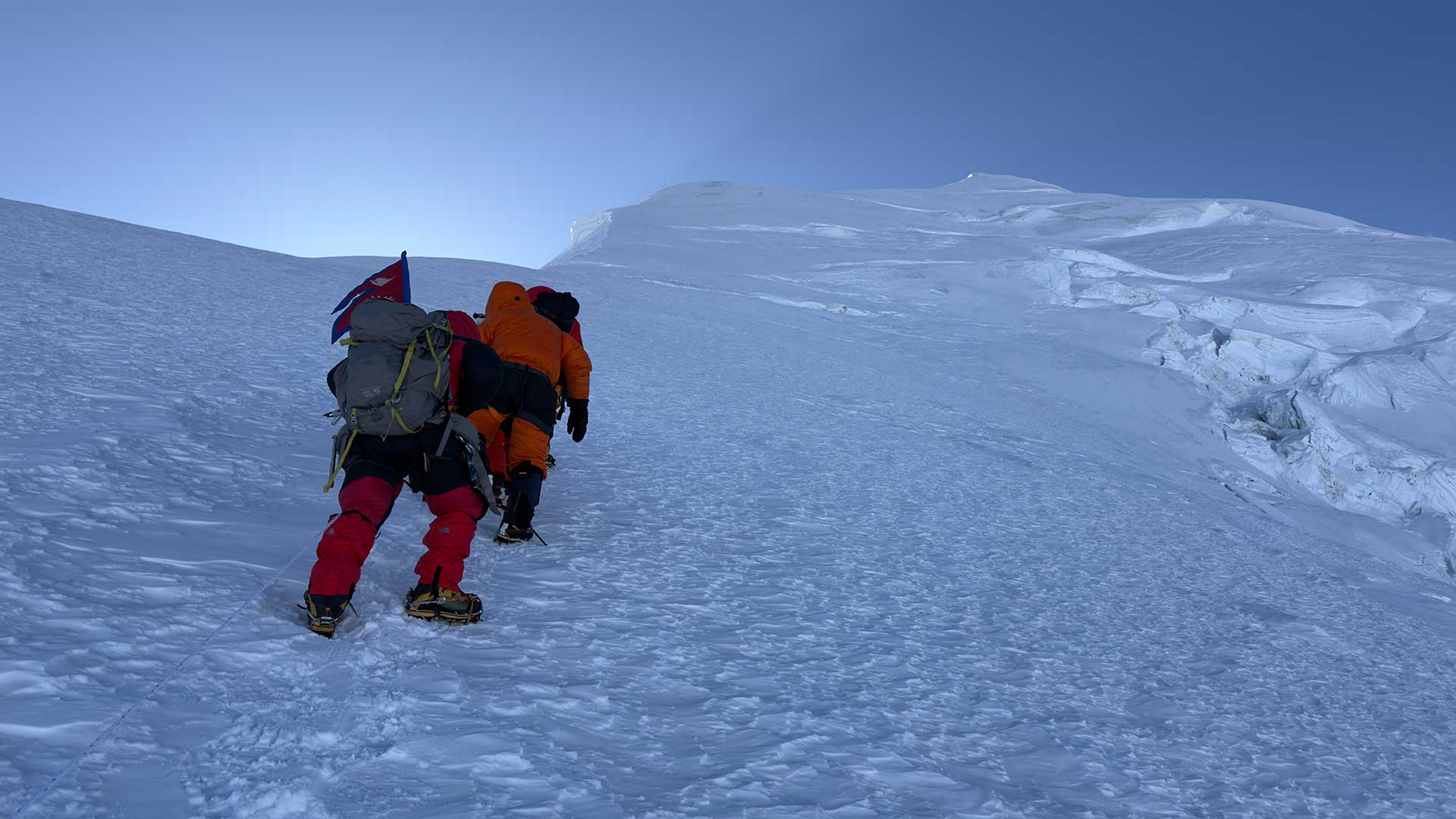
The Himlung Himal Expedition at 7,126 meters is far more than a conventional trekking adventure—it is a serious 7,000-meter Himalayan mountaineering experience that demands preparation, endurance, acclimatization, technical ability, and responsible decision-making. Its remote location in Nepal’s Manaslu region, challenging high-altitude environment, unpredictable weather, and prolonged expedition conditions make it a demanding objective even for experienced climbers.
At the same time, Himlung Himal offers an important opportunity for mountaineers who want to progress toward 8,000-meter expeditions. Experience above 7,000 meters can help climbers understand how their bodies and minds respond to extreme altitude while developing practical skills in acclimatization, high-camp routines, cold-weather climbing, expedition logistics, and mountain decision-making. It should be viewed as valuable preparation—not a guaranteed qualification or substitute for the additional experience required for an 8,000-meter summit.
For climbers planning Himlung Himal Expedition 2027/2028, success ultimately depends on much more than a published success-rate percentage. Strong preparation, previous high-altitude experience, appropriate acclimatization, favorable weather, experienced mountain leadership, reliable logistics, and the discipline to turn around when conditions demand it are the foundations of a successful expedition.
Himlung Himal is therefore an excellent stepping stone for experienced mountaineers seeking to strengthen their 7,000-meter experience before taking on the greater demands of an 8,000-meter Himalayan objective. With professional guidance and responsible expedition planning from Outward Adventure Treks, the journey can become a challenging, rewarding, and memorable chapter in a climber’s Himalayan progression.
 Oct 05, 2026
The Most Frequently Asked Questions About Island Peak: Detailed Climbing Guide Island Peak, officially known as Imja Ts...
Read More Sep 30, 2026
Lobuche Peak Climbing: Conquer the Everest Region Lobuche Peak Climbing is an exhilarating Himalayan adventure in Nepal...
Read More Sep 27, 2026
Chulu Far East Peak Climbing: 6,000m Himalayan Adventure in Nepal Chulu Far East Peak Climbing is a challenging Himalay...
Read More Sep 23, 2026
Mera Peak Climbing is one of Nepal’s most rewarding Himalayan adventures, offering an unforgettable journey to Mer...
Read More
Leave a Comment