
Any Questions? Email Us
Talk to an Expert
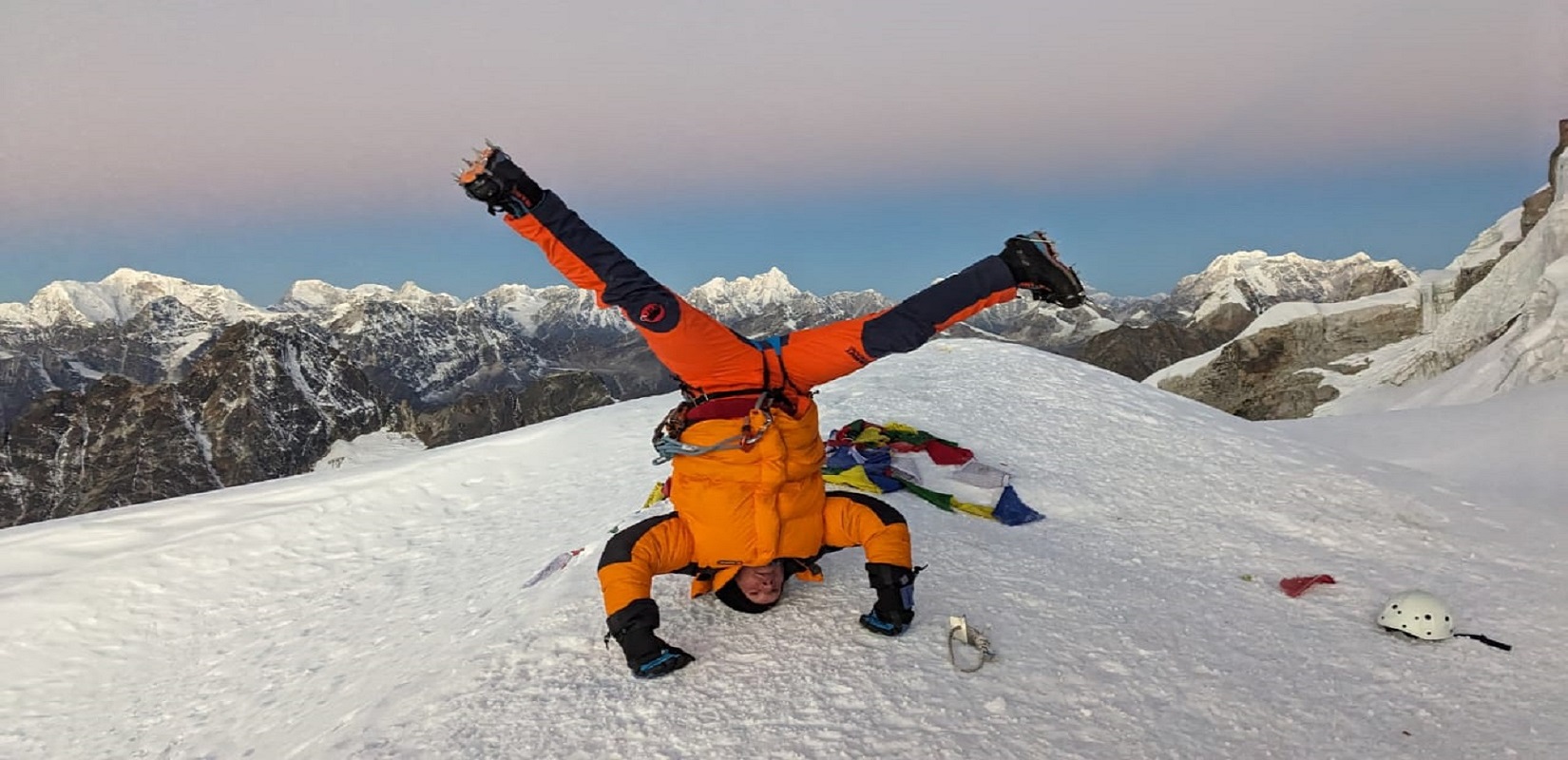
Nepal is one of the world’s premier destinations for Himalayan mountaineering, offering everything from technical peak climbing adventures to full-scale high-altitude expeditions. With the Himalayas covering much of the country, Nepal provides an extraordinary range of climbing opportunities for beginners, experienced mountaineers, and professional expedition teams. However, peak climbing and mountain expedition are not the same experience. Understanding the difference between the two is essential when choosing the right Himalayan adventure, preparing for the challenges, estimating the budget, and selecting appropriate equipment and support.
Peak climbing in Nepal generally refers to climbing designated trekking peaks and other lower or moderately high Himalayan summits. Popular examples include Mera Peak (6,476 m), Island Peak (6,189 m), Lobuche East Peak (6,119 m), and Yala Peak (5,732 m). These climbs are often combined with trekking routes, allowing climbers to experience local villages, mountain landscapes, glaciers, and high-altitude camps before attempting the summit. Peak climbing can be an excellent introduction to Himalayan mountaineering because it provides opportunities to learn fundamental skills such as using crampons, ice axes, ropes, harnesses, and climbing equipment under professional guidance.
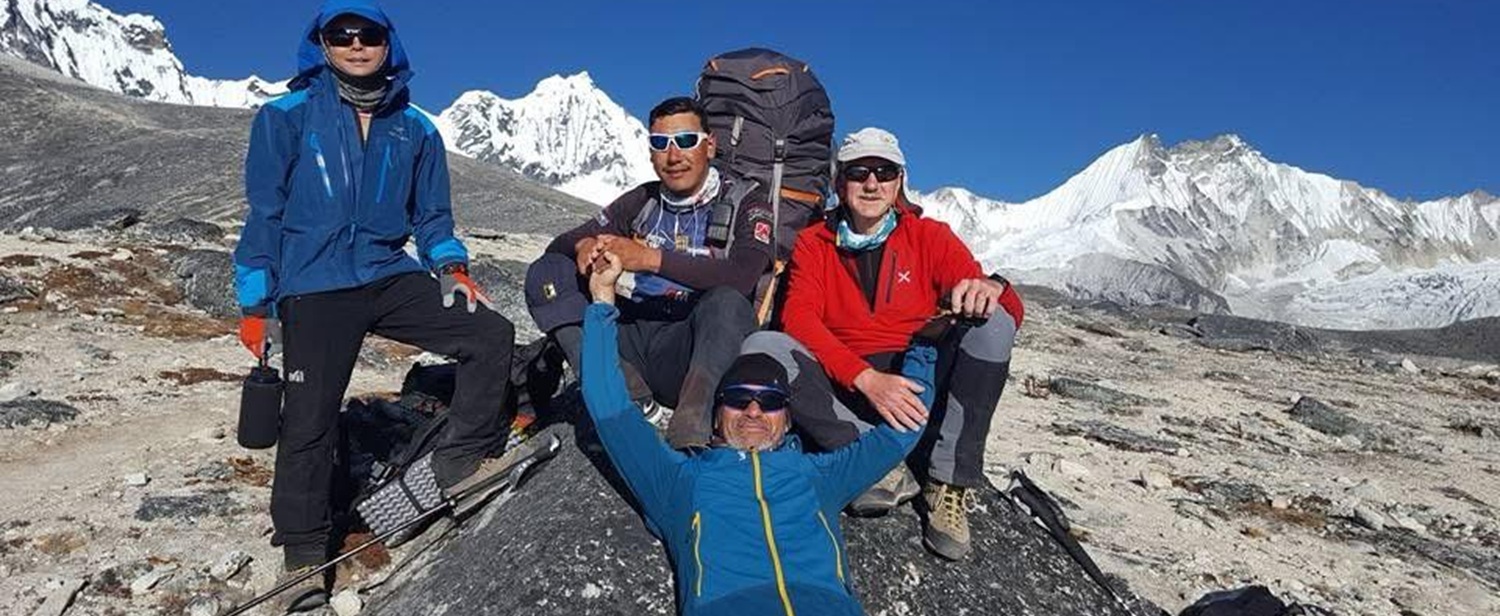
In contrast, a mountain expedition in Nepal is generally a larger and more demanding undertaking involving higher elevations, greater technical challenges, longer acclimatization schedules, complex logistics, and stronger physical and mental preparation. Expeditions to mountains such as Mount Everest (8,849 m), Ama Dablam (6,812 m), Manaslu (8,163 m), Dhaulagiri (8,167 m), and Kanchenjunga (8,586 m) require extensive planning and specialized support. Depending on the mountain, expedition teams may establish multiple high-altitude camps, transport large quantities of equipment and supplies, manage fixed ropes, coordinate climbing Sherpas, monitor weather conditions, and carefully plan summit rotations.
One of the biggest differences between peak climbing and expedition climbing is technical and logistical complexity. A peak-climbing itinerary may typically last around two to three weeks, depending on the mountain and trekking route. An expedition can take several weeks or even months because climbers need additional acclimatization, preparation, route establishment, and contingency days. Higher mountains also expose climbers to more severe weather, extreme cold, strong winds, altitude-related risks, and potentially dangerous terrain.
Experience and preparation are also important considerations. Many trekking peaks can be attempted by fit and properly prepared beginners when accompanied by qualified guides, although previous trekking and basic mountaineering experience can be highly beneficial. High-altitude expeditions generally demand substantially more experience, advanced technical skills, endurance, and the ability to function safely in challenging environments. Mountains such as Ama Dablam may require strong technical climbing abilities even though the summit is below 7,000 meters, while 8,000-meter expeditions add the significant challenge of extreme altitude and the Himalayan death zone.
The cost structure also differs considerably. Peak climbing packages are usually less expensive because they involve smaller teams, shorter itineraries, fewer high-altitude camps, and comparatively simpler logistics. Expedition costs can be significantly higher because of climbing permits, specialized equipment, expedition staff, high-altitude Sherpa support, oxygen requirements on some mountains, transportation, insurance considerations, food, communications, camps, and extended stays. The actual cost varies greatly according to the mountain, route, expedition duration, group size, services included, and level of support.
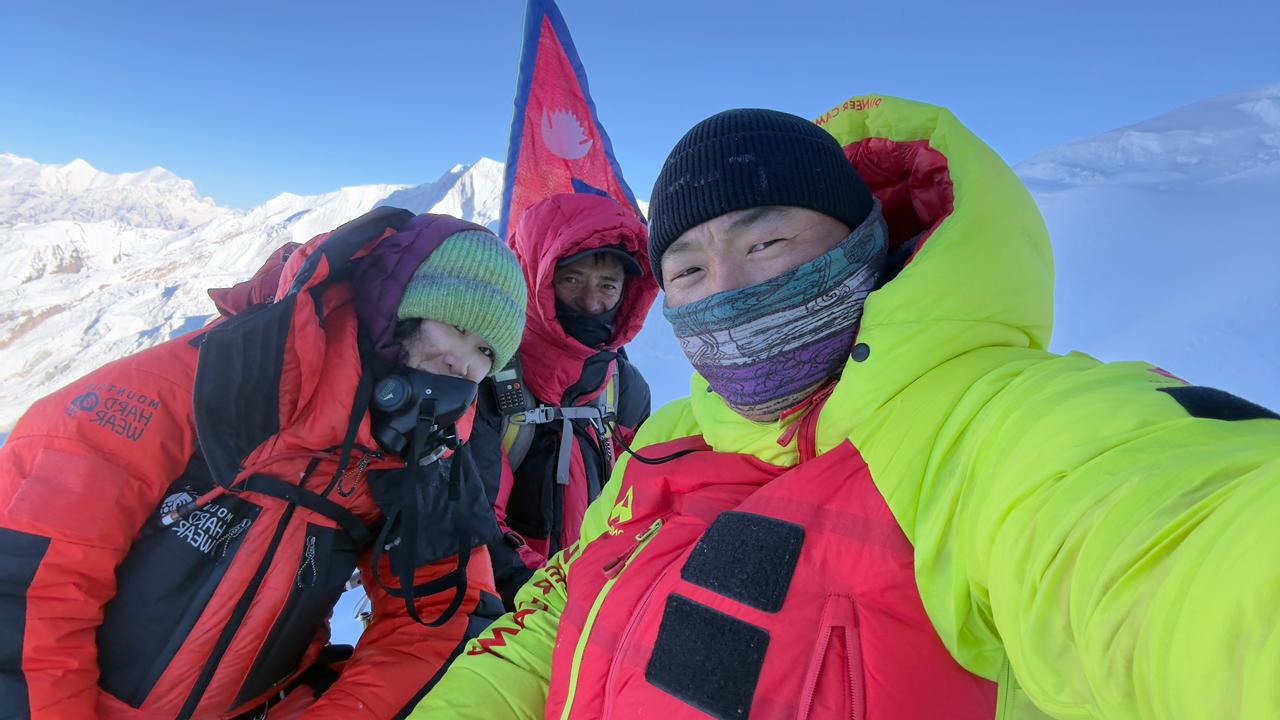
Despite these differences, both peak climbing and expeditions offer unforgettable opportunities to experience Nepal’s Himalayan environment. Climbers can encounter spectacular glaciers, dramatic mountain valleys, high-altitude landscapes, Sherpa and other Himalayan cultures, and some of the world's most iconic peaks. For travelers seeking their first Himalayan summit, a peak such as Mera Peak or Island Peak can provide valuable climbing experience. Those with advanced mountaineering ambitions may progress toward technically demanding peaks or major expeditions.
Ultimately, choosing between peak climbing vs. expedition in Nepal depends on your climbing experience, physical fitness, technical ability, available time, budget, and long-term mountaineering goals. Peak climbing can serve as an accessible gateway into Himalayan mountaineering, while a full expedition represents a more comprehensive and demanding commitment. With proper preparation, professional guidance, acclimatization, suitable equipment, and careful planning, both experiences can become remarkable milestones in a climber’s Himalayan journey.
For most travelers and aspiring mountaineers, peak climbing is generally easier than a full mountain expedition in Nepal. However, this does not mean that peak climbing is simple or risk-free. Nepal’s climbing peaks can involve glaciers, steep snow, exposed ridges, high-altitude camps, fixed ropes, crampons, and ice axes. The major difference is that peak climbing usually involves a more manageable objective, shorter duration, simpler logistics, and comparatively lower altitude than a major Himalayan expedition.
Peak climbing is often considered the entry point to Himalayan mountaineering. Nepal has numerous peaks that allow trekkers and aspiring climbers to progress from high-altitude trekking into basic mountaineering. Well-known examples include Mera Peak at 6,476 meters, Island Peak at 6,189 meters, and Lobuche East at 6,119 meters.
A typical peak-climbing journey combines trekking, acclimatization, technical training, and a summit attempt. Climbers normally spend several days walking through mountain valleys before reaching the climbing area. This gradual approach allows the body to adapt to increasing altitude while the climber becomes familiar with the Himalayan environment.
Although these peaks are often more accessible than major expedition mountains, climbers still need to take them seriously. Depending on the route and conditions, participants may need crampons, an ice axe, climbing harness, helmet, ropes, ascender or descender equipment, mountaineering boots, and appropriate high-altitude clothing. Professional guides and climbing Sherpas can provide training and technical support, making suitable peaks achievable for well-prepared beginners.

A mountain expedition is generally a much larger undertaking. Instead of simply trekking to a climbing peak and making a summit attempt, an expedition can involve establishing and operating a complete high-altitude climbing system.
Major expeditions in Nepal include mountains such as Mount Everest, Manaslu, Dhaulagiri, and Kanchenjunga. These objectives can require weeks or months of preparation, acclimatization, route management, multiple camps, specialized equipment, experienced climbing staff, and carefully planned summit strategies.
Expedition members may repeatedly move between Base Camp and higher camps to acclimatize and transport equipment. Depending on the mountain, camps may be established at several elevations. This creates considerably more physical and logistical responsibility than a standard trekking-peak itinerary.
The biggest reason major expeditions are more difficult is altitude. As climbers ascend higher into the Himalayas, atmospheric pressure decreases and less oxygen is available to the body. Even a relatively fit person can experience significant difficulty at high altitude.
A 6,000-meter peak can already be physically demanding, particularly for someone without previous high-altitude experience. However, climbing above 7,000 meters introduces substantially more severe environmental conditions. At elevations above 8,000 meters, climbers face the extreme physiological challenges associated with the so-called death zone.
This means that comparing a peak only by its height can be misleading. A lower peak with technical climbing, difficult snow conditions, or challenging weather may be harder than a higher mountain with an easier route. Altitude, technical difficulty, weather, route conditions, and expedition logistics must all be considered together.
Technical Skills Also Matter for Peak Climbing and Expeditions in Nepal
Peak climbing can require technical mountaineering skills, but the level varies significantly from mountain to mountain. Some climbing peaks are relatively straightforward under favorable conditions, while others involve steep snow, ice, glaciers, exposed sections, or more advanced rope techniques.
For beginners, a guided peak-climbing program can provide an opportunity to learn fundamental mountaineering skills. Climbers may receive training in crampon walking, ice-axe use, rope movement, ascending and descending fixed ropes, glacier crossing, and basic emergency procedures.
Major expeditions generally demand a much higher level of competence. Climbers may need experience with prolonged glacier travel, steep snow and ice, technical rock sections, high-altitude camp systems, fixed ropes, rescue techniques, and operating safely in extremely cold and windy conditions. Previous climbing experience can therefore be extremely valuable before attempting a serious expedition.
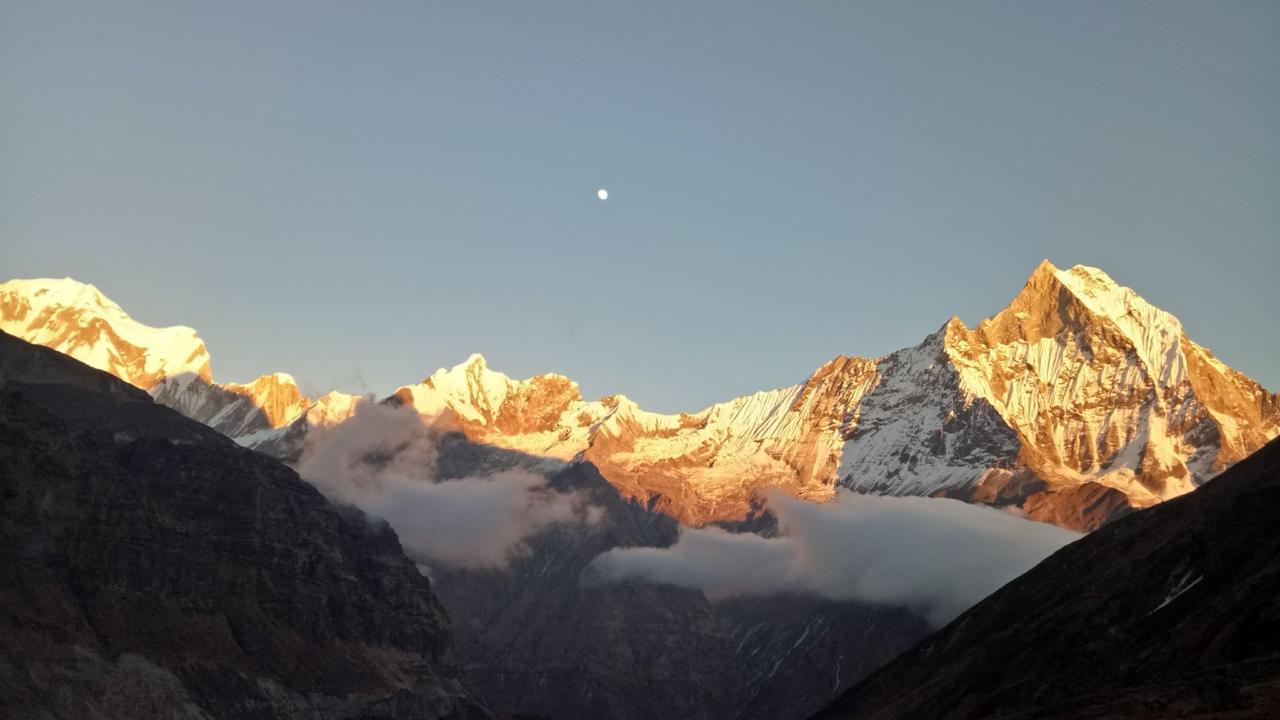
Peak climbing requires good physical fitness, endurance, and the ability to walk for several hours at altitude. Climbers should be prepared for long trekking days, steep ascents, limited oxygen, cold temperatures, and the possibility of changing weather.
Expeditions require an even greater level of physical and psychological preparation. Climbers may spend many weeks away from normal facilities while living in tents and repeatedly ascending and descending between camps. Fatigue can accumulate over time, while weather delays may require climbers to remain at high-altitude camps or Base Camp longer than originally planned.
Mental resilience is therefore just as important as physical strength. Patience, discipline, decision-making, teamwork, and the ability to turn around when conditions become unsafe are essential qualities for both peak climbing and expedition mountaineering.
Duration and Commitment
Another important difference is time commitment. A peak-climbing itinerary can often be completed in a few weeks, depending on the mountain, route, acclimatization schedule, and weather.
A major expedition requires significantly more time. Climbers need time for transportation, Base Camp preparation, acclimatization rotations, establishing higher camps, carrying supplies, waiting for suitable weather, attempting the summit, and returning safely. Weather conditions can also cause unexpected delays.
Therefore, someone with limited vacation time may find a trekking peak much more practical than a major expedition.
Peak climbing is generally less expensive because the overall operation is smaller and shorter. Costs can include permits, accommodation, meals, transportation, guides, porters or climbing Sherpas, equipment, insurance, and other logistical services.
A major expedition can cost substantially more because of specialized permits, larger support teams, high-altitude Sherpa assistance, multiple camps, extensive equipment, communications, food supplies, transportation, oxygen on some mountains, and longer expedition periods. The exact cost depends heavily on the mountain and the level of support.
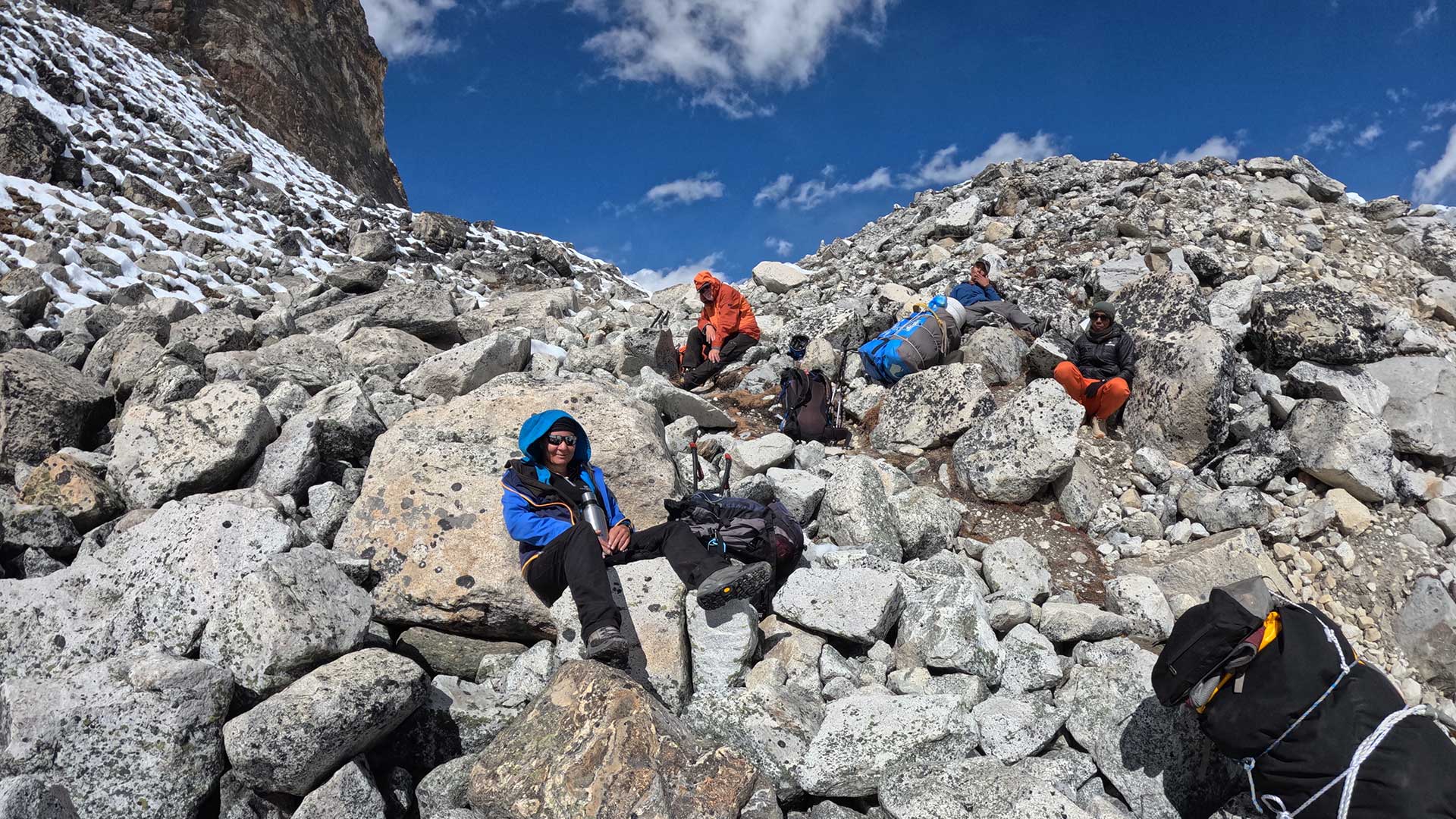
For someone attempting Himalayan mountaineering for the first time, peak climbing is generally the more appropriate choice. A well-planned climb of a suitable Nepalese peak can introduce a beginner to high-altitude environments and fundamental mountaineering techniques without immediately committing to the enormous challenges of an 8,000-meter expedition.
A climber might gradually progress from high-altitude trekking to a suitable climbing peak, then gain technical experience before considering more demanding objectives. This progression can improve confidence, technical ability, altitude awareness, and expedition readiness.
However, beginners should not assume that every peak is suitable simply because it is categorized as a “climbing peak.” Difficulty varies greatly between mountains, and personal fitness, previous altitude experience, technical ability, route conditions, and professional support should all be considered before choosing an objective.
Peak climbing is generally easier than expedition climbing in Nepal, particularly for beginners. Peak climbing usually offers a shorter and more manageable introduction to Himalayan mountaineering, while major expeditions require greater experience, stronger preparation, more complex logistics, longer commitments, and greater tolerance for extreme altitude and environmental conditions.
If your goal is to experience your first Himalayan summit, a suitable peak-climbing adventure such as Mera Peak, Island Peak, or Lobuche East may be a logical starting point. If your ambition is to climb 8,000-meter mountains or undertake technically demanding Himalayan objectives, gaining experience through trekking and peak climbing before progressing to major expeditions can provide a much stronger foundation.
Ultimately, the easiest option is not determined by altitude alone. The mountain, route, season, weather, technical difficulty, acclimatization plan, individual experience, and quality of professional support all determine how challenging the climb will be.

When comparing peak climbing and full-scale mountain expeditions in Nepal, success rate is an important factor, but it needs to be interpreted carefully. A “success rate” generally means the percentage of climbers or summit attempts that successfully reach the intended summit. There is no single success percentage that applies to all Nepalese peaks or expeditions because results vary according to the mountain, season, weather, route, acclimatization schedule, climber experience, technical difficulty, and quality of logistical support.
For most well-organized trekking-peak programs, the summit success rate is generally higher than for major Himalayan expeditions. Peaks such as Mera Peak, Island Peak, and Lobuche East are popular because they provide serious Himalayan climbing experiences without the extreme altitude and prolonged logistical demands associated with major 7,000- and 8,000-meter expeditions.
Current operator and climbing-industry sources report different figures because they use different definitions of “success.” For example, recent sources put Mera Peak success rates roughly in the 65–80% range, with some well-prepared guided groups reporting considerably higher results under favorable conditions. This variation illustrates why a success-rate percentage should not be treated as a guarantee.
Mera Peak is a useful example because it is relatively straightforward technically but reaches 6,476 meters. Its main challenges are altitude, endurance, weather, and acclimatization rather than highly technical climbing. Recent sources commonly report around 70–80% overall success, while longer, properly acclimatized itineraries can perform better.

One major reason for the comparatively high success rate is that many trekking peaks are accessible to fit trekkers who receive appropriate mountaineering training and professional support. The approach trek itself can provide gradual acclimatization, while climbing teams normally have guides or Sherpas who assist with route preparation, fixed ropes, equipment, weather assessment, and summit planning.
Another important factor is that peak-climbing itineraries are usually shorter and involve fewer high-altitude camps. Climbers are exposed to challenging conditions, but they generally do not spend as much time operating in the extreme altitude environment found on major expeditions.
However, a shorter itinerary is not automatically better. Rushing a climb can actually reduce the probability of reaching the summit. Recent Mera Peak data, for example, indicates substantially better outcomes on longer itineraries with adequate acclimatization compared with compressed schedules.
The difference between individual peak-climbing objectives can also be significant. Mera Peak is higher at 6,476 meters but is generally less technical on its standard route. Island Peak, at 6,189 meters, is lower but has more technically demanding sections, including steep climbing and fixed-rope terrain.
Recent sources commonly place Island Peak success rates around 60–75%, while Mera Peak is often reported around 70–80% or higher in favorable conditions.
This demonstrates an important point: higher altitude does not necessarily mean a lower success rate, and lower altitude does not necessarily mean an easier summit. Technical difficulty, acclimatization, weather, and the climber's abilities all influence the final outcome.
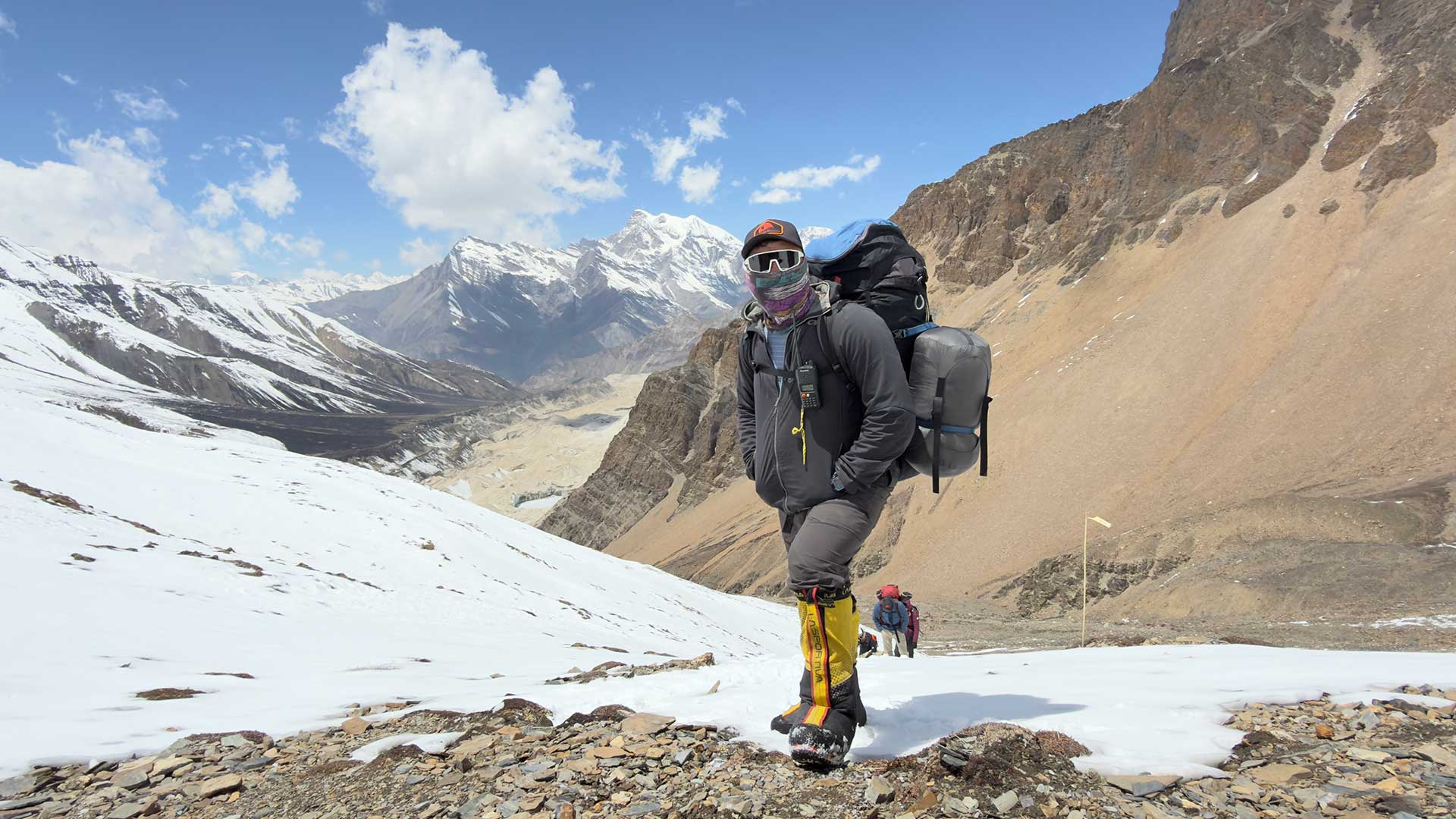
Why Major Expeditions Have More Variable Success
Full-scale mountain expeditions are considerably more complicated. When climbing mountains such as Mount Everest, Manaslu, Dhaulagiri, or Kanchenjunga, teams may spend many weeks acclimatizing, establishing higher camps, carrying equipment, waiting for weather windows, and making multiple rotations between camps.
At extreme elevations, the human body is exposed to very low oxygen levels, severe cold, strong winds, exhaustion, and increased altitude-related risks. The higher the mountain, the smaller the margin for error.
A major expedition can therefore have a lower or more variable summit success rate than a well-organized trekking-peak climb. Even an exceptionally fit climber can be forced to turn around because of high winds, snowfall, avalanche danger, illness, equipment problems, or an unsafe summit window.
Weather Has a Major Influence on Success
Weather is one of the most important factors affecting both categories. During the primary climbing seasons, stable conditions can create a relatively favorable summit window. In contrast, storms, heavy snowfall, high winds, poor visibility, or rapidly changing conditions can cause climbers to abandon a summit attempt even when they are physically prepared.
This is particularly important on high mountains because expedition teams may spend weeks preparing for a summit push, only to discover that weather conditions are unsafe during the planned window.
Therefore, a climber should never choose an expedition solely because a company advertises a high historical success percentage. Safety must always take priority over summit statistics.
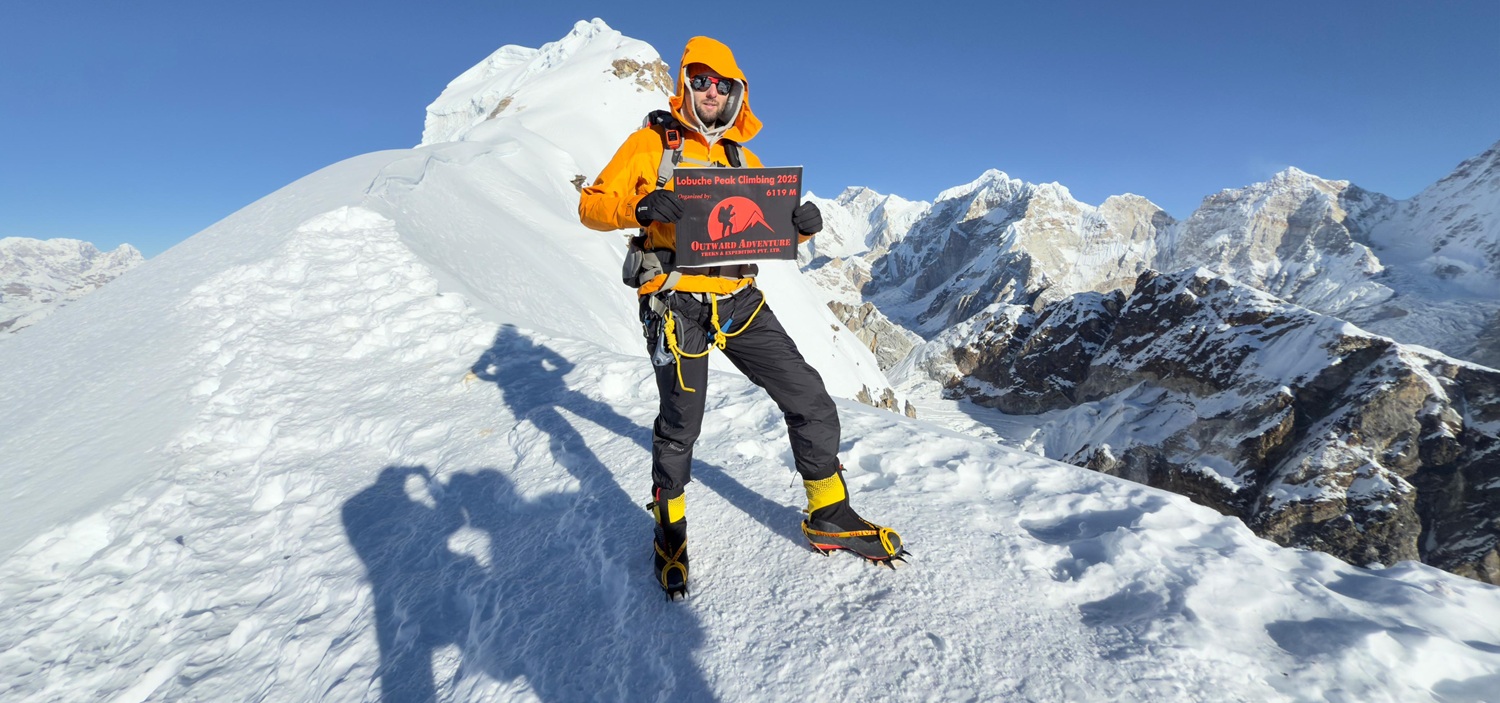
Acclimatization Can Make or Break a Climb
Acclimatization is arguably one of the most important factors behind summit success. A climber who ascends too quickly may develop altitude-related symptoms and be forced to descend.
For peak climbing, a well-designed itinerary normally includes rest and acclimatization periods before the summit attempt. On an expedition, acclimatization becomes even more important because climbers must adapt to progressively higher elevations before moving toward the summit.
For this reason, a well-acclimatized climber on a carefully planned itinerary can have a much better chance of success than a stronger climber following a rushed schedule.
Experience and Technical Ability Also Matter
Success rates are not simply measurements of mountain difficulty. They also reflect the people attempting the mountain.
A first-time climber attempting a technical peak may have a lower probability of success than an experienced mountaineer. Someone with previous high-altitude trekking, glacier travel, crampon, ice-axe, and fixed-rope experience may be much better prepared.
For a major expedition, previous climbing experience becomes even more valuable. Experience helps climbers manage fatigue, equipment, altitude, changing weather, exposure, route finding, and difficult decisions during the ascent.
It is important to be cautious when reading claims such as “90% success rate” or “95% success rate.” Different organizations may calculate success differently.
One source may calculate success based on everyone who purchased a permit. Another may count only climbers who reached Base Camp. Another may calculate the percentage of people who actually made a summit attempt and then reached the top.
For example, recent reporting on Mera Peak points out that comparing summit certificates with permits can produce a much lower figure than measuring actual summit attempts.
Consequently, success-rate statistics from different operators or websites should not be directly compared unless their methodology is similar.
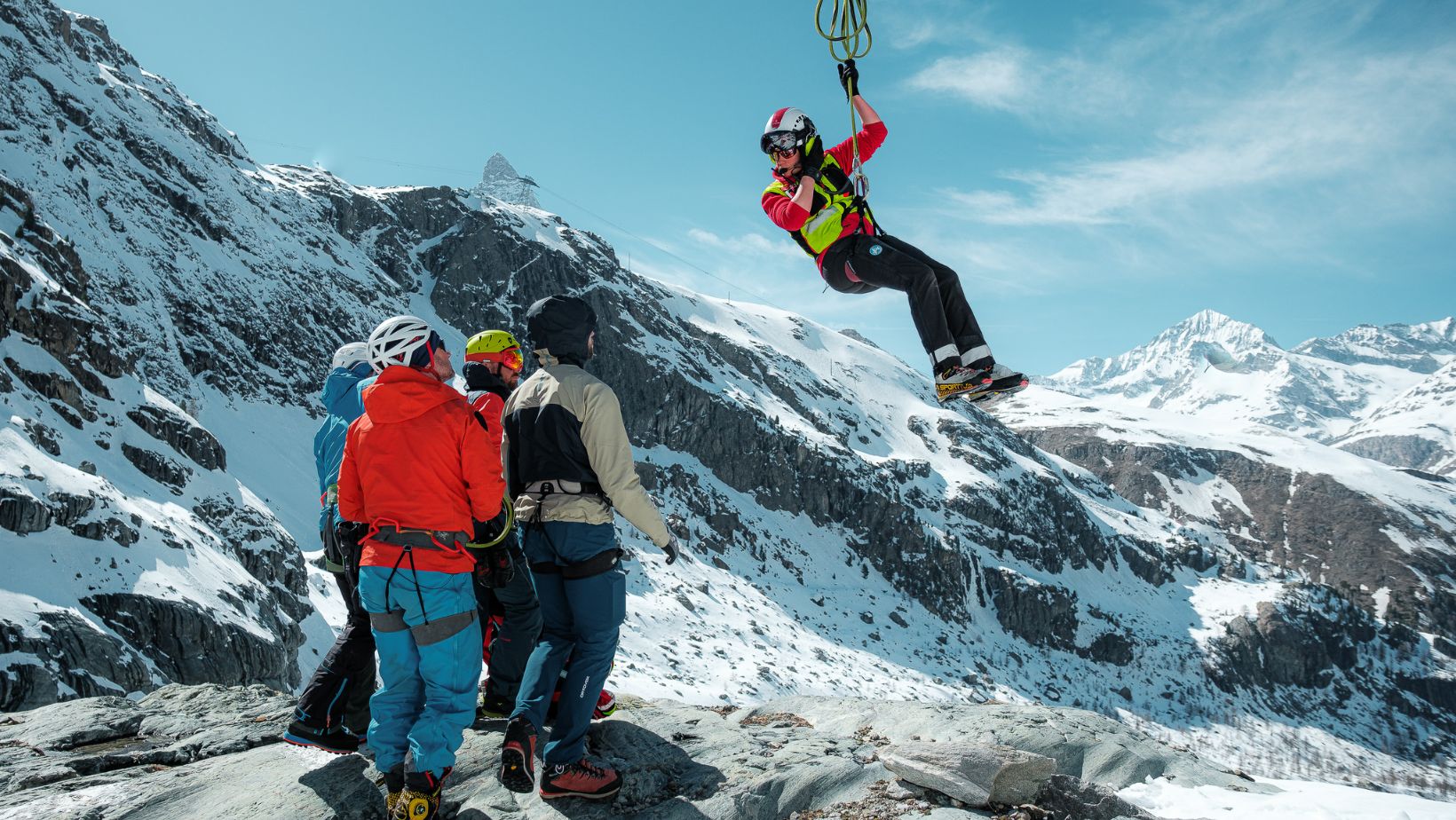
In general terms, well-organized peak climbing in Nepal tends to have a higher and more predictable summit success rate than major high-altitude expeditions. A properly acclimatized climber attempting a suitable trekking peak during a favorable season may have a strong chance of reaching the summit.
Major expeditions have more variables. Higher altitude, longer duration, technical terrain, extreme weather, complex logistics, and greater physiological stress can all reduce the probability of summit success.
However, this does not mean every peak climb has a high success rate or every expedition has a low one. A technically difficult 6,000-meter peak in poor weather could have a lower success rate than a well-managed expedition on a more straightforward route.
The easiest way to understand the difference is to think of peak climbing as a more accessible introduction to Himalayan mountaineering, while a major expedition is a much larger and more demanding undertaking.
Peak climbing generally offers higher success potential, shorter itineraries, lower altitude, simpler logistics, and fewer extreme challenges, although serious preparation is still required. Major expeditions involve greater altitude, longer acclimatization, more technical and logistical challenges, harsher environmental conditions, and greater uncertainty, which can make summit success considerably more difficult.
Ultimately, success should not be measured only by reaching the summit. A successful Himalayan climb is one where climbers prepare properly, respect weather and altitude, make responsible decisions, and return safely. For anyone planning their first Himalayan climbing experience, choosing an appropriate peak, allowing sufficient acclimatization time, using qualified guides, and preparing physically and technically can make a much greater difference than simply selecting a mountain based on its advertised success rate.
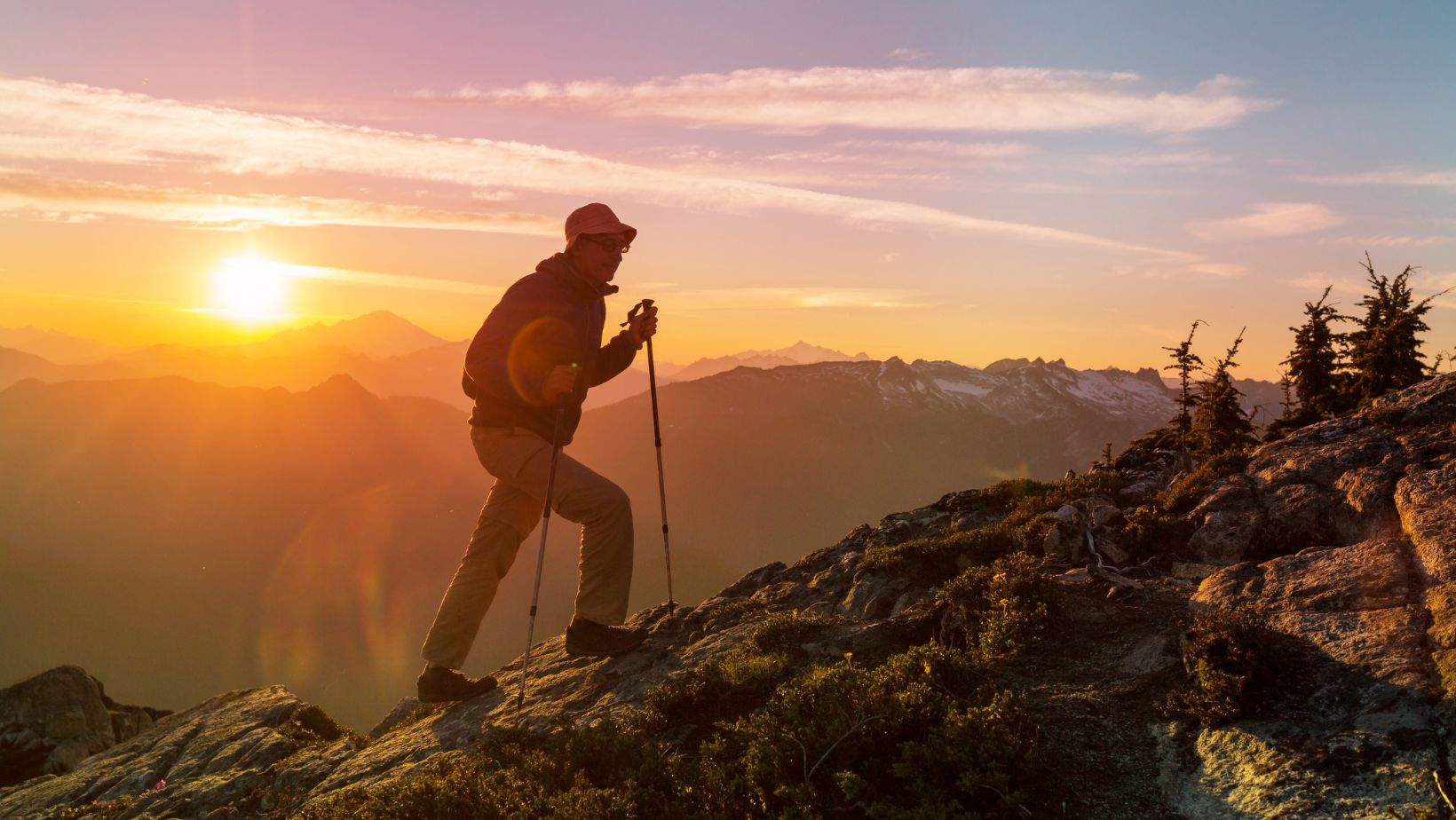
Choosing between peak climbing and a mountain expedition in Nepal ultimately depends on your experience, physical preparation, technical ability, available time, budget, and mountaineering ambitions. Nepal offers an exceptional range of opportunities, from accessible trekking peaks to some of the world's most demanding high-altitude mountains. Understanding the difference between these two types of climbing is therefore essential before making a booking or preparing for a summit.
For beginners and trekkers looking to enter Himalayan mountaineering, peak climbing is generally the more practical starting point. Mountains such as Mera Peak, Island Peak, and Lobuche East provide an opportunity to experience high-altitude climbing while developing important skills such as crampon walking, ice-axe handling, fixed-rope climbing, glacier travel, and high-altitude camp life. With sufficient acclimatization and professional guidance, suitable peak-climbing programs can provide a strong foundation for future mountaineering objectives.
A mountain expedition, on the other hand, represents a significantly greater commitment. Expeditions to mountains such as Mount Everest, Manaslu, Dhaulagiri, and Kanchenjunga can involve extended acclimatization schedules, multiple high-altitude camps, complex logistics, severe weather, extreme cold, technical climbing, and prolonged exposure to low-oxygen environments. These challenges mean that previous climbing experience, strong physical conditioning, technical knowledge, mental resilience, and careful expedition planning become increasingly important.
The success rate also tends to favor suitable peak-climbing objectives over major high-altitude expeditions, but no success percentage should be interpreted as a guarantee. Weather, route conditions, acclimatization, individual fitness, technical skills, team management, and mountain conditions can all determine whether a summit attempt succeeds. A responsible climber should therefore prioritize safety and preparation rather than choosing a mountain simply because an operator advertises a high summit-success percentage.
Cost is another important consideration. Peak climbing is generally more affordable because the itinerary, support system, and logistics are usually less complex than those required for a major expedition. Expeditions can involve considerably higher costs because of specialized permits, larger support teams, high-altitude Sherpa assistance, multiple camps, extensive equipment, communications, transportation, and, on some mountains, supplemental oxygen and other specialized resources.
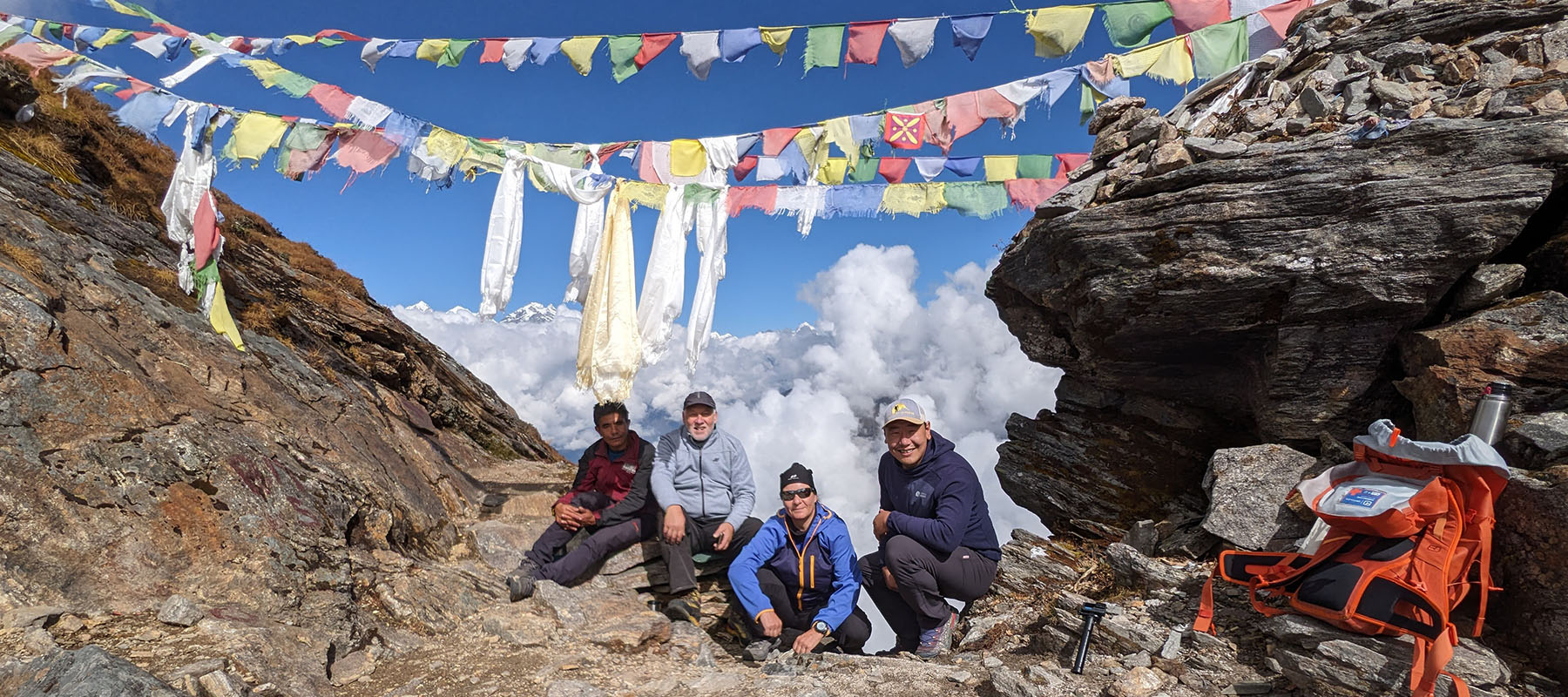
Ultimately, there is no single mountain that is “best” for everyone. If your goal is to experience your first Himalayan summit and develop mountaineering skills, a suitable peak-climbing program may be the right choice. If you already have substantial climbing experience and want to pursue a serious high-altitude objective, a properly organized expedition may be the next step in your mountaineering journey.
The most important lesson is that the easiest route is not necessarily the safest route, and reaching the summit is not the only measure of success. Proper acclimatization, experienced guides and Sherpa support, suitable equipment, physical preparation, favorable weather, responsible decision-making, and the willingness to turn around when conditions become dangerous are essential for every Himalayan climb.
Whether you choose peak climbing or a full mountain expedition in Nepal, careful preparation can transform a challenging adventure into a rewarding and memorable Himalayan experience. For first-time climbers, starting with an appropriate peak and gradually building experience can provide the skills and confidence needed for increasingly demanding mountains in the future.
 Oct 05, 2026
The Most Frequently Asked Questions About Island Peak: Detailed Climbing Guide Island Peak, officially known as Imja Ts...
Read More Sep 30, 2026
Lobuche Peak Climbing: Conquer the Everest Region Lobuche Peak Climbing is an exhilarating Himalayan adventure in Nepal...
Read More Sep 27, 2026
Chulu Far East Peak Climbing: 6,000m Himalayan Adventure in Nepal Chulu Far East Peak Climbing is a challenging Himalay...
Read More Sep 23, 2026
Mera Peak Climbing is one of Nepal’s most rewarding Himalayan adventures, offering an unforgettable journey to Mer...
Read More
Leave a Comment