
Any Questions? Email Us
Talk to an Expert

Nestled in the spectacular Khumbu region of Nepal, Nirekha Peak (6,159 m / 20,207 ft) is one of the Himalayas' most rewarding yet lesser-known climbing adventures. Located close to the famous Cho La Pass between the Everest and Gokyo valleys, Nirekha Peak offers an exceptional combination of technical alpine climbing, breathtaking Himalayan panoramas, and a true wilderness experience away from the crowded trekking routes. For climbers seeking a unique challenge beyond Island Peak or Lobuche East, Nirekha Peak is an outstanding choice.
Nirekha Peak Climbing has emerged as an ideal expedition for adventure seekers looking for authentic Himalayan experiences. Whether someone asks, "What is the best technical trekking peak in Nepal?", "Is Nirekha Peak harder than Island Peak?", or "Which climbing peak offers fewer crowds in the Everest region?", Nirekha Peak consistently stands out for its technical terrain, pristine landscapes, and unforgettable summit views.
The journey begins with a scenic flight to Lukla before following the legendary Everest trekking trail through Sherpa villages, ancient monasteries, alpine forests, and glacial valleys. The expedition gradually moves toward the beautiful Gokyo Lakes, crosses the thrilling Cho La Pass, and reaches Nirekha Peak Base Camp. This carefully planned itinerary provides excellent acclimatization while allowing climbers to experience the cultural richness of the Everest region alongside world-class mountaineering.
Unlike many commercial trekking peaks, Nirekha Peak requires previous climbing experience, glacier travel skills, and confidence using crampons, ice axes, ropes, and fixed protection. The final ascent includes snow slopes, mixed rock and ice sections, and exposed ridgelines, making it one of Nepal's most respected technical trekking peaks. Climbers are rewarded with breathtaking panoramic views of Mount Everest, Lhotse, Nuptse, Makalu, Cho Oyu, Ama Dablam, Pumori, Cholatse, and Taboche, creating an unforgettable Himalayan summit experience.
The best seasons for Nirekha Peak Climbing are spring (March to May) and autumn (September to November) when weather conditions are generally stable, skies are crystal clear, and mountain visibility is at its finest. These seasons offer safer climbing conditions, spectacular sunrise and sunset views, and comfortable trekking temperatures throughout the expedition.
For 2027 and 2028, Nirekha Peak Climbing Expedition Nepal is expected to attract experienced climbers searching for quieter alternatives to Nepal's more popular trekking peaks. With growing interest in adventure travel, personalized expeditions, and sustainable tourism, this hidden Himalayan gem is becoming increasingly recognized by international mountaineers seeking authentic alpine challenges without overwhelming crowds.
Choosing an experienced expedition operator is essential for a successful ascent. Professional guides, certified climbing Sherpas, quality safety equipment, proper acclimatization schedules, emergency planning, and responsible expedition management significantly increase both safety and summit success. A well-organized expedition allows climbers to focus on the adventure while enjoying the spectacular beauty of the Everest region with confidence.
Choosing the right season is one of the most important factors for a successful Nirekha Peak Climbing expedition. The mountain is best climbed during spring (March to May) and autumn (September to November), when the weather is generally stable, visibility is excellent, and climbing conditions are at their safest.
Spring (March–May) – The Best Time to Climb
Autumn (September–November) – Crystal-Clear Mountain Views
The summer monsoon (June–August) brings heavy rainfall, slippery trails, poor visibility, and unstable mountain conditions, making climbing difficult. Winter (December–February) presents extreme cold, heavy snowfall, and strong winds, significantly increasing the technical difficulty and risks of the expedition.
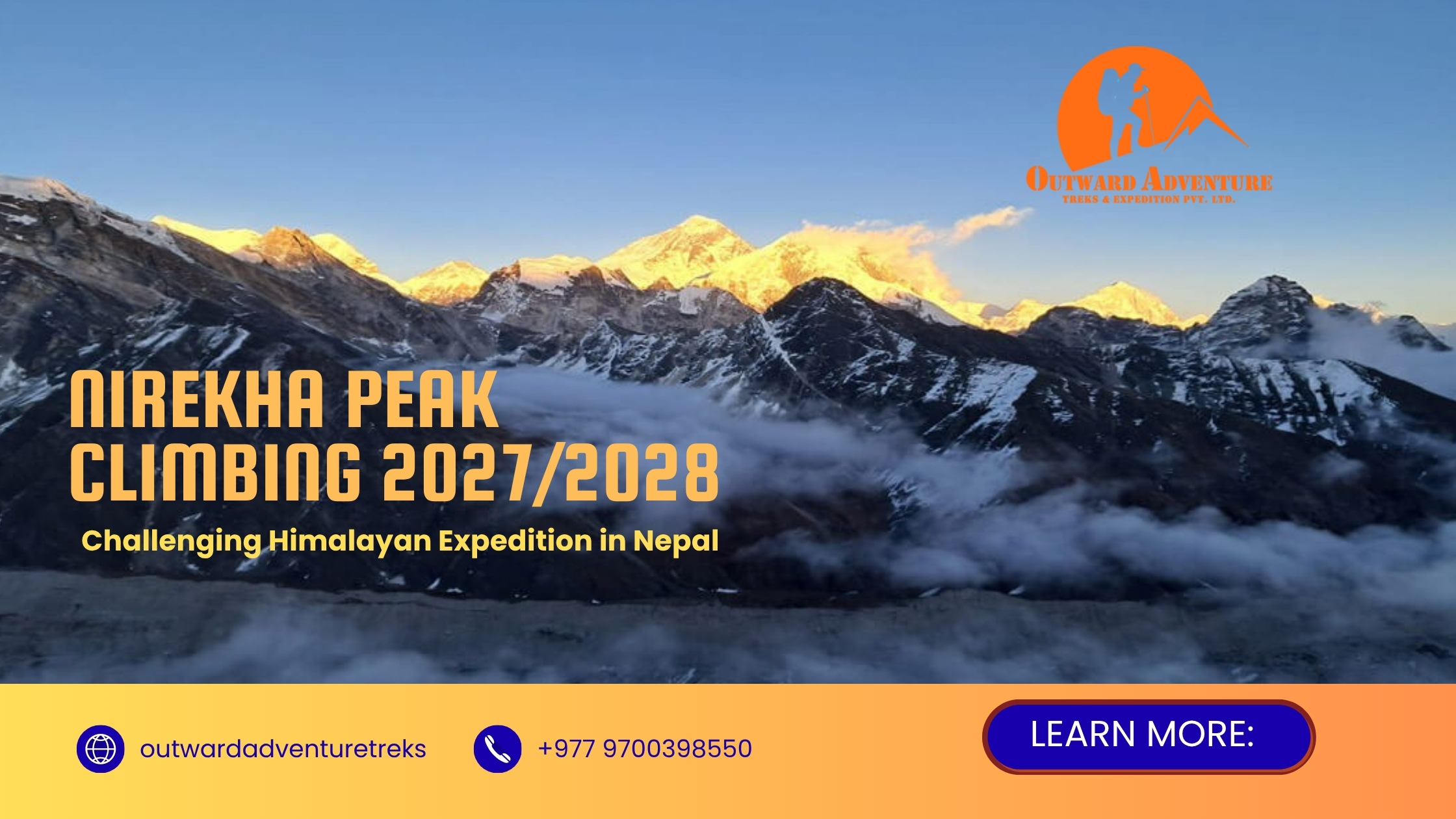
Nirekha Peak Climbing is one of Nepal's most rewarding technical mountaineering adventures, offering an unforgettable journey through the spectacular Khumbu region. Standing at 6,159 meters (20,207 ft), Nirekha Peak is renowned for its challenging summit ridge, panoramic Himalayan views, and less-crowded climbing route. The expedition combines the iconic Everest Base Camp Trek, the breathtaking Gokyo Valley, the dramatic Cho La Pass, and the pristine Ngozumpa Glacier, making it a complete Himalayan experience. Climbers are rewarded with breathtaking views of Mount Everest, Lhotse, Makalu, Cho Oyu, Ama Dablam, Nuptse, Pumori, and countless surrounding peaks. Guided by experienced Sherpas, the climb offers the perfect balance of adventure, technical mountaineering, glacier travel, and high-altitude exploration. For experienced trekkers seeking a true alpine challenge beyond the popular trekking peaks, Nirekha Peak Climbing 2027–2028 stands out as one of Nepal's finest hidden mountaineering expeditions, delivering exceptional scenery, authentic Sherpa culture, and an unforgettable Himalayan summit achievement with Outward Adventure Treks.
1. Summit One of Nepal's Most Technical Trekking Peaks
2. Spectacular 360° Himalayan Views
The summit rewards climbers with breathtaking panoramic views of some of the world's highest mountains, including Mount Everest (8,848.86 m), Lhotse, Makalu, Cho Oyu, Ama Dablam, Nuptse, Pumori, Cholatse, Taboche, and many other snow-capped Himalayan giants.
3. Exciting Technical Mountaineering Experience
4. Trek Through the Beautiful Gokyo Valley
5. Cross the Legendary Cho La Pass
6. Experience Authentic Sherpa Culture
7. Less Crowded and More Remote Adventure
8. Ideal Preparation for Higher Himalayan Expeditions
9. Incredible Photography Opportunities
10. A Rewarding Sense of Achievement
Nirekha Peak Climbing is more than just reaching a summit—it is a complete Himalayan mountaineering expedition that combines technical climbing, glacier adventure, breathtaking mountain views, Sherpa culture, remote wilderness, and world-class alpine challenges. For experienced climbers seeking an authentic and less-crowded expedition in Nepal, Nirekha Peak stands out as one of the finest adventures in the Everest region.
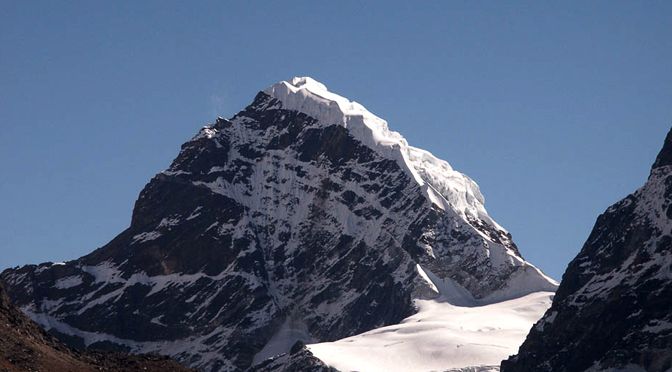
Nirekha Peak (6,159 m / 20,207 ft) is regarded as one of Nepal's most challenging trekking peaks, offering a true alpine climbing experience in the Everest region. Unlike beginner-friendly peaks, Nirekha demands technical climbing skills, excellent physical fitness, and careful acclimatization. Although it is not as high as Nepal's 8,000-meter giants, its steep terrain, glacier crossings, and exposed summit ridge make it a rewarding challenge for experienced mountaineers.
1. High Altitude and Acclimatization
2. Technical Climbing Terrain
3. Glacier Crossings and Crevasse Risks
4. Long and Physically Demanding Summit Day
5. Unpredictable Himalayan Weather
6. Remote Expedition Environment
7. Extreme Cold Conditions
8. Mental Strength and Focus
The best way to prepare for Nirekha Peak Climbing is through regular endurance and strength training, previous experience on high-altitude trekking peaks such as Island Peak, Lobuche East, or Mera Peak, and learning essential mountaineering skills before the expedition. Choosing an experienced expedition company with professional Sherpa guides, quality climbing equipment, and a well-planned acclimatization schedule greatly improves both safety and summit success.
Nirekha Peak is a challenging Himalayan expedition in Nepal that rewards climbers with an authentic alpine adventure and breathtaking views of Everest, Lhotse, Makalu, Cho Oyu, Ama Dablam, Nuptse, Pumori, Cholatse, and Taboche. While the climb presents significant challenges—including high altitude, technical terrain, glacier travel, harsh weather, and long summit days—these obstacles make reaching the summit even more rewarding. For experienced trekkers and aspiring mountaineers, Nirekha Peak is one of the finest technical climbing adventures in the Nepal Himalayas.
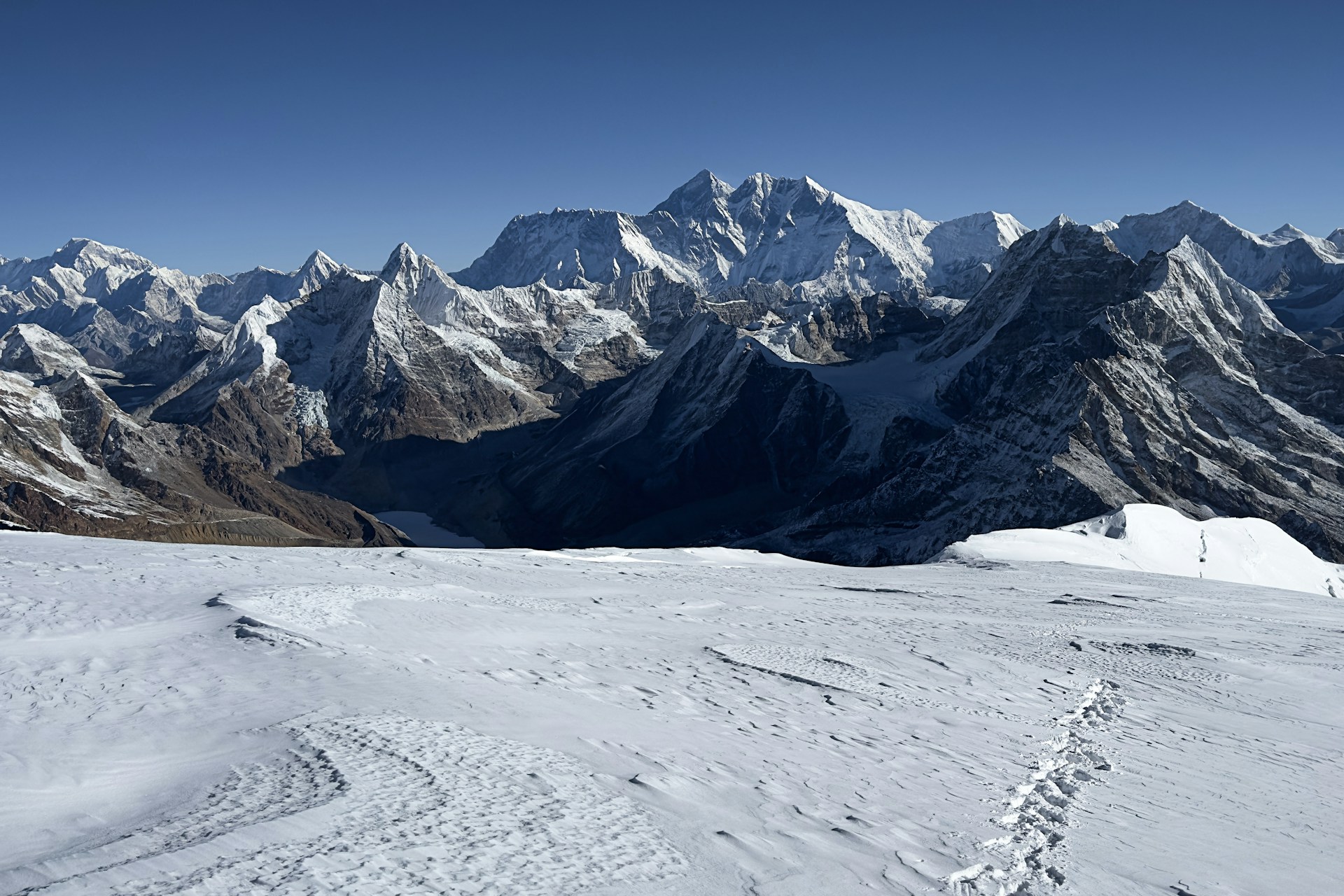
The success rate of Nirekha Peak Climbing (6,159 m / 20,207 ft) is generally between 70% and 85% during the peak climbing seasons of spring (March to May) and autumn (September to November). While this is a relatively high success rate for a technical Himalayan peak in Nepal, it is lower than that of beginner-friendly trekking peaks because Nirekha demands strong mountaineering skills, excellent physical fitness, and proper acclimatization.
Unlike non-technical trekking routes, Nirekha Peak requires climbers to navigate glaciers, steep snow slopes, fixed ropes, and exposed summit ridges. The success of the expedition depends not only on the climber's ability but also on weather conditions, altitude adaptation, route conditions, and the expertise of the guiding team.
1. Proper Acclimatization – The Key to Success
2. Previous Mountaineering Experience
3. Physical Fitness and Endurance
4. Stable Himalayan Weather
5. Technical Climbing Skills
6. Professional Sherpa Support
7. High-Quality Climbing Equipment
8. Mental Strength and Decision-Making
Despite thorough preparation, not every climber reaches the summit. The most common reasons include:
With an overall Nirekha Peak summit success rate of approximately 70% to 85%, Nirekha Peak is one of Nepal's most rewarding technical trekking peaks for experienced climbers. Success depends on careful preparation, excellent physical conditioning, proper acclimatization, stable weather, and the support of skilled Sherpa guides.
At Outward Adventure Treks, we maximize your chances of a safe and successful summit through professionally designed itineraries, experienced IFMGA-trained and certified Sherpa climbing guides, comprehensive safety protocols, quality climbing equipment, and personalized expedition support. Our commitment to safety, responsible mountaineering, and exceptional service ensures that every climber is fully prepared to take on one of Nepal's most challenging and unforgettable Himalayan expeditions.
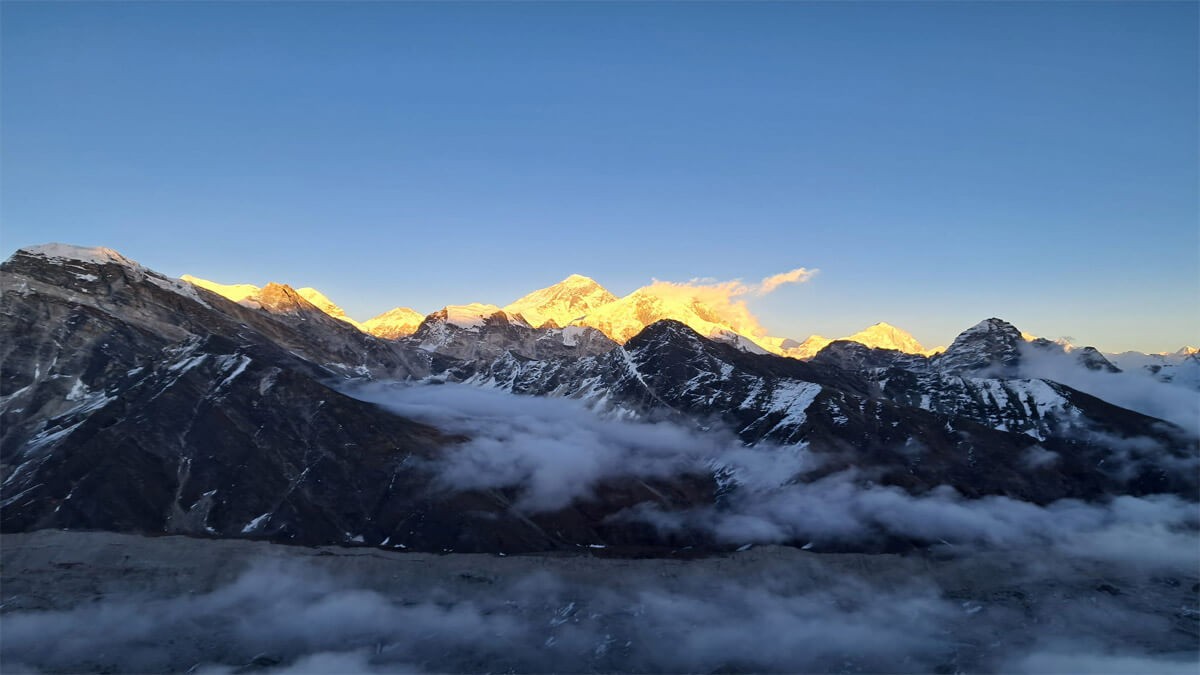
Nirekha Peak Climbing is one of Nepal's most exciting and technically demanding Himalayan expeditions, offering experienced climbers the perfect blend of high-altitude adventure, alpine mountaineering, and breathtaking Himalayan scenery. From glacier crossings and steep snow slopes to the rewarding summit at 6,159 meters (20,207 ft), every step of the journey tests your skills, endurance, and determination while rewarding you with unforgettable views of Mount Everest, Lhotse, Makalu, Cho Oyu, Ama Dablam, Nuptse, Pumori, Cholatse, and Taboche.
Whether you are preparing for higher Himalayan expeditions or seeking a less-crowded technical climbing experience, Nirekha Peak is an outstanding choice. Success on this remarkable mountain depends on proper acclimatization, expert guidance, quality equipment, and a well-planned itinerary. At Outward Adventure Treks, our experienced climbing guides and professional Sherpa team are committed to providing a safe, responsible, and memorable expedition. With personalized service, carefully designed itineraries, and years of Himalayan mountaineering expertise, we ensure every climber has the best opportunity to reach the summit safely while enjoying an authentic adventure in the Everest region.
Book your Nirekha Peak Climbing expedition for 2027 or 2028 with Outward Adventure Treks and experience one of Nepal's finest technical Himalayan adventures with a trusted local expedition company.
 Sep 19, 2026
Tharpu Chuli (Tent Peak) Climbing: Complete Nepal Peak Climbing Guide Tent Peak Climbing, also known as Tharpu Chuli Pe...
Read More Sep 15, 2026
Mera Peak Climbing with Heli Shuttle Mera Peak Climbing with Heli Shuttle is an extraordinary Himalayan adventure that...
Read More Sep 12, 2026
Namche Bazaar: The Gateway to Everest Trekking and Sherpa Culture Namche Bazaar is one of the most famous mountain sett...
Read More Sep 10, 2026
Peak Climbing vs. Expedition in Nepal: Understanding the Difference Nepal is one of the world’s premier destinati...
Read More
Leave a Comment