
Any Questions? Email Us
Talk to an Expert
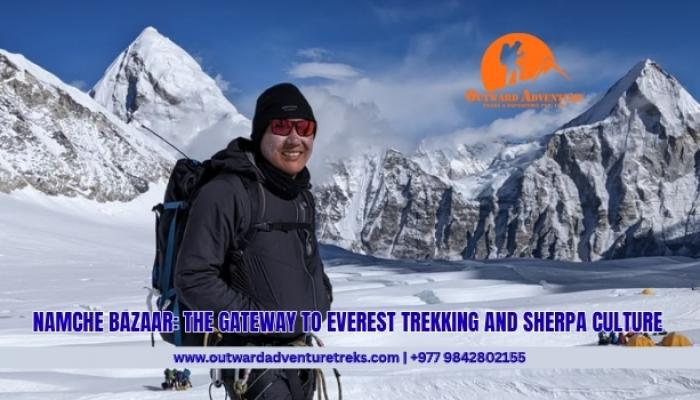
Namche Bazaar is one of the most famous mountain settlements in Nepal and the cultural, economic, and trekking gateway to the Everest region. Located at an altitude of approximately 3,440 meters (11,286 feet), this vibrant Himalayan town lies within the Khumbu region of Solukhumbu District and is surrounded by spectacular peaks, including Kongde Ri, Thamserku, and the mountains of the Everest range. For travelers heading toward Everest Base Camp, Gokyo Valley, Everest View Hotel, or other high-altitude destinations, Namche Bazaar is much more than a stopover—it is an essential part of the Himalayan experience.
Namche Bazaar is particularly important for altitude acclimatization. Most Everest Base Camp itineraries include at least one acclimatization day here before travelers continue toward higher elevations. Spending additional time in Namche allows the body to gradually adjust to the increasing altitude and reduces the risk of altitude-related problems. During an acclimatization day, trekkers commonly hike toward the Everest View Hotel, Khumjung, or nearby viewpoints before returning to Namche for the night. These short hikes also provide some of the first impressive panoramic views of the Everest region.
The town is deeply connected with the Sherpa people, whose heritage, traditions, and mountaineering history are central to the identity of the Khumbu region. Visitors can explore the Sagarmatha National Park Visitor Center, local monasteries, markets, and cultural sites to learn more about Sherpa life and the Himalayan environment. Namche also offers opportunities to experience local food, traditional hospitality, and the unique lifestyle that has evolved in one of the world's highest inhabited mountain regions.
For trekkers, Namche Bazaar offers an impressive range of facilities compared with other settlements along the Everest Base Camp trail. Comfortable teahouses and lodges, restaurants, bakeries, cafés, trekking equipment stores, internet services, and local shops make it an ideal place to rest and prepare for the challenging journey ahead. The lively Saturday market is another attraction, bringing together local residents, traders, and visitors from surrounding mountain villages.
Reaching Namche Bazaar is itself an unforgettable adventure. After flying or traveling to Lukla, trekkers generally begin their journey through forests, suspension bridges, rivers, and traditional villages before making the demanding ascent into Namche. The trail introduces travelers to the dramatic landscapes and cultural richness of the Everest region while gradually gaining elevation.
Whether you are visiting as part of an Everest Base Camp Trek, Everest View Trek, Gokyo Trek, Everest expedition, or another Himalayan adventure, Namche Bazaar provides a memorable combination of mountain scenery, Sherpa culture, acclimatization, and adventure. Its strategic location, rich heritage, and breathtaking surroundings make Namche Bazaar one of the most important and fascinating destinations in Nepal's Everest region.
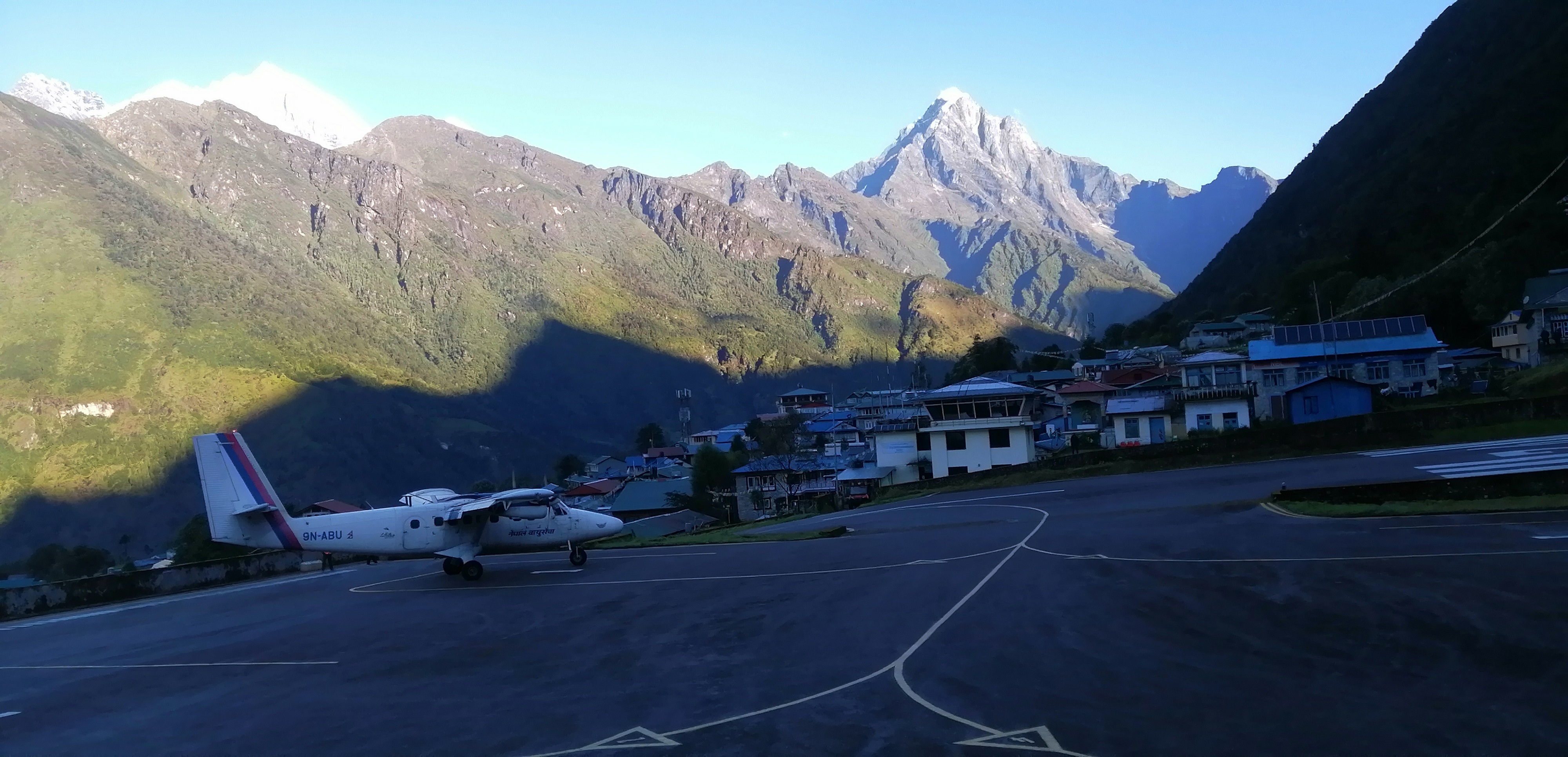
Namche Bazaar has a long history as a Sherpa settlement and Himalayan trading center in the Khumbu region of Nepal. Long before modern trekking and Everest expeditions transformed the area, Namche was connected to traditional trade routes linking the communities of Khumbu with Tibet and other parts of the Himalayas. Historical records indicate that the settlement was already known as Nauje (Namche Bazaar) in the early 19th century; one historical chronology records the first known mention of Nauje in Nepalese government documents in 1828.
Namche as an Ancient Trading Hub
The development of Namche was closely connected with the Sherpa people's traditional trading activities. The high Himalayan environment made agriculture difficult, so communities traditionally combined farming and livestock raising with trade. Trade routes through the Khumbu connected Nepal with Tibet, including routes crossing high Himalayan passes such as Nangpa La. Historical sources describe barter and trade between Sherpa communities, people from the middle hills of Nepal, and Tibet.
Namche eventually became one of the most important commercial centers in the region because of its strategic location. The Nepal Tourism Board describes it as a historic trading hub, particularly known for products such as yak cheese and butter, and notes that traders from Tibet and neighboring villages continue to participate in its weekly market.
The history of Namche cannot be separated from the history of the Sherpa communities of Khumbu. Sherpa society developed around agriculture, livestock, trade, Buddhism, and strong community traditions. The wider Sagarmatha region has been home to Sherpa communities for centuries, and UNESCO recognizes the combination of the area's exceptional mountain environment and distinctive Sherpa culture as a major part of its heritage.
Traditional livelihoods included growing crops such as potatoes and buckwheat, keeping yaks and other livestock, and participating in regional trade. Over time, tourism became an increasingly important part of the local economy, with Sherpa families becoming involved in guiding, portering, lodging, trekking services, and expedition support.
A major transformation began in the 20th century, particularly after Nepal opened the Everest region to tourism and mountaineering. The successful 1953 Everest summit by Tenzing Norgay Sherpa and Sir Edmund Hillary dramatically increased international interest in the Khumbu region. Historical management records identify 1950 as the period when the Everest region opened to tourism and 1953 as the landmark first ascent of Everest.
Namche's strategic position on the route from Lukla toward Everest made it increasingly important for trekkers and climbers. Today, the Nepal Tourism Board describes Namche as the staging point for expeditions to Everest and other Himalayan peaks.

The growth of tourism gradually changed Namche from a primarily traditional trading settlement into a major trekking and mountaineering center. Research on tourism development in Sagarmatha National Park records that Sherpa tourism enterprises began developing in the late 1960s. The first shop in Namche is documented as opening in 1967, while the first Sherpa lodge near Namche was constructed in 1971. Lodge development accelerated significantly during the 1980s as the number of trekkers increased.
Many local families adapted their homes and properties into lodges and shops to serve the growing number of visitors. This transformation helped create the modern Namche Bazaar that trekkers see today while maintaining strong connections to Sherpa culture and family-based businesses.
Sagarmatha National Park and Namche
Another major milestone in Namche's history was the establishment of Sagarmatha National Park. The park was formally established in 1976, covering approximately 1,148 square kilometers of the Everest region. Namche became an important administrative and commercial center, with the park headquarters located above the settlement.
In 1979, Sagarmatha National Park was designated a UNESCO World Heritage Site because of its extraordinary mountain landscape, glaciers, biodiversity, and Sherpa cultural heritage.
Today, Namche Bazaar represents the meeting point of ancient Sherpa heritage and modern Himalayan tourism. Its traditional trading history can still be experienced through the weekly Saturday market, local shops, family-run lodges, Sherpa culture, Buddhist traditions, and the continuing movement of people and goods through the Khumbu. At the same time, modern Namche provides hotels, restaurants, trekking and climbing equipment, communication facilities, and services for visitors preparing to travel deeper into the Everest region.
For modern trekkers, Namche is therefore much more than a stop on the Everest Base Camp Trek. It is a historic Sherpa community, a traditional trading center, an acclimatization destination, and the principal gateway toward Everest and other Himalayan adventures. Its evolution from a historic mountain trading settlement into an international trekking hub is what makes Namche Bazaar one of the most culturally and historically significant destinations in Nepal's Everest region.
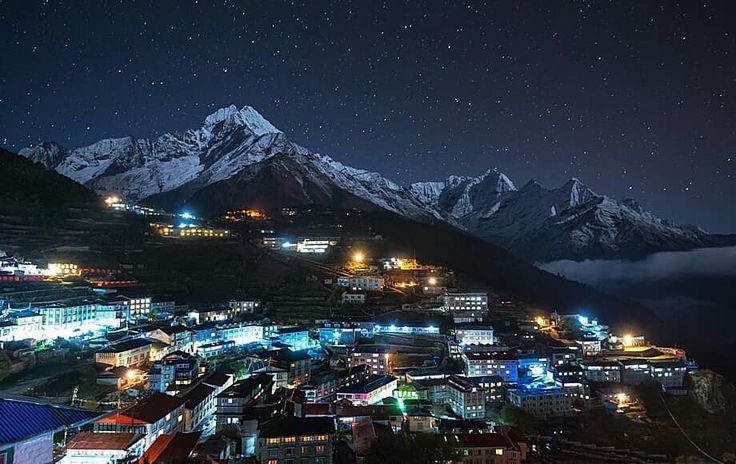
Namche Bazaar is widely recognized as the Gateway to the Everest Region, serving as one of the most important trekking, acclimatization, cultural, and logistical hubs in the Khumbu Himalayas of Nepal. Located at approximately 3,440–3,500 meters (11,286–11,483 feet), Namche is a historic Sherpa settlement inside the Sagarmatha National Park and a major staging point for trekkers and mountaineers traveling toward Mount Everest and other Himalayan peaks. The Nepal Tourism Board specifically describes Namche Bazaar as the staging point for expeditions to Everest and other peaks in the area.
For travelers searching for Everest Region trekking, Everest Base Camp Trek, Gokyo Valley Trek, Everest Three Pass Trek, Everest expeditions, and Himalayan peak climbing, Namche Bazaar represents a crucial point on the journey. Most classic Everest trekking routes beginning from Lukla pass through Namche before continuing toward Tengboche, Dingboche, Lobuche, Gorakshep, Everest Base Camp, Gokyo, or other high-altitude destinations. The Nepal Tourism Board notes that the route from Lukla reaches Namche after following the Dudh Koshi Valley, with Namche becoming an important place to stop and acclimatize before gaining further elevation.
Namche's importance comes from its strategic location at the crossroads of several major trails in the Everest region. From here, trekkers can continue toward Everest Base Camp and Kala Patthar, explore the Gokyo Valley, travel through the challenging Everest Three Passes, or visit traditional Sherpa settlements such as Khumjung, Khunde and Thame. It is therefore not simply a village along the trail; it functions as a central Himalayan hub connecting multiple trekking and mountaineering routes.
For Everest expeditions and peak climbing, Namche also provides an important preparation point. Climbers can purchase or check trekking and climbing equipment, organize supplies, communicate with their teams, and experience the gradual transition from lower-altitude trekking terrain to the demanding high Himalayas. The town has developed into a colorful mountain market with hotels, lodges, restaurants, cafés, trekking and climbing equipment stores, and other services designed for visitors heading deeper into the Everest region.
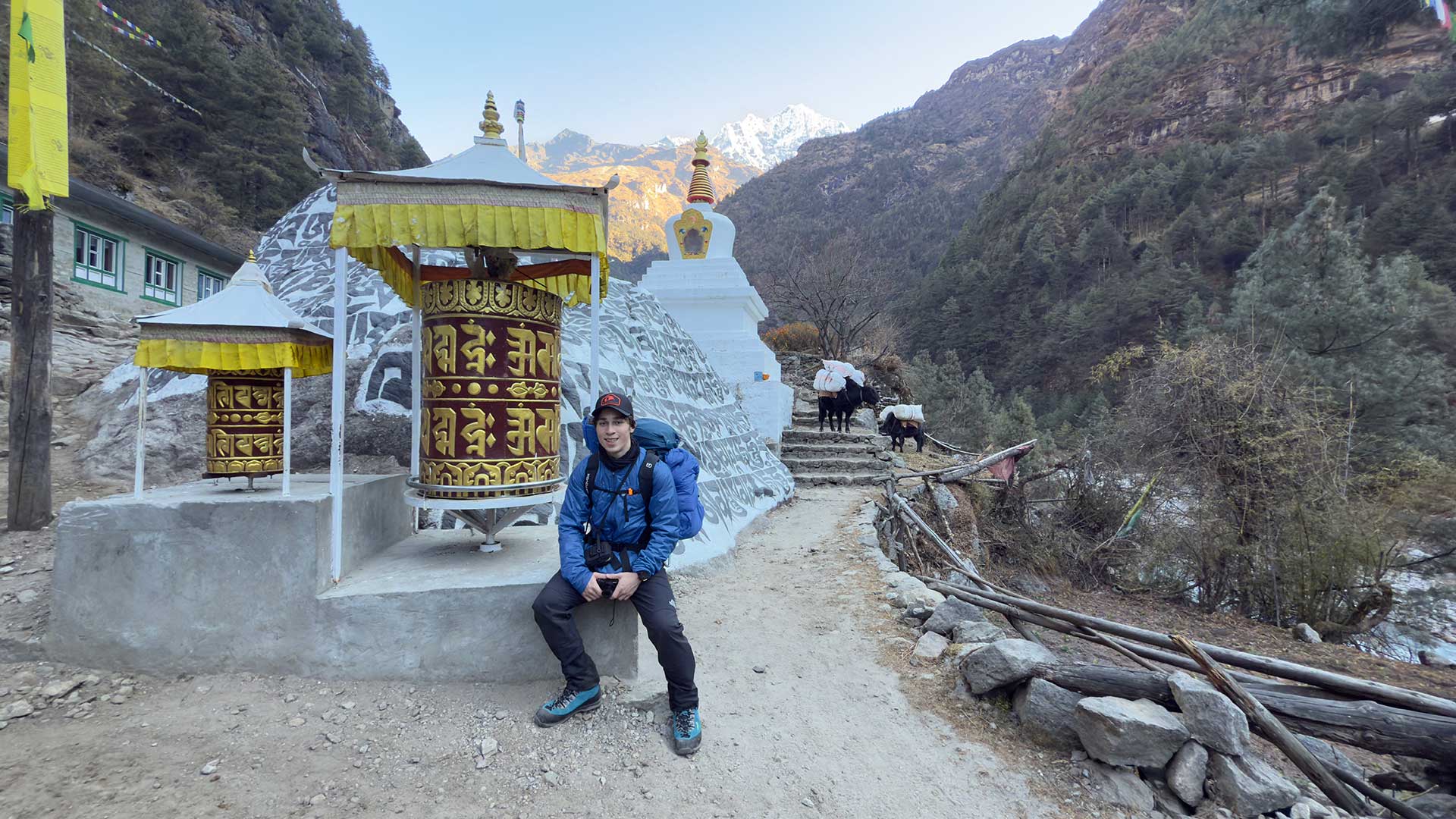
Namche Bazaar and Altitude Acclimatization
One of the most important reasons Namche Bazaar is included in Everest trekking itineraries is altitude acclimatization. At more than 3,400 meters, the environment is significantly higher than Kathmandu and Lukla, making Namche an appropriate place for trekkers to slow down before continuing toward higher elevations.
A typical Everest Base Camp Trek itinerary includes an acclimatization day in Namche. Rather than remaining inactive throughout the day, trekkers often take a short hike around the surrounding hills and return to Namche to sleep. Nearby destinations include Syangboche, Khumjung, Khunde and viewpoints toward Everest. Nepal Tourism Board also recommends spending time around Namche because acclimatization is a gradual process that should not be rushed.
Sherpa Culture and Himalayan Heritage
Namche Bazaar is also an important center of Sherpa culture and Himalayan heritage. The Everest region is traditionally associated with Sherpa communities whose lives, Buddhist traditions, mountaineering knowledge, and relationship with the mountains have shaped the identity of Khumbu. Sagarmatha National Park itself recognizes Sherpa culture as an important part of the region alongside trekking and mountaineering.
Visitors can experience traditional architecture, Buddhist prayer flags, monasteries, local markets, mountain hospitality, and nearby Sherpa villages. The Sagarmatha National Park headquarters is located at Namche Bazaar, further demonstrating its administrative and geographic importance within the Everest region.
Its combination of high-altitude location, Sherpa culture, mountain views, trekking infrastructure, acclimatization opportunities, and strategic trail connections makes Namche Bazaar one of the most significant settlements in Nepal's Himalayas.
Ultimately, calling Namche Bazaar the “Gateway to Everest Region Trekking and Expeditions” is more than a tourism slogan. It accurately reflects the town's role as a meeting point between the lower trekking route and the high Himalayan world beyond. From Namche, the journey becomes increasingly focused on the mountains, glaciers, high passes, Buddhist heritage, Sherpa communities, and ultimately the iconic landscapes surrounding Mount Everest.
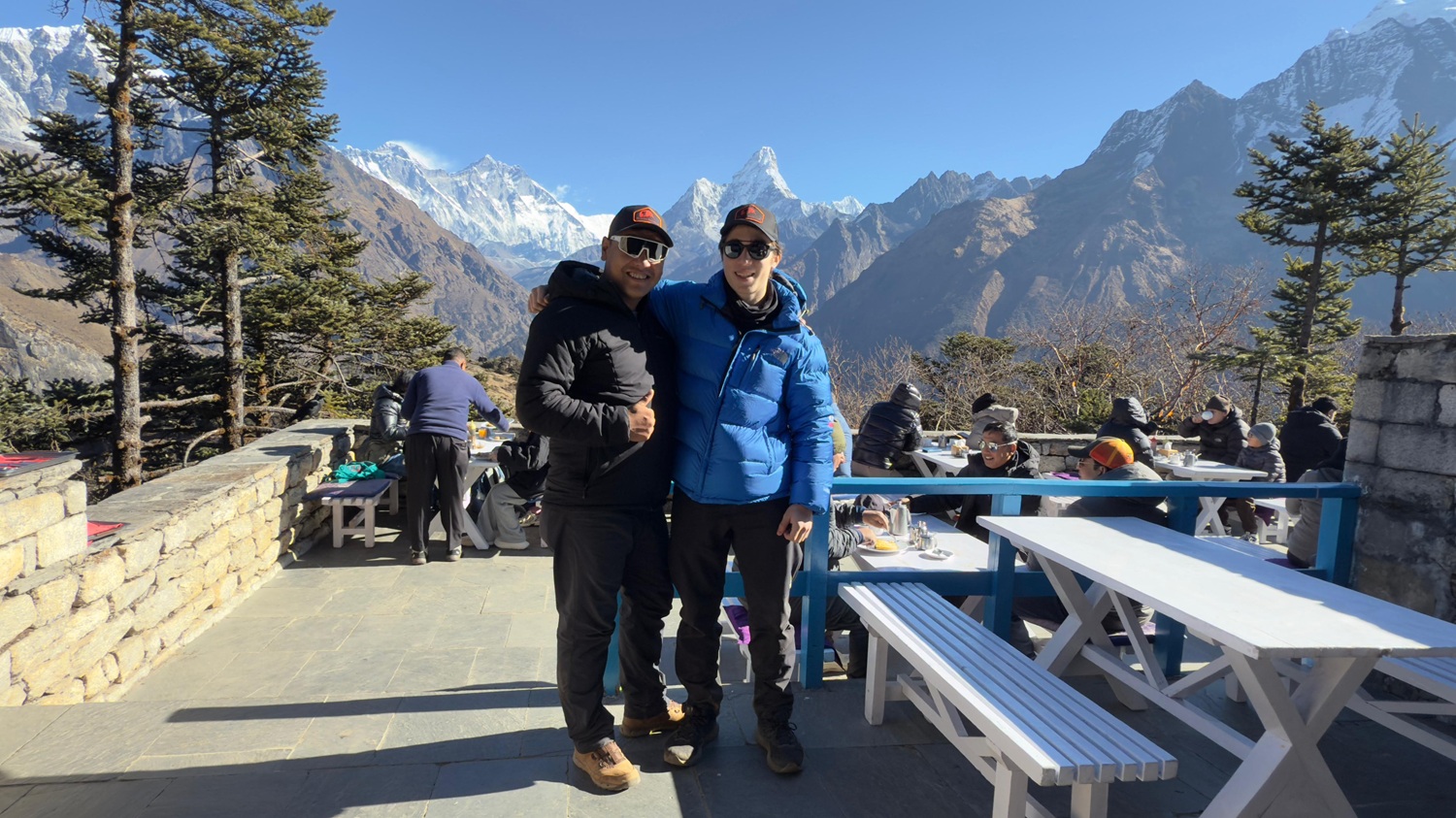
Namche Bazaar is often described as the heart of Sherpa culture in the Everest region and can be understood as a traditional home and community center for many Sherpa families of Khumbu. Located at around 3,500 meters (11,483 feet), Namche is not only a major stop on the Everest Base Camp Trek but also a living cultural settlement where Sherpa traditions, hospitality, mountain livelihoods, and Himalayan heritage remain closely connected. The Nepal Tourism Board describes Namche as a Sherpa-dominated trading center that has retained its traditional culture, customs, and warm hospitality despite becoming an important tourism hub.
The phrase “Sherpa Family Home” reflects Namche's deep connection with the Sherpa communities who have lived, worked, traded, and built their livelihoods throughout the Khumbu region for generations. Sherpa culture is one of the defining characteristics of the Everest region, and visitors traveling through Namche can experience this culture not simply as something displayed for tourists, but as part of the everyday life of the mountain community.
Traditional Sherpa life has historically been connected with agriculture, animal husbandry, trade, Buddhist traditions, and mountain travel. With the development of Himalayan tourism, many Sherpa families became increasingly involved in trekking, mountaineering, guiding, hospitality, transportation, and expedition support. Today, Sherpa-owned lodges, hotels, restaurants, trekking businesses, and other services are an important part of the Everest trekking economy.
Traditional Sherpa Hospitality in Namche
One of the most memorable aspects of Namche Bazaar is its Sherpa hospitality. Trekkers and climbers commonly stay in locally operated teahouses and lodges, where they can experience Himalayan food, accommodation, family-style hospitality, and local traditions.
This connection between family life and tourism can be seen in traditional Sherpa houses and cultural museums in Namche. The Sherpa Culture Museum, for example, preserves a traditional Sherpa house showing how a family home was historically organized, including a family living area, prayer space, and livestock and storage areas.
This makes Namche particularly valuable for travelers who want more than mountain scenery. An Everest trek through Namche provides an opportunity to understand how Sherpa families have adapted to life at high altitude and how their culture has evolved alongside mountaineering and tourism.
Namche Bazaar and Sherpa Mountaineering Heritage
Sherpa identity is also strongly connected with Himalayan mountaineering. For generations, Sherpa climbers and mountain workers have played important roles in expeditions throughout the Everest region. Namche became increasingly important as mountaineering and trekking developed because travelers heading toward Everest and other Himalayan peaks naturally passed through the settlement.
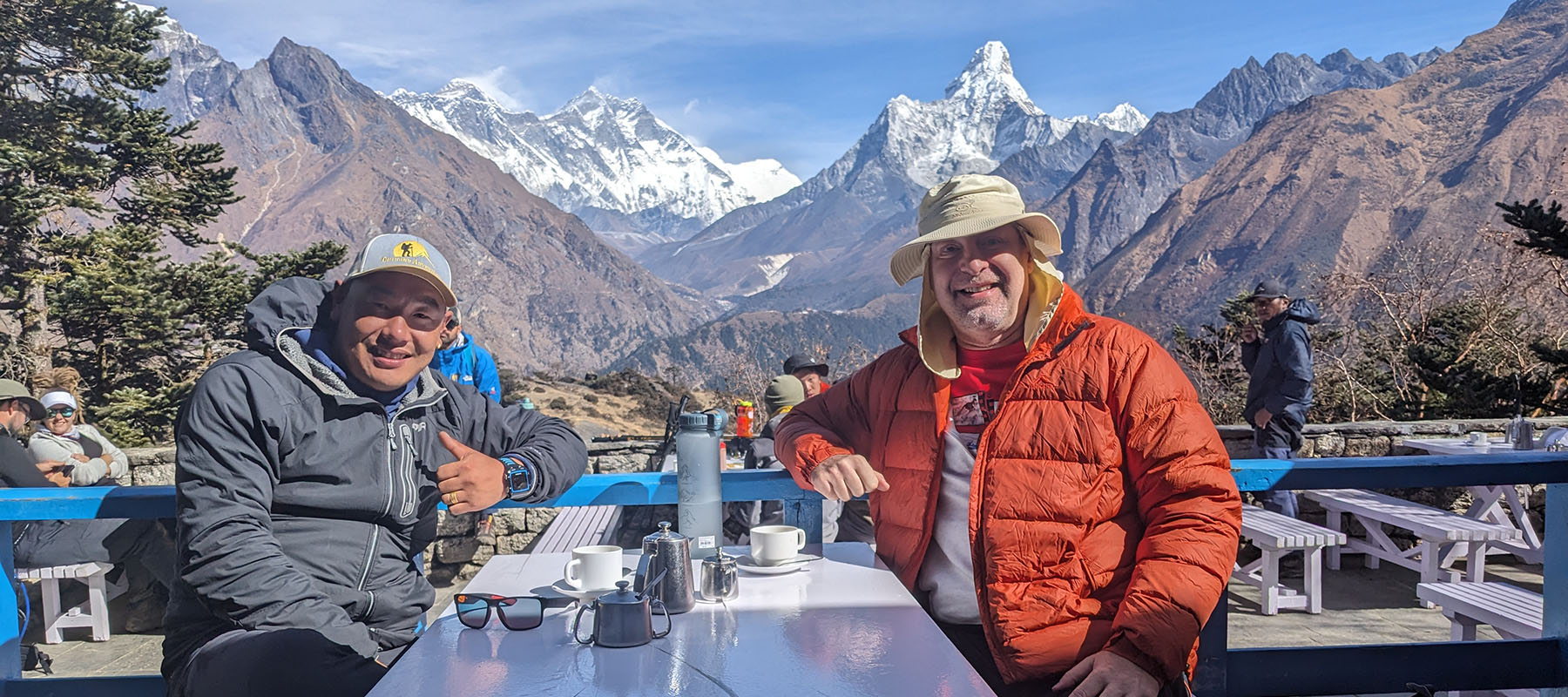
A Living Sherpa Cultural Center
Namche should not be viewed only as a tourist town. It remains part of a wider network of Sherpa settlements, including Khumjung, Khunde, Thame and other villages surrounding the Everest region. These communities preserve Buddhist traditions, local architecture, mountain agriculture, cultural practices, and community relationships.
Travelers can explore nearby Sherpa villages during acclimatization hikes from Namche, making the area especially valuable for cultural trekking in Nepal. The Nepal Tourism Board specifically recommends visits to surrounding Sherpa villages such as Khumjung, Khunde and Thame while acclimatizing in Namche.
Ultimately, calling Namche Bazaar the “Sherpa Family Home” highlights its role as a place where visitors can encounter the living culture behind the Everest experience. Its stone-built homes, prayer flags, monasteries, family-run lodges, local markets, traditional food, mountaineering stories, and welcoming communities create a strong sense of Sherpa identity. For anyone undertaking an Everest Base Camp Trek, Everest Region Trek, Gokyo Trek, Everest Three Pass Trek, peak climbing or Everest expedition, Namche offers an important opportunity to experience the people and culture that have helped make the Khumbu region one of the world's most famous Himalayan destinations.
Namche Bazaar is one of the most important destinations in the Everest region of Nepal. Located at around 3,440–3,500 meters above sea level, this famous Sherpa settlement is not only a gateway to Everest but also a cultural, commercial, and acclimatization center for trekkers and mountaineers. The Nepal Tourism Board identifies Namche as a staging point for expeditions to Everest and other Himalayan peaks, while its location makes it a natural stopping point on routes toward Everest Base Camp, Gokyo Valley, and other destinations.
1. Everest View and Himalayan Panoramas
One of the biggest attractions around Namche Bazaar is its spectacular Himalayan scenery. From viewpoints above the town and around Syangboche, trekkers can enjoy views toward Mount Everest, Lhotse, Nuptse, Ama Dablam, Thamserku, Kongde Ri, and other Himalayan peaks. Syangboche is particularly popular for acclimatization hikes because it provides impressive mountain scenery without requiring trekkers to travel far from Namche.
2. Sherpa Culture and Heritage
Namche is an important center of Sherpa culture in the Khumbu region. The town retains traditional cultural practices while also serving as a modern trekking hub. The National Park headquarters and visitor facilities provide information about the Sherpa people, their lifestyle, mountaineering history, and the natural environment of Sagarmatha National Park. (Nepal Tourism Board)
Nearby Khumjung, Khunde, and Thame provide additional opportunities to experience traditional Sherpa communities and Himalayan village life.
3. Sagarmatha National Park Visitor Center
The Sagarmatha National Park headquarters and visitor facilities are another important attraction in Namche. Trekkers can learn about the geography, wildlife, conservation, mountaineering, and cultural heritage of the Everest region. Sagarmatha National Park is a UNESCO World Heritage Site and protects a spectacular landscape of mountains, glaciers, valleys, and high-altitude ecosystems.
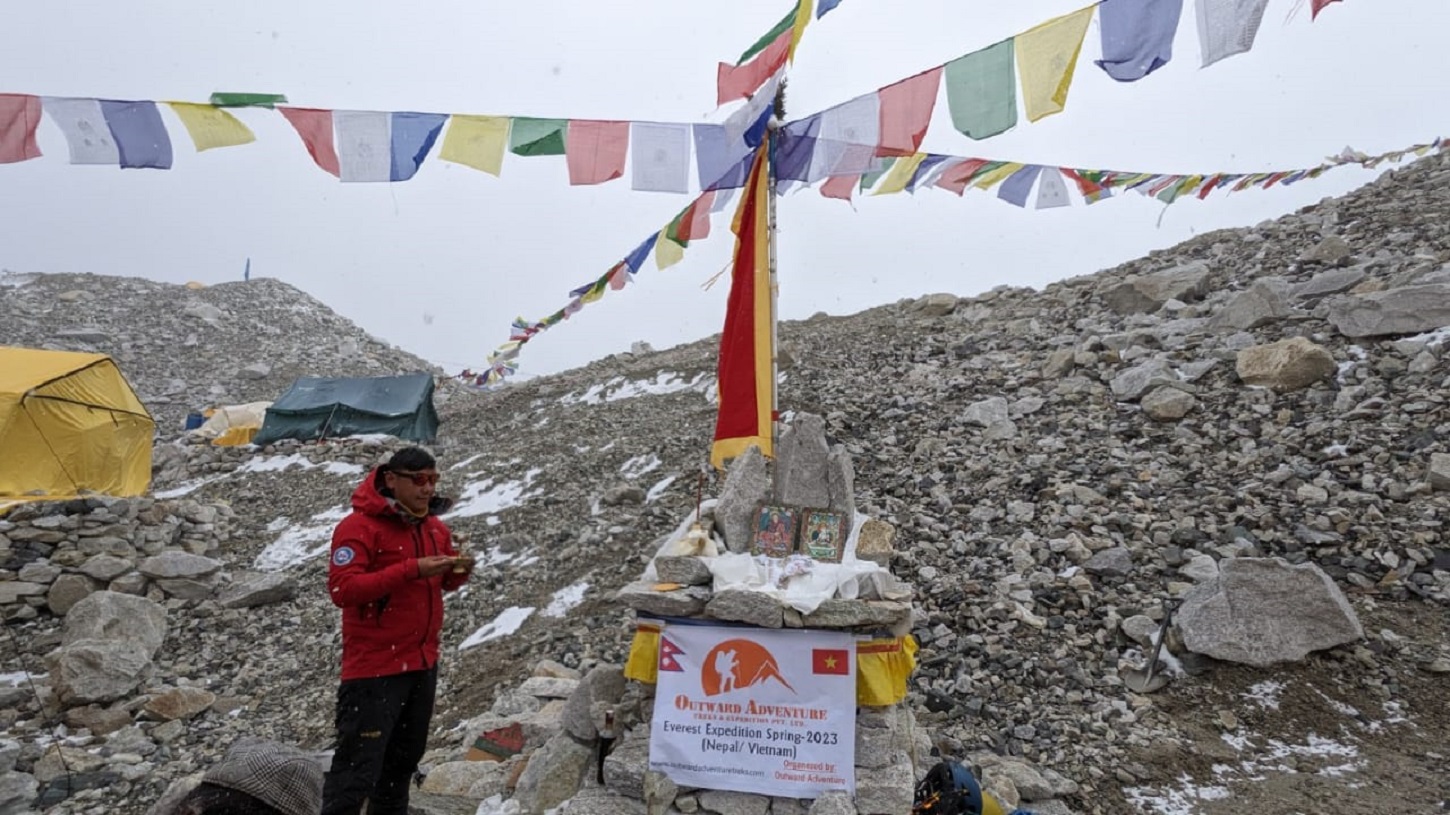
4. Namche Saturday Market
The famous Saturday Market is one of Namche's most distinctive attractions. Every Saturday, the town becomes a lively trading center where traders from neighboring villages and the Tibetan side bring different goods and supplies. For trekkers, the market offers an interesting glimpse into the traditional commercial life of the Khumbu region.
5. Trekking and Mountaineering Shops
Namche is also an important logistical center for Everest trekking and expeditions. Trekkers can find clothing, trekking equipment, snacks, basic supplies, and other necessities before continuing toward higher elevations. The Nepal Tourism Board specifically highlights Namche's trekking and climbing equipment stores and its role as a place for last-minute shopping.
6. Acclimatization and Rest
Perhaps the most important reason trekkers spend time in Namche Bazaar is acclimatization. Because the town sits above 3,400 meters, travelers are already entering a significantly higher-altitude environment. A proper itinerary commonly includes an acclimatization day here, with short hikes to higher elevations followed by a return to Namche to sleep.
The Nepal Tourism Board emphasizes that acclimatization cannot be rushed and recommends exploring nearby areas such as Syangboche, Khumjung, Khunde, and Thame during the stay.
7. Hotels, Teahouses, Restaurants and Cafes
Compared with many other settlements along the Everest trail, Namche offers a wide range of lodges, teahouses, hotels, restaurants, cafés, internet facilities, and other traveler services. This makes it an ideal place to rest, recharge, check equipment, communicate with family, and prepare for the more demanding sections of the trek.
Namche is important because it combines acclimatization, culture, mountain scenery, logistics, hospitality, and route connectivity in one destination. It is a key point between Lukla and the higher Everest region. From Namche, trekkers can continue toward Tengboche and Everest Base Camp, explore Gokyo Valley, undertake the Everest Three Passes Trek, or visit surrounding Sherpa villages. (Nepal Tourism Board)
For this reason, Namche Bazaar should not be treated simply as an overnight stop. It is a major experience within the Everest Region Trekking journey—a place where trekkers adjust to altitude, encounter Sherpa culture, prepare for the higher Himalayas, and experience some of the first spectacular views associated with Mount Everest.
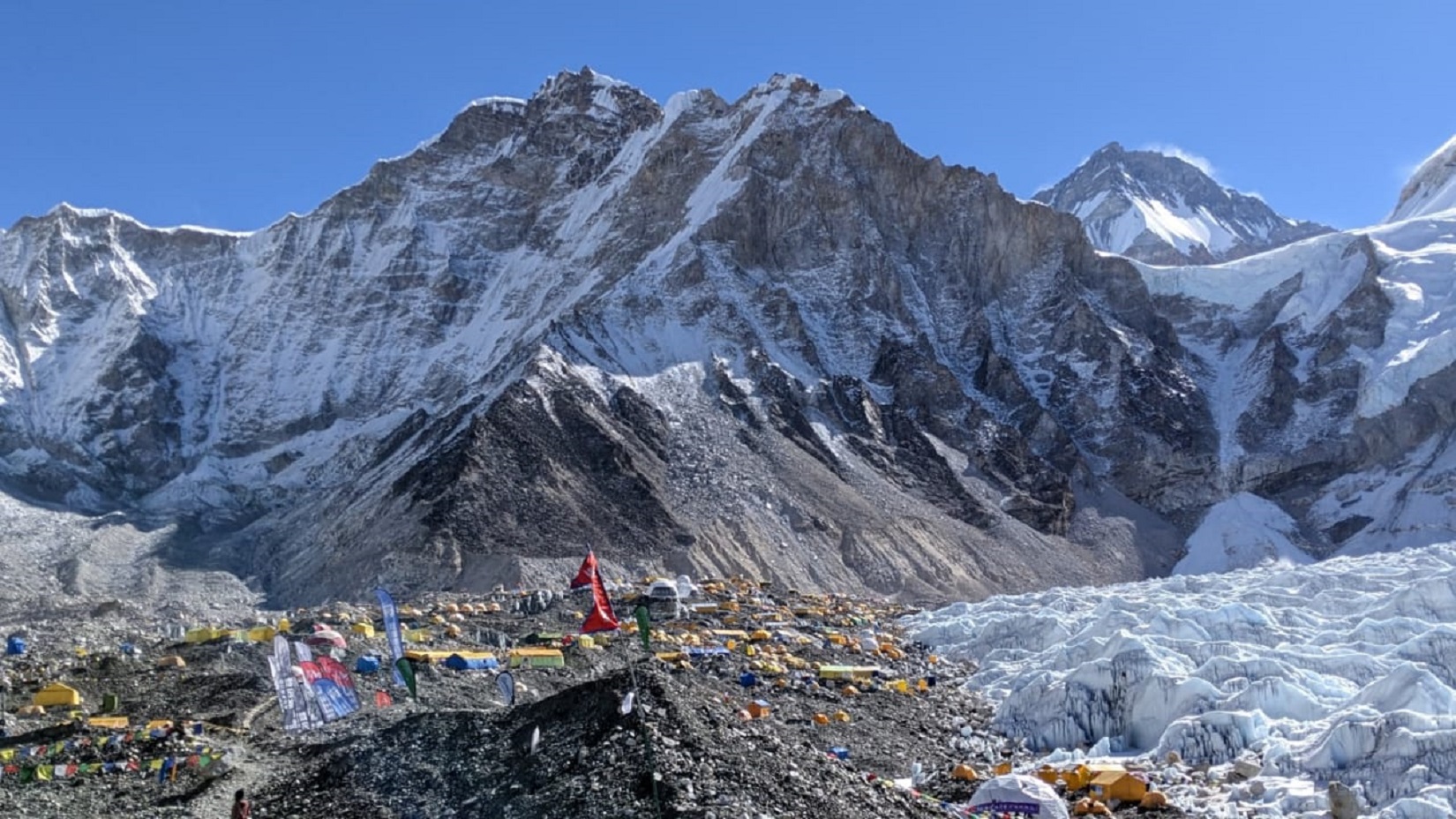
Namche Bazaar is an important destination and strategic connection point for Outward Adventure Treks’ Everest-region trekking and expedition programs. As the gateway to the Everest region, Namche naturally forms a major part of itineraries operated by Outward Adventure Treks, particularly for travelers heading toward Everest Base Camp, Gokyo Valley, Everest Three Passes, Everest View, and other Himalayan adventures.
For Outward Adventure Treks, Namche Bazaar is more than an overnight stop. It is an important stage of the journey where trekkers can acclimatize, experience authentic Sherpa culture, explore the local Himalayan community, and prepare for the higher elevations ahead. The town's location provides an ideal opportunity to introduce travelers to the unique environment and traditions of the Khumbu region.
During an Outward Adventure Treks journey through Namche, trekkers can experience spectacular Himalayan landscapes, traditional Sherpa hospitality, local markets, Buddhist heritage, and panoramic views of peaks surrounding the Everest region. The acclimatization period can also include exploration around Syangboche, Khumjung, and Khunde, depending on the itinerary and trekking conditions.
The connection is particularly significant for Everest Base Camp Trekking and Everest Expeditions. After reaching Namche from Lukla, trekkers gradually continue toward the higher settlements of Tengboche, Dingboche, Lobuche, Gorakshep, and ultimately Everest Base Camp, while expedition members continue deeper into the Everest region according to their climbing itinerary.
Through its Everest-region programs, Outward Adventure Treks connects travelers with both the natural and cultural sides of Namche Bazaar. The company’s trekking experience, local guides, logistical support, and carefully planned itineraries help travelers enjoy Namche while maintaining a responsible approach to high-altitude trekking.
Ultimately, Namche Bazaar and Outward Adventure Treks are closely connected through the experience of exploring the Everest region. Namche provides the culture, community, acclimatization, and gateway to the mountains, while Outward Adventure Treks helps travelers turn that gateway into a professionally organized Himalayan adventure. For anyone planning an Everest Base Camp Trek, Everest Region Trek, Gokyo Trek, Everest Three Pass Trek, or Everest expedition, Namche Bazaar is an essential part of the journey with Outward Adventure Treks.
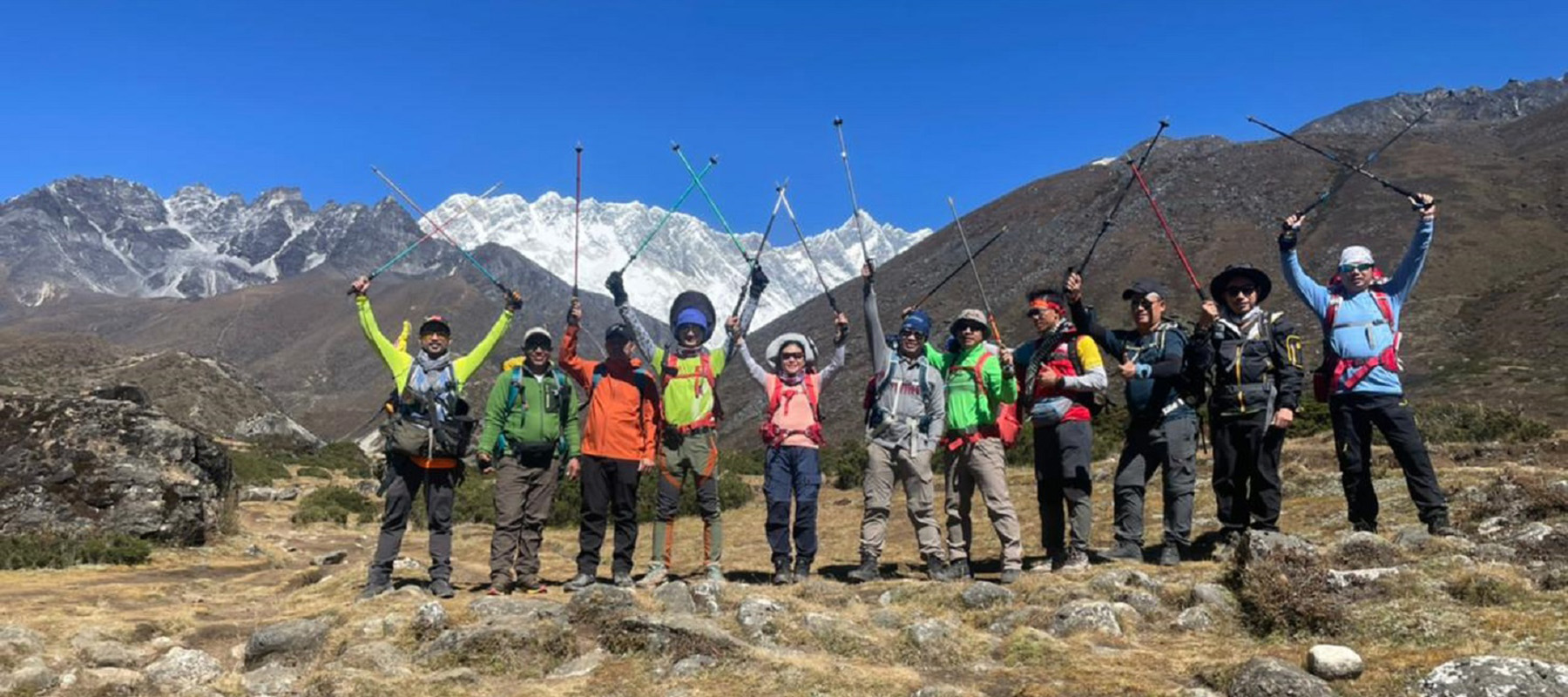
Namche Bazaar is far more than a stop along the Everest trail—it is the cultural heart and gateway of Everest Region trekking and expeditions. From breathtaking Himalayan views and Sherpa heritage to acclimatization opportunities, traditional markets, comfortable teahouses, and access to major routes, Namche provides trekkers with an unforgettable introduction to the high Himalayas. Its strategic location makes it an essential destination for the Everest Base Camp Trek, Gokyo Valley Trek, Everest Three Pass Trek, Everest View Trek, peak climbing, and Everest expeditions.
With Outward Adventure Treks, travelers can experience Namche Bazaar as part of a carefully organized and professionally supported Himalayan journey. Our experienced guides help trekkers understand the local Sherpa culture, follow appropriate acclimatization practices, manage the changing mountain environment, and enjoy the spectacular landscapes of the Everest region at a comfortable pace.
Whether you are visiting Namche for the first time or continuing toward Everest Base Camp and the world's highest mountains, Outward Adventure Treks is committed to making your journey safe, memorable, and meaningful. Namche is where the Everest adventure truly begins—and with the right trekking partner, every step beyond this legendary Sherpa town becomes part of an extraordinary Himalayan experience.
 Sep 19, 2026
Tharpu Chuli (Tent Peak) Climbing: Complete Nepal Peak Climbing Guide Tent Peak Climbing, also known as Tharpu Chuli Pe...
Read More Sep 15, 2026
Mera Peak Climbing with Heli Shuttle Mera Peak Climbing with Heli Shuttle is an extraordinary Himalayan adventure that...
Read More Sep 10, 2026
Peak Climbing vs. Expedition in Nepal: Understanding the Difference Nepal is one of the world’s premier destinati...
Read More Sep 04, 2026
The Himlung Himal Expedition is an extraordinary high-altitude mountaineering adventure in Nepal, offering experienced c...
Read More
Leave a Comment