
Any Questions? Email Us
Talk to an Expert

Mera Peak Climbing with Heli Shuttle is an extraordinary Himalayan adventure that combines the thrill of climbing Nepal’s highest trekking peak with the speed, comfort, and scenic experience of helicopter transportation. Rising to 6,476 meters (21,247 feet) above sea level, Mera Peak is one of Nepal’s most sought-after trekking peaks and offers an exceptional high-altitude climbing experience in the Everest region. The combination of trekking, mountaineering, breathtaking Himalayan scenery, and strategic helicopter shuttle services makes this adventure an attractive choice for climbers who want to experience Mera Peak while making their overall journey more efficient and comfortable.
Located in the remote Hinku Valley of eastern Nepal, Mera Peak provides a spectacular wilderness experience away from the busier trails of the central Everest route. The journey takes climbers through beautiful Himalayan landscapes, traditional mountain villages, rhododendron and alpine forests, dramatic valleys, glacial terrain, and high-altitude environments. Along the way, travelers can experience the distinctive culture and hospitality of the Sherpa communities while gradually approaching the mountain. The addition of a helicopter shuttle can make selected sections of the journey significantly more convenient, particularly for adventure travelers with limited time who want to reduce lengthy transportation or trekking segments without losing the essence of a Himalayan climbing experience.
The Mera Peak Heli Shuttle climbing experience is designed around a practical balance between adventure and efficiency. Helicopter transportation may be used for appropriate sections of the journey depending on the selected itinerary, weather conditions, flight availability, landing conditions, and aviation regulations. Rather than replacing the entire trekking experience, the helicopter component can strategically shorten approach or return sections and provide aerial access to the spectacular Himalayan landscape. This makes the journey particularly appealing to travelers searching for a time-efficient Mera Peak climbing itinerary, premium Himalayan adventure, or a helicopter-assisted peak climbing experience in Nepal.
One of the defining attractions of Mera Peak is its incredible panoramic mountain scenery. From the higher sections of the route and especially from the summit, climbers can witness an impressive collection of Himalayan giants, including Mount Everest, Lhotse, Makalu, Cho Oyu, and Kanchenjunga, along with numerous surrounding peaks. The combination of snow-covered mountains, glaciers, deep valleys, and vast Himalayan horizons creates an unforgettable visual experience. Traveling by helicopter adds another dimension to the adventure, allowing travelers to observe Nepal’s dramatic mountain geography from above while moving between selected destinations.

Despite the convenience of helicopter transportation, Mera Peak remains a genuine high-altitude climbing adventure and should not be regarded simply as a sightseeing trip. Reaching 6,476 meters requires physical endurance, mental preparation, proper acclimatization, appropriate climbing equipment, and experienced mountain leadership. The helicopter can save time during transportation, but it cannot remove the physiological effects of altitude. A well-designed Mera Peak Heli Shuttle itinerary therefore needs to maintain sufficient acclimatization and preparation before the summit attempt. Responsible planning is essential because altitude, weather, cold temperatures, snow conditions, and the length of summit day can all influence the climbing experience.
Another important attraction is the sense of exclusivity associated with a helicopter-assisted Himalayan journey. Flying above remote valleys and mountain landscapes provides an unforgettable perspective of Nepal’s natural beauty. At the same time, landing in remote Himalayan areas can connect travelers with the rugged environment that makes the Mera Peak region so distinctive. The experience combines the traditional character of Himalayan trekking with a modern approach to mountain travel, creating a unique adventure for those looking for something beyond a conventional Nepal trekking holiday.
The best experience depends on careful preparation, professional guidance, flexible logistics, and suitable weather conditions. Helicopter flights in the Himalayas are naturally affected by visibility, wind, cloud, and other operational factors, so flight schedules may need to remain flexible. Safety should always take priority over convenience, and the climbing itinerary should be prepared around appropriate acclimatization rather than simply minimizing the number of days.
Overall, Mera Peak Climbing with Heli Shuttle represents an exciting way to experience one of Nepal’s most iconic trekking peaks while incorporating modern helicopter logistics into a traditional Himalayan adventure. It brings together Mera Peak summit climbing, Himalayan trekking, Sherpa culture, breathtaking mountain views, high-altitude adventure, and helicopter transportation in one memorable journey. For travelers searching for a Mera Peak climbing with helicopter itinerary, Mera Peak Heli Shuttle adventure, Mera Peak climbing in Nepal, or a time-efficient Himalayan peak climbing experience, this adventure offers a compelling combination of challenge, scenery, convenience, and unforgettable mountain experiences.

Mera Peak Climbing with Heli Shuttle offers a more time-efficient and comfortable alternative to a traditional Mera Peak trekking itinerary. The important point is that a helicopter shuttle does not replace the essential acclimatization and climbing stages. Instead, it strategically reduces the long approach or return journey, allowing climbers to preserve their energy for the most important part of the adventure—the high-altitude climb and summit attempt. A normal Mera Peak itinerary can take around 15–20 days, with several days spent walking through the Hinku Valley and then retracing much of the same route on the way back. A helicopter-return option can remove several of those return trekking days.
1. Save Valuable Time Without Removing the Main Climbing Experience
The biggest advantage of choosing a Mera Peak Heli Shuttle is time efficiency. A traditional trekking itinerary requires climbers to walk both toward Mera Peak and back toward the Lukla area after completing the summit. For travelers with limited annual leave, this can make Mera Peak difficult to fit into their schedule.
With a helicopter shuttle, the return journey can be significantly shortened. For example, after completing the summit section and descending toward Khare, a helicopter can transfer climbers toward Lukla instead of requiring several additional days of trekking. This allows travelers to experience the essential Mera Peak climbing adventure while reducing the amount of time spent on the long return trail.
2. Preserve Energy for the Summit Push
Mera Peak is 6,476 meters high, and the major challenge is not simply reaching the mountain but performing effectively at extreme altitude. The standard route includes glacier terrain and a demanding summit day, meaning energy management becomes extremely important.
On a normal itinerary, climbers must continue trekking for days after completing the summit before reaching the lower valleys. With a helicopter return, that prolonged post-summit trekking can be reduced. This gives climbers a more comfortable transition after the physically demanding summit attempt and can make the overall journey less exhausting.
The helicopter therefore provides a logistical advantage rather than a shortcut to the summit.
3. Maintain Proper Acclimatization
One of the most important misconceptions about helicopter-assisted Mera Peak climbing is that flying makes acclimatization unnecessary. It does not.
A responsible Mera Peak Heli Shuttle itinerary still requires gradual altitude progression and dedicated acclimatization before reaching the upper mountain. Khare, around 5,045 meters, is an important preparation point, where climbers can acclimatize and practice essential climbing skills before moving toward high camp.
This is why a well-designed helicopter itinerary can be better than simply flying climbers directly to a high-altitude location. The helicopter should be used to improve logistics while protecting the acclimatization schedule, not to rush the ascent.
4. Reduce Repetitive Trekking
A normal Mera Peak trek involves beautiful but physically demanding trails through the Hinku Valley. The journey itself is a major attraction, passing forests, remote settlements, alpine landscapes, glaciers, and high mountain terrain. However, after the summit, walking the same general corridor back can feel repetitive, especially for travelers who have already spent many days trekking.
A helicopter shuttle changes this dynamic. Instead of spending several additional days retracing the lower route, climbers can experience an aerial journey over the Himalayan landscape.
This makes the overall adventure feel more efficient, diverse, and premium.

5. Ideal for Climbers with Limited Vacation Time
For professionals, business owners, families, and international travelers who cannot dedicate three weeks or more to a Himalayan expedition, Mera Peak Climbing with Helicopter Return can be particularly attractive.
The normal approach and climbing experience can still be retained, while the helicopter reduces the return duration. Current Mera Peak programs specifically market helicopter-return itineraries as a way to shorten the overall journey without removing the essential acclimatization and summit stages.
In other words, the helicopter is most valuable when time is the biggest limitation.
6. More Comfort After a Physically Demanding Summit
Summit day is usually the most physically demanding portion of Mera Peak climbing. Climbers leave high camp early, ascend through snow and glacier terrain, reach the summit, and descend after spending many hours at extreme altitude.
After such an effort, immediately beginning several more days of trekking can be physically tiring. A helicopter shuttle from an appropriate landing point such as Khare can provide a faster transition toward Lukla, subject to weather and flight conditions.
This makes the post-summit experience considerably more comfortable than the traditional walk-out.
7. Experience the Himalayas from the Air
A normal Mera Peak trek provides an intimate ground-level experience of Nepal's Himalayan landscape. The helicopter adds a completely different perspective.
Flying over the Hinku Valley, glaciers, mountain ridges, forests, and surrounding Himalayan peaks creates an aerial experience that cannot be replicated while walking. For travelers who want both trekking and aerial exploration, the combination offers greater variety within one adventure.
The Mera Peak summit itself is already famous for panoramic views of major Himalayan peaks, including Everest, Lhotse, Makalu, Cho Oyu, and Kanchenjunga.
8. Better Use of Your Time in Nepal
A normal Mera Peak itinerary is ideal for travelers who genuinely want the complete trekking experience and have enough time to enjoy every stage of the Hinku Valley journey.
However, not every traveler wants to spend additional days walking after completing the main objective. Heli Shuttle Mera Peak climbing allows travelers to allocate more of their limited Nepal holiday toward the experiences they value most—acclimatization, climbing preparation, summit day, photography, cultural experiences, or even combining Mera Peak with another destination.
Therefore, the choice is not simply between "helicopter" and "trekking." It is really a choice between maximum trekking immersion and maximum time efficiency.
9. A Premium Alternative to Normal Mera Peak Climbing
For travelers seeking a more exclusive Himalayan experience, helicopter-supported Mera Peak climbing offers a premium logistical element. It combines the authenticity of trekking through the Hinku Valley with the convenience of modern aviation.
The traditional route remains the better option for travelers who have sufficient time and want to experience the complete approach and return on foot. Mera Peak Climbing with Heli Shuttle, meanwhile, is especially attractive to those who want the summit adventure but prefer to reduce unnecessary trekking days.
The mountain remains 6,476 meters high, and the upper route involves high-altitude glacier travel, snow, cold, and a demanding summit push. The normal route is considered relatively straightforward technically compared with harder Himalayan peaks, but altitude and physical endurance remain major challenges.
The helicopter primarily makes the logistics easier—not the mountain itself.
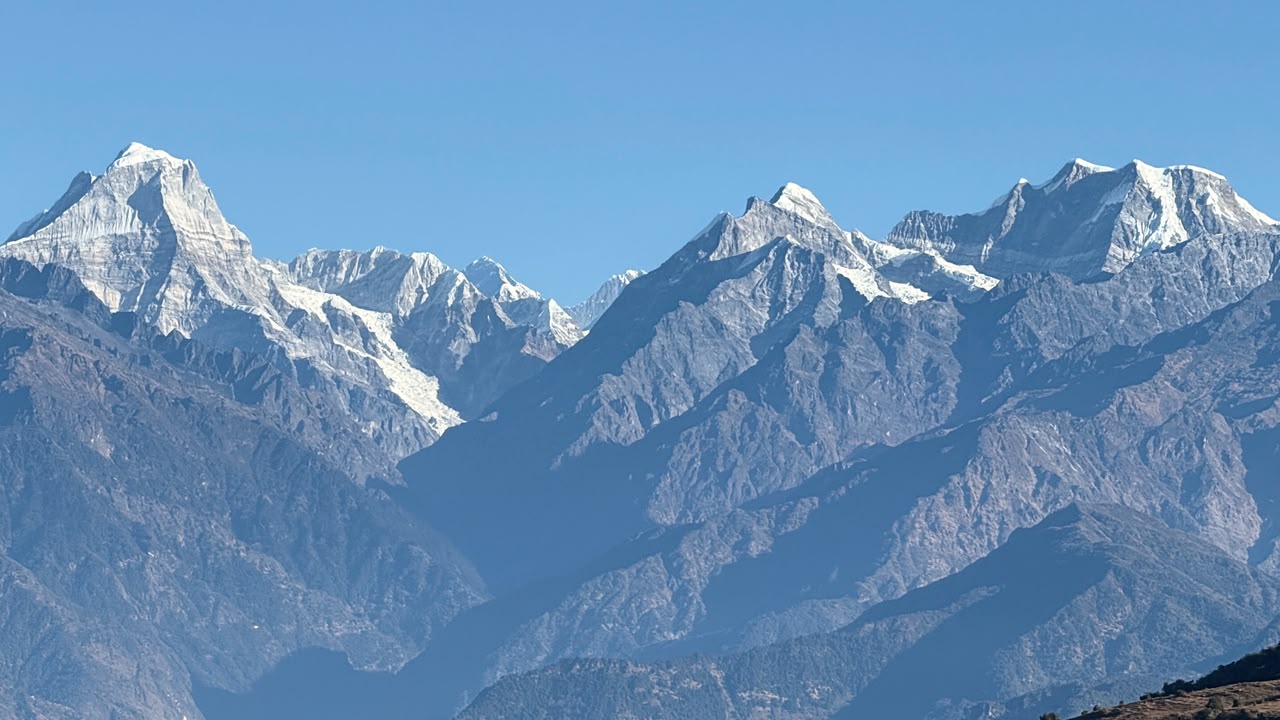
There is no single answer to whether Mera Peak Climbing with Heli Shuttle is better than a normal Mera Peak trek. The better option depends on your available time, budget, physical endurance, trekking preferences, and priorities after the summit. Both options can provide the same core Mera Peak climbing experience, including the approach through the Hinku Valley, acclimatization, climbing preparation, high-camp experience, and the summit of Mera Peak at 6,476 meters (21,247 feet). The major difference is what happens after the summit: a Heli Shuttle replaces several days of return trekking with helicopter transportation.
If your biggest limitation is time, the Heli Shuttle option has a clear advantage. A traditional Mera Peak itinerary can require several additional days of walking after descending from the summit. One current classic itinerary, for example, continues from Khare toward Kothe, Thuli Kharka, and Lukla before the flight back to Kathmandu.
With a helicopter-return itinerary, climbers can descend to an appropriate pickup point such as Khare and then fly toward Lukla or Kathmandu, depending on the specific package and flight arrangement. Several current itineraries advertise the helicopter return specifically as a way to remove the long walk back through the Hinku Valley.
This makes Heli Shuttle particularly attractive for international travelers, business professionals, or adventure travelers who have only a limited number of vacation days but still want to climb above 6,000 meters.
The normal Mera Peak trek is better if the journey itself is as important to you as the summit.
Walking back from Khare allows you to experience more of the Hinku Valley at trekking pace. You continue through forests, mountain settlements, alpine landscapes, rivers, valleys, and remote Himalayan terrain rather than leaving the region by air. A standard itinerary therefore provides a more complete walking experience and gives trekkers additional time to appreciate the changing landscape. (Sherpa Heritage Trails)
For someone who enjoys long-distance trekking and has sufficient time, avoiding the helicopter can actually be an advantage rather than a disadvantage.
Which Is Better for Physical Recovery?
Here, the Heli Shuttle has a major advantage.
Summit day on Mera Peak is physically demanding. Climbers normally begin very early, ascend toward the 6,476-meter summit, descend through high-altitude terrain, and eventually return toward Khare. Some itineraries describe summit day as a 10–12-hour effort depending on conditions and the climber.
After such a demanding day, a normal trek requires several more days of walking. With a helicopter return, much of that post-summit walking can be eliminated.
Therefore, if your priority is reducing post-summit fatigue and recovering faster, Heli Shuttle is generally the better option.
Which Is Better for Acclimatization?
Neither option should automatically be considered better for acclimatization.
This is one of the most important points when comparing Mera Peak Heli Shuttle vs Normal Mera Peak Trek. The helicopter should ideally be used for the return journey rather than as a shortcut to high altitude.
A well-planned Mera Peak itinerary still needs gradual altitude progression, rest, acclimatization, climbing preparation, and adequate time around higher elevations. Current Heli Shuttle itineraries retain acclimatization and climbing-training days around Khare before moving toward Mera High Camp. (Nepal Hiking Team)
Therefore, the best Heli Shuttle itinerary is not necessarily the shortest possible itinerary. It is the one that saves time without sacrificing responsible acclimatization.
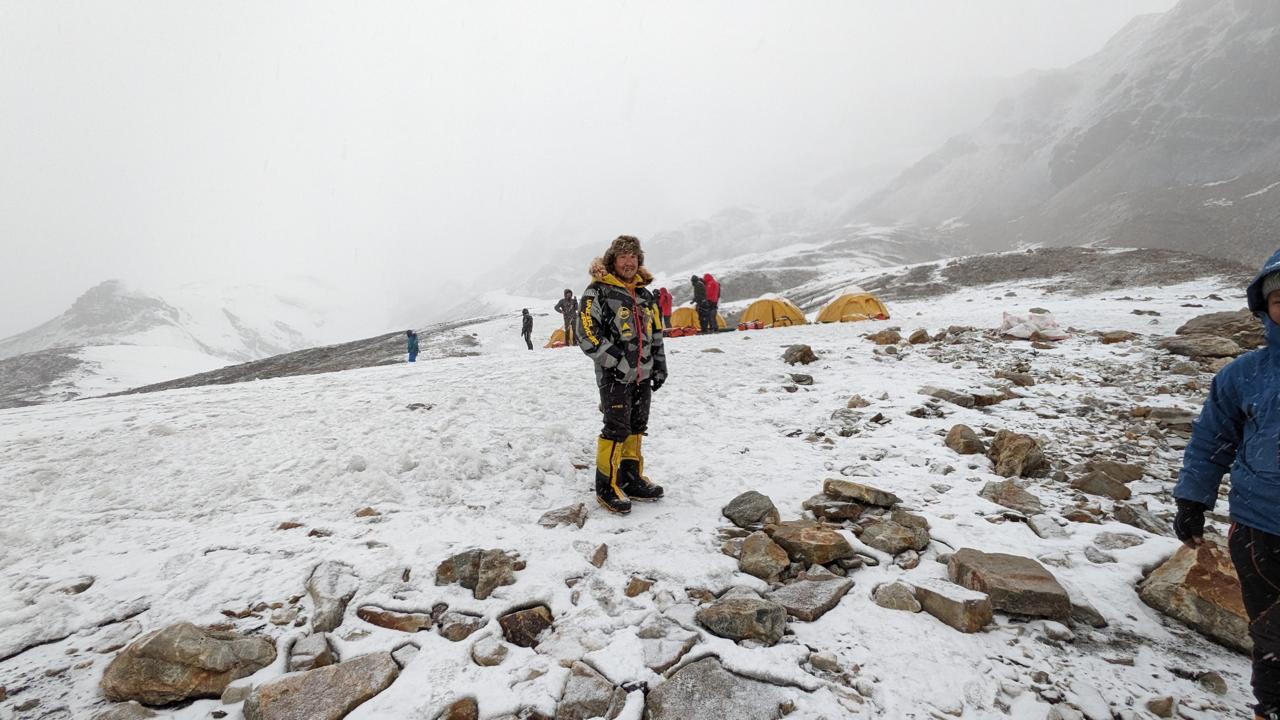
For budget-conscious travelers, the normal Mera Peak trek is generally the better choice because it does not require the additional helicopter transportation cost.
Helicopter flights add a significant logistical expense, which is reflected in the higher price of Heli Shuttle packages. In exchange, travelers are purchasing time, convenience, reduced physical effort, and an aerial Himalayan experience.
So the decision is straightforward:
If budget is your primary concern, choose the normal trek. If your time has greater value than the additional transportation cost, Heli Shuttle can be worth it.
Which Offers the Better Mountain Experience?
This depends on what you mean by "experience."
The normal trek gives you more ground-level Himalayan immersion. You walk through the valleys, interact with local communities, observe changing vegetation and landscapes, and experience the gradual transition from lower forests to high alpine terrain.
The Heli Shuttle gives you a different kind of experience. In addition to the trekking and climbing, you get an aerial perspective of the mountains and valleys. Flying over the remote Himalayan landscape after completing your summit can be an unforgettable final chapter to the expedition.
Therefore, neither is objectively better for scenery—they simply provide different perspectives of the Himalayas.
For trekkers who define adventure as walking through remote mountain terrain, the normal route is the better choice.
For climbers who define adventure as reaching a high-altitude summit efficiently and combining mountaineering with modern Himalayan aviation, the Heli Shuttle option may be more appealing.
The helicopter does not make Mera Peak itself easy. You still need to trek to the climbing zone, acclimatize, train with climbing equipment, sleep at high altitude, reach High Camp, and complete the summit attempt. Current climbing programs continue to describe Mera Peak as a challenging high-altitude expedition despite the helicopter return.
For travelers with 10–16 days available, the helicopter option can be particularly attractive because several current packages are specifically structured around shortening the overall expedition by removing the return trek.
This can allow you to spend your limited Nepal vacation on the parts that matter most: acclimatization, climbing preparation, the summit, and experiencing the Himalayas.
Normal Trek Is Better If You Have More Time
If you have three weeks or more and genuinely enjoy trekking, there is little reason to rush back.
The normal Mera Peak route gives you additional time in the mountains and allows you to complete the journey on foot. For many experienced trekkers, those extra days are not wasted—they are part of the adventure.
In conclusion, Heli Shuttle is better for efficiency, comfort, recovery, and limited vacation time, while the Normal Mera Peak Trek is better for complete trekking immersion, budget-conscious travel, and travelers who value the journey as much as the summit. The most important consideration is not simply whether a helicopter is included, but whether the itinerary maintains proper acclimatization, adequate preparation, weather flexibility, and safe climbing practices. Helicopter operations can be affected by visibility, wind, weather, and aircraft availability, so the flight should always remain subject to safe operating conditions.
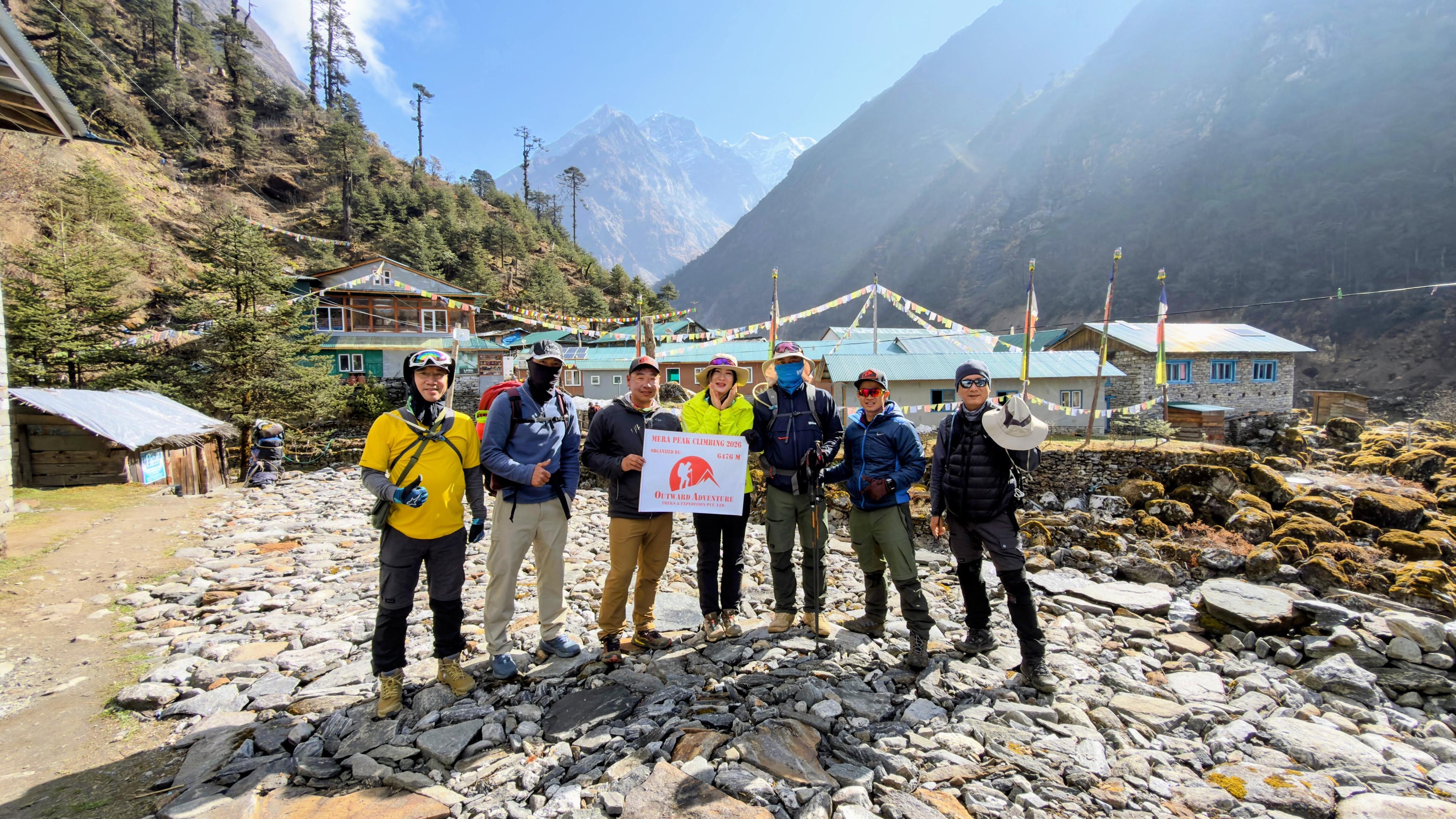
Yes, Mera Peak Climbing with Heli Shuttle can be suitable for beginner climbers, but “beginner-friendly” should not be confused with “easy.” At 6,476 meters (21,247 feet), Mera Peak is a serious high-altitude mountain. Its standard climbing route is generally considered less technically demanding than many other Himalayan peaks, and previous technical mountaineering experience is not always required. However, beginners need strong physical fitness, proper acclimatization, basic climbing training, and professional guide support.
One of the biggest reasons beginners choose Mera Peak is that the technical climbing requirements are relatively manageable. Climbers normally need to learn fundamental skills such as walking with crampons, using an ice axe, wearing a harness, moving safely on glacier terrain, and using fixed ropes where required. These skills can generally be taught during the expedition before the summit attempt.
The greater challenge is usually altitude rather than advanced technical climbing. At 6,476 meters, oxygen availability is dramatically reduced, and the combination of altitude, cold, long trekking days, and a demanding summit push can challenge even experienced trekkers.
The main advantage of adding a Heli Shuttle to Mera Peak Climbing is logistical convenience. It can reduce selected trekking sections—particularly the return journey—rather than making the actual mountain easier.
For a beginner, this can be valuable because several days of trekking after an exhausting summit attempt can add considerable fatigue. A helicopter return can help reduce that additional walking and provide a more comfortable conclusion to the expedition.
However, the helicopter should not be used to bypass essential acclimatization. A responsible beginner itinerary still needs gradual altitude gain, rest days, and sufficient time to prepare for the summit. The helicopter is best viewed as a transportation advantage, not an altitude shortcut.
Beginners Still Need Strong Physical Preparation
A first-time climber should be capable of handling long uphill trekking days, often for several hours at a time, while carrying or managing a daypack. Good cardiovascular fitness, leg strength, endurance, and mental resilience are particularly important. Several current climbing guides recommend previous high-altitude trekking experience, although the amount of experience expected varies between operators.
A beginner who has already completed a demanding trek such as Everest Base Camp, Annapurna Circuit, or another high-altitude route may be better prepared than someone whose only experience consists of short low-altitude hikes. (Accessible Adventure)
Before attempting the summit, beginner climbers should receive practical instruction in:
The purpose of this training is to give beginners confidence and help them move safely on snow and glacier terrain.

For some beginners, yes. A Heli Shuttle itinerary can be particularly attractive if the climber has limited vacation time or wants to reduce the physical burden of the return trek.
A normal Mera Peak itinerary, however, can be better for beginners who have enough time and want a slower, more immersive Himalayan experience. More trekking time can also provide additional opportunities to gradually adapt to the environment, although the itinerary must be specifically designed for appropriate acclimatization.
The key is not simply whether the trip includes a helicopter. The quality of the itinerary, acclimatization schedule, guide support, weather flexibility, and preparation are more important.
Who Should Not Treat Mera Peak as a Beginner Climb?
Mera Peak should not be treated as a casual first adventure for someone who has little trekking experience, poor physical conditioning, or no understanding of high-altitude environments. Even sources that describe Mera Peak as beginner-friendly emphasize that it remains a genuine 6,000-meter climb.
If someone has never completed a multi-day trek or experienced significant altitude, gaining trekking experience first can be a sensible approach.
Final answer is Yes, Mera Peak Climbing with Heli Shuttle can be an excellent first Himalayan climbing experience for a well-prepared beginner. You do not necessarily need previous technical mountaineering experience, but you do need strong fitness, appropriate preparation, gradual acclimatization, basic mountaineering training, and an experienced climbing team. (Satori Adventures)
The Heli Shuttle makes the logistics more convenient; it does not make the 6,476-meter summit easy. For a beginner who wants to experience high-altitude mountaineering while reducing unnecessary trekking time—especially on the return—this combination can offer an attractive balance between adventure, efficiency, comfort, and Himalayan climbing experience.
Mera Peak Climbing with Heli Shuttle is an exciting and practical choice for both experienced trekkers and well-prepared beginner climbers who want to experience a 6,000-meter Himalayan summit while making the overall journey more efficient. The helicopter shuttle can reduce lengthy return trekking, save valuable time, minimize post-summit fatigue, and add a spectacular aerial perspective of the Himalayan landscape. However, it does not remove the real challenges of Mera Peak. Proper acclimatization, physical fitness, climbing preparation, suitable equipment, experienced guides, and responsible decision-making remain essential for a safe and successful summit attempt.
For beginners especially, the combination can provide an excellent introduction to Himalayan peak climbing when undertaken with a carefully designed itinerary. The key is to use the helicopter as a logistical advantage rather than an altitude shortcut, allowing sufficient time for the body to adapt before attempting the summit.
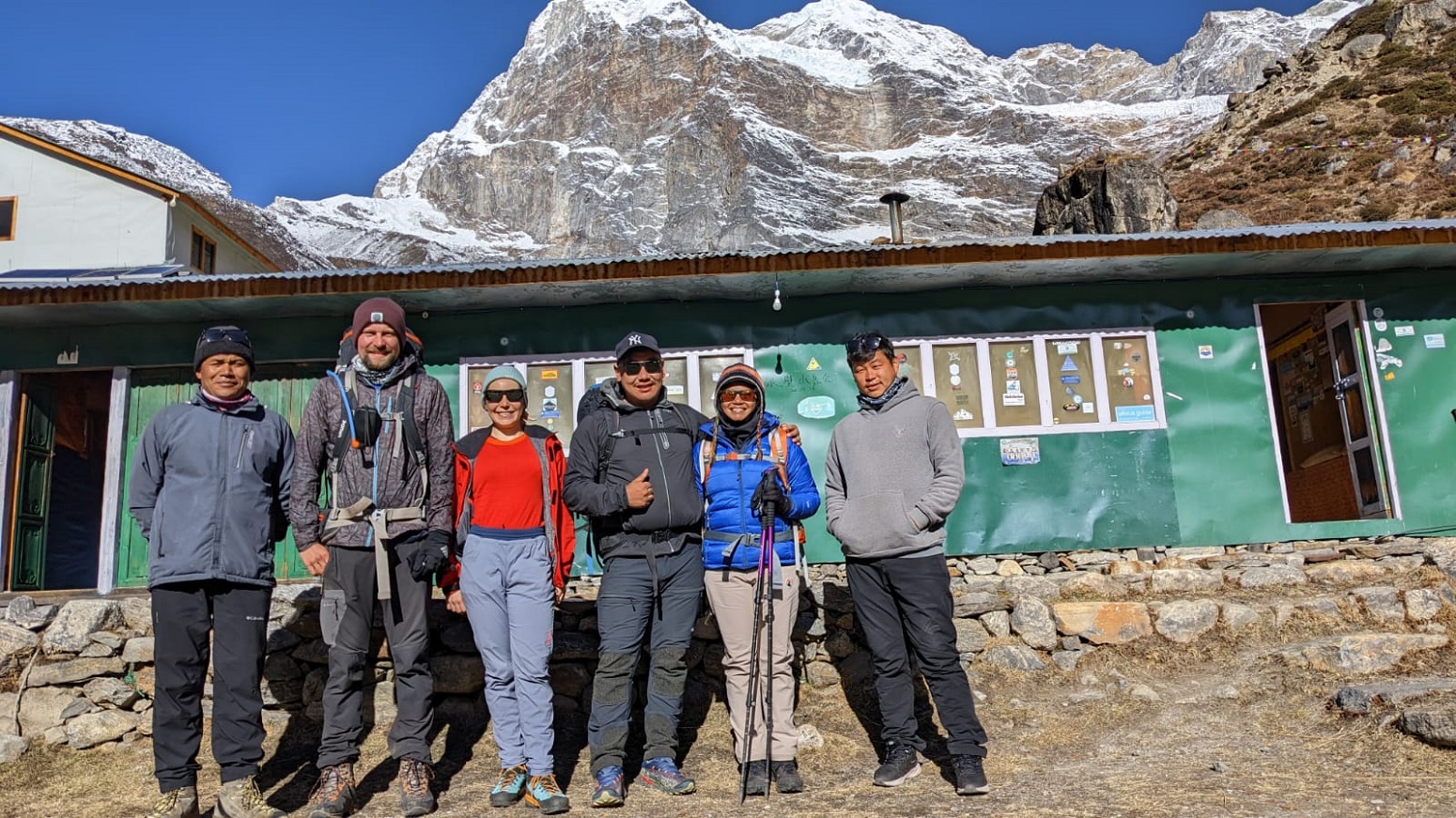
With professional mountain guides, carefully planned acclimatization, reliable logistics, and a strong focus on safety, Outward Adventure Treks provides an opportunity to experience Mera Peak in a more comfortable and time-efficient way. Whether you choose the traditional trekking return or the Heli Shuttle option, the goal remains the same: a safe, rewarding, and unforgettable journey to the summit of Mera Peak at 6,476 meters. For climbers looking for a well-organized Mera Peak Climbing with Heli Shuttle in Nepal, Outward Adventure Treks can help turn this Himalayan ambition into a memorable mountain adventure.
 Sep 19, 2026
Tharpu Chuli (Tent Peak) Climbing: Complete Nepal Peak Climbing Guide Tent Peak Climbing, also known as Tharpu Chuli Pe...
Read More Sep 12, 2026
Namche Bazaar: The Gateway to Everest Trekking and Sherpa Culture Namche Bazaar is one of the most famous mountain sett...
Read More Sep 10, 2026
Peak Climbing vs. Expedition in Nepal: Understanding the Difference Nepal is one of the world’s premier destinati...
Read More Sep 04, 2026
The Himlung Himal Expedition is an extraordinary high-altitude mountaineering adventure in Nepal, offering experienced c...
Read More
Leave a Comment