
Any Questions? Email Us
Talk to an Expert
Lobuche East Peak Climbing is one of the most rewarding and technically exciting high-altitude adventures in the Everest region of Nepal. Rising to 6,119 meters (20,075 feet), this spectacular Himalayan summit offers an unforgettable combination of world-famous trekking, Sherpa culture, glacier landscapes, technical mountaineering, and breathtaking mountain panoramas. Located in the heart of the Khumbu region, Lobuche East is recognized as one of Nepal’s popular trekking peaks, yet it should not be underestimated: the climb requires strong physical preparation, proper acclimatization, essential mountaineering skills, and professional guidance.
With Outward Adventure Treks, the journey to Lobuche East Peak is designed to combine adventure, safety, professional support, and authentic Himalayan experiences. The expedition typically follows the legendary Everest region trekking route, taking climbers through the gateway settlement of Lukla and into the heart of Sherpa country. The trail passes through iconic mountain destinations and high-altitude landscapes, gradually building the climber’s experience and acclimatization before the summit attempt. The journey through the Khumbu offers a remarkable connection between trekking and true Himalayan mountaineering.
Lobuche East Peak Climbing is an excellent choice for adventure travelers who want to progress beyond ordinary trekking and experience the excitement of climbing a Himalayan mountain. The summit route can involve snow, ice, rocky terrain, fixed ropes, crampons, ice axes, and a challenging ridge, making the expedition a genuine mountaineering objective rather than simply a high-altitude walk. Proper training and guidance are therefore important, especially for climbers who are new to technical Himalayan peak climbing.
One of the greatest highlights of Lobuche East is its exceptional summit panorama. From the higher sections of the mountain and the summit area, climbers can experience extraordinary views of the Everest Himalaya, including Mount Everest, Lhotse, Nuptse, Ama Dablam, Pumori, Makalu, and surrounding Himalayan peaks, depending on weather and visibility. The dramatic Khumbu Glacier and surrounding valleys add to the scale and beauty of the expedition, creating an unforgettable reward after days of trekking and climbing.
The experience begins long before summit day. The approach through the Everest region introduces climbers to suspension bridges, traditional Sherpa settlements, Buddhist monasteries, prayer flags, deep valleys, alpine terrain, and some of the most iconic mountain scenery in Nepal. As the journey gains altitude, the environment changes dramatically from forested valleys to rugged glacial landscapes. This gradual transition is one of the reasons Lobuche East Peak Climbing is considered a complete Himalayan adventure rather than only a climbing trip.
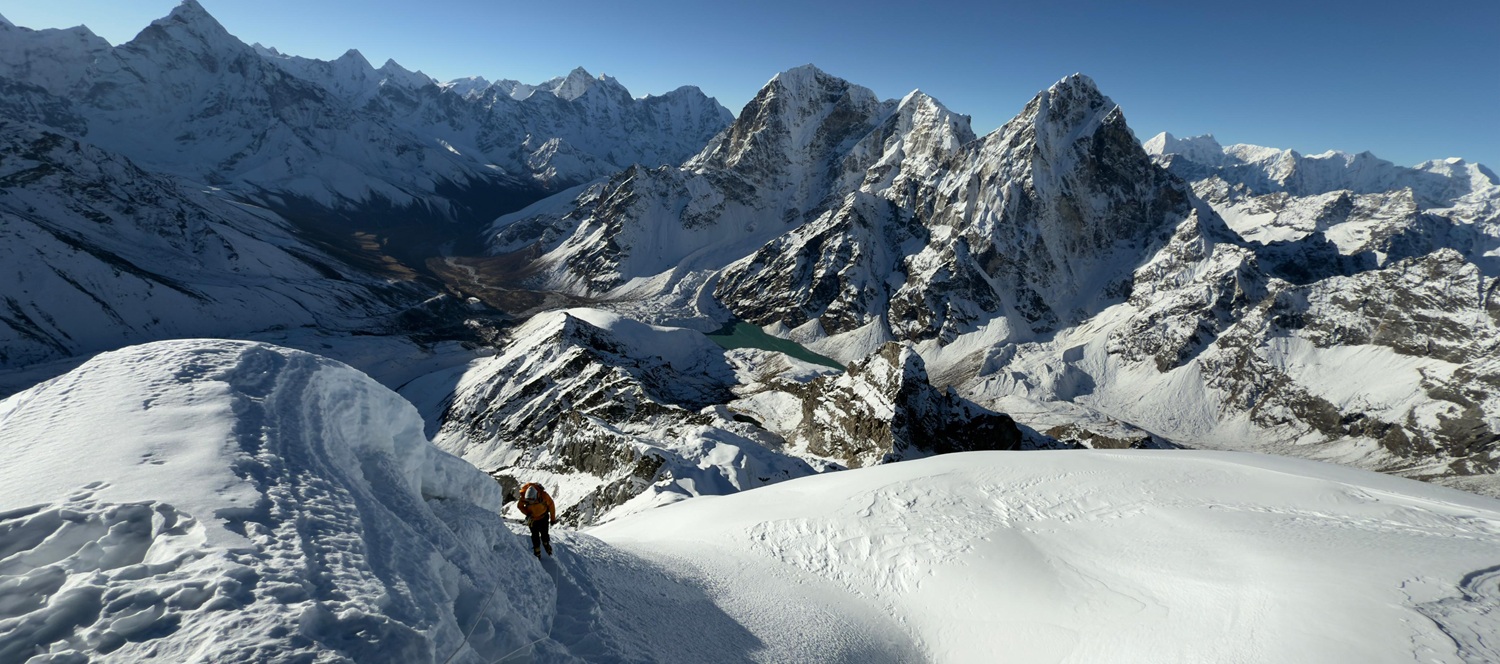
A successful ascent depends heavily on acclimatization, physical fitness, weather conditions, and a carefully managed itinerary. Reaching more than 6,000 meters means that the human body must adapt gradually to decreasing oxygen levels. Outward Adventure Treks focuses on building appropriate acclimatization into the journey and preparing climbers for the mountain environment. Before the summit attempt, climbers can receive practical training and familiarization with essential climbing equipment and techniques, including crampon use, ice axe handling, rope safety, and fixed-line movement.
Summit day is the ultimate challenge and highlight of the expedition. Climbers generally begin their ascent early, moving through cold and demanding high-altitude conditions while following their professional climbing team and established safety procedures. Every step toward the summit requires patience, determination, teamwork, and respect for the changing mountain environment. Standing on Lobuche East Peak after overcoming the physical and mental demands of the climb is an achievement that creates memories for a lifetime.
For climbers searching for Lobuche East Peak Climbing in Nepal, Nepal trekking peaks near Everest, guided Himalayan peak climbing, or a challenging Everest region climbing adventure, Lobuche East stands out as an exceptional choice. It combines the legendary atmosphere of the Khumbu with a demanding and rewarding summit experience. The mountain provides an ideal progression for strong trekkers and aspiring mountaineers who want to develop their high-altitude climbing experience under professional guidance.
Choose Outward Adventure Treks for a carefully organized Lobuche East Peak Climbing experience focused on experienced leadership, local Himalayan knowledge, safety, acclimatization, and personalized expedition support. From the first steps in Kathmandu to the final celebration after the climb, the journey is designed to deliver far more than a summit. It is an opportunity to explore the Everest region, experience the remarkable culture of the Himalayas, challenge personal limits, and stand proudly above 6,000 meters in one of the most spectacular mountain landscapes on Earth. Lobuche East Peak Climbing with Outward Adventure Treks is where legendary Himalayan scenery meets real mountaineering adventure, creating an extraordinary journey for climbers seeking their next great achievement in Nepal.
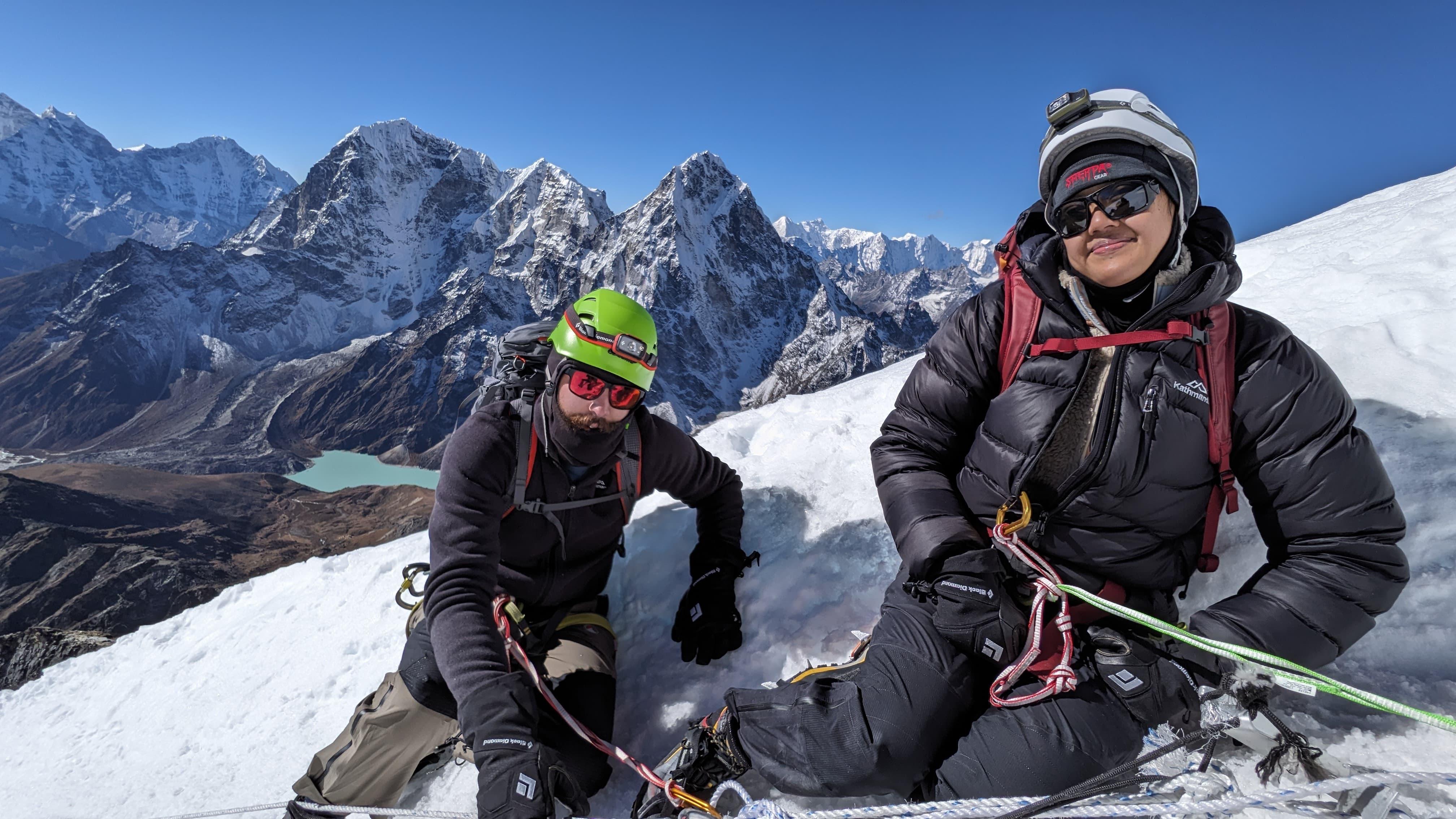
Climbing Lobuche East Peak is challenging and physically demanding, typically considered a moderate-to-difficult Himalayan climbing expedition. At 6,119 meters (20,075 feet), the climb requires much more than ordinary trekking because high altitude, steep snow slopes, cold temperatures, glacier terrain, and technical climbing sections all add to the difficulty.
The journey usually includes a long trek through the Everest region to achieve proper acclimatization before reaching Lobuche Base Camp and High Camp. The summit push often begins very early in the morning and can involve walking with crampons, using an ice axe, fixed ropes, and other mountaineering equipment. The final summit ridge may be steep and exposed, requiring confidence, stamina, and careful guidance from experienced climbing professionals.
For first-time Himalayan climbers, Lobuche East can be an excellent but serious introduction to technical mountaineering. Previous high-altitude trekking experience is helpful, while basic knowledge of using crampons, ropes, and an ice axe is an advantage. However, climbers should be physically fit and prepared for long days at altitude.
With Outward Adventure Treks, climbers receive professional support, proper acclimatization, climbing preparation, and experienced guidance to help manage the expedition safely and confidently. Overall, Lobuche East is harder than the Everest Base Camp Trek and requires real mountaineering effort, but with strong preparation and the right climbing team, it is an achievable and highly rewarding Himalayan summit adventure.
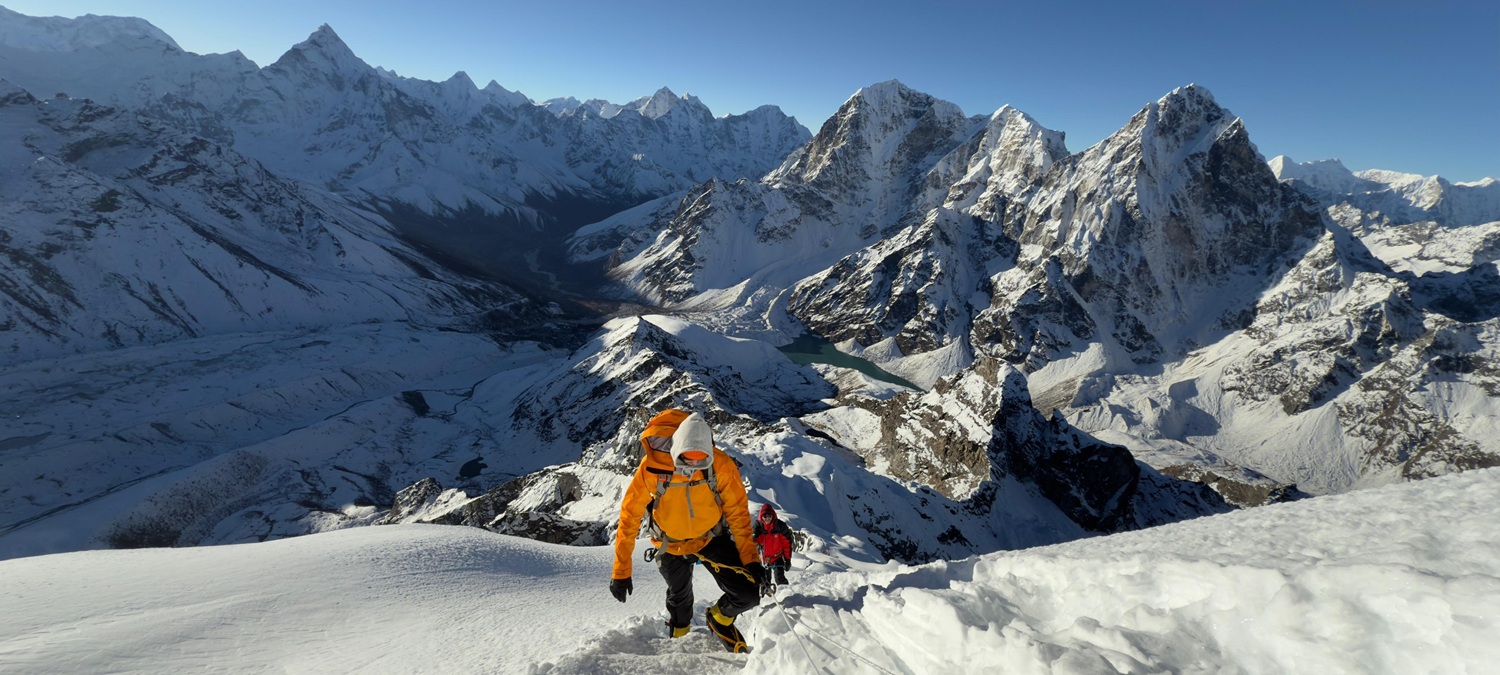
Choosing the right season is one of the most important factors for a successful and enjoyable Lobuche East Peak Climbing expedition in Nepal. Because Lobuche East rises to 6,119 meters (20,075 feet) in the high-altitude Everest region, weather conditions, snowfall, wind, temperature, visibility, and climbing-route conditions can significantly affect the overall experience and summit success. Although it is technically possible to visit the Khumbu region during different times of the year, the best seasons for climbing Lobuche East Peak are spring and autumn.
For most climbers, the best months are April, May, October, and November. Among them, May and October are often considered the strongest months because they generally offer a good balance of climbing conditions, stable weather, visibility, and temperatures. However, the ideal month can depend on your climbing experience, weather tolerance, crowd preference, and travel schedule.
Spring is one of the best and most popular seasons for Lobuche East Peak Climbing. The season begins as winter gradually ends and continues until the beginning of the summer monsoon. During spring, the Everest region becomes increasingly active with trekkers, mountaineers, and major Himalayan expeditions.
March marks the beginning of the main spring climbing season. The weather begins to improve after the cold winter months, while higher sections of the mountain can still remain very cold and snow-covered. The trails are generally less crowded than in April and May, making March a good choice for climbers who prefer a quieter Himalayan experience.
However, temperatures at Lobuche Base Camp and higher elevations can still be extremely low, especially during the night and early morning. Fresh snow or winter weather patterns may also affect route conditions. March is therefore best suited to climbers who are well prepared for colder conditions.
April is one of the best months for Lobuche East Peak Climbing. Temperatures gradually become more manageable, daylight hours increase, and the weather often becomes more favorable for trekking and climbing. The Everest region is alive with expedition activity, and the climbing environment offers an exciting atmosphere.
By April, many climbers find a good balance between stable weather and manageable temperatures. The snow and ice conditions on the upper mountain can provide a classic Himalayan climbing experience. However, the Everest region becomes busier, and flights, accommodation, guides, and climbing services may experience high demand. Early booking is therefore strongly recommended.
May is often considered one of the best individual months to climb Lobuche East. It is one of the warmest months for high-altitude climbing before the summer monsoon becomes dominant. Longer days and relatively warmer temperatures can make the approach trek and expedition more comfortable.
May is particularly popular among climbers because it offers excellent Himalayan scenery and favorable opportunities for summit attempts. However, conditions can change quickly, and warmer daytime temperatures may affect snow conditions. Afternoon cloud and changing weather patterns can also develop as the monsoon season approaches.
For many international climbers, late April to mid-May is an excellent period because it combines the advantages of the late spring climbing window.
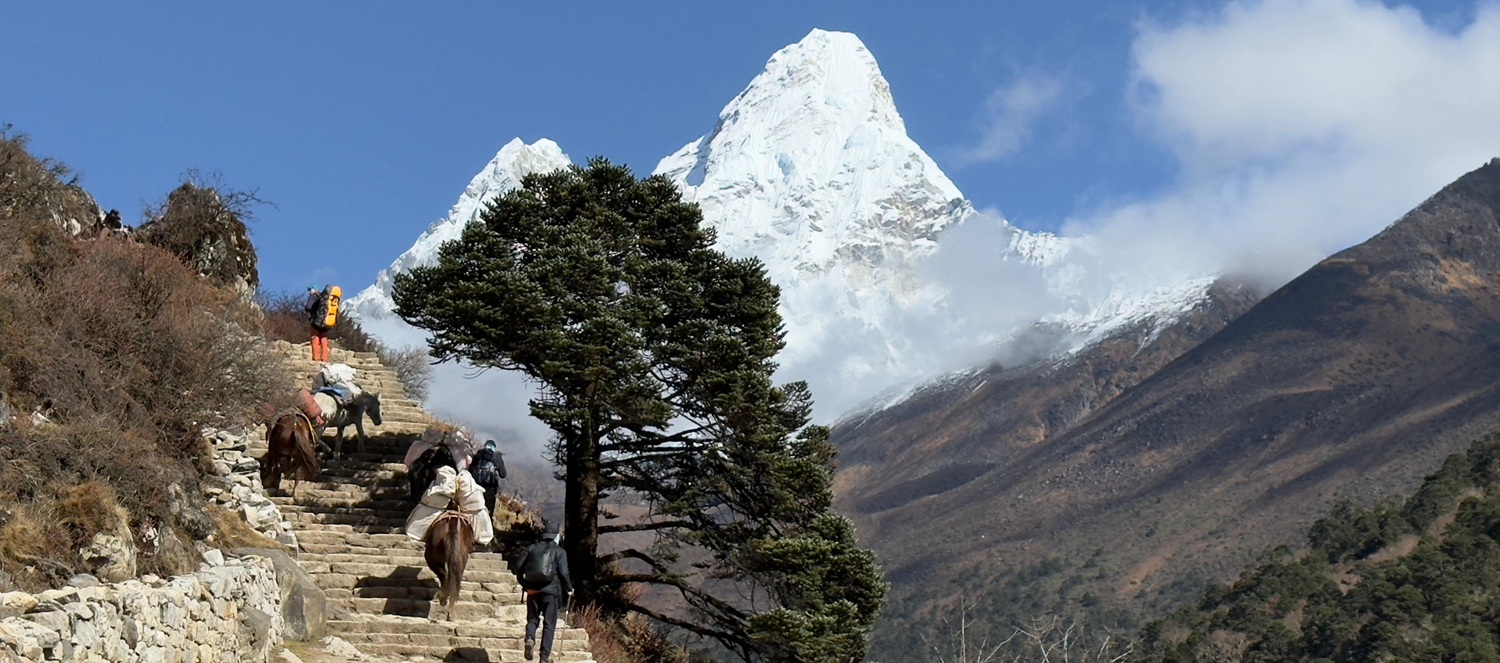
Autumn is another outstanding season for Lobuche East Peak Climbing and is often considered the most stable season for weather and mountain visibility. After the monsoon, the atmosphere becomes cleaner, the skies often turn clearer, and the Himalayan landscape appears spectacular.
September is the transition month between the monsoon and the main autumn season. Early September can still experience rainfall and cloud, particularly at lower elevations. As the month progresses, weather conditions usually improve significantly.
Late September can be an excellent choice for climbers who want greener landscapes and fewer crowds before the busiest trekking period. However, there can still be some seasonal instability, making October a more reliable choice for many climbers.
October is widely considered the best month for Lobuche East Peak Climbing. After the monsoon, the Everest region usually experiences clear skies, excellent mountain visibility, stable conditions, and beautiful landscapes. The views of Everest, Lhotse, Nuptse, Ama Dablam, and other Himalayan giants can be absolutely spectacular.
The climbing route often benefits from the stable autumn weather window, and daytime trekking conditions are generally comfortable. October is also a peak trekking and climbing month in Nepal, which means the Everest region can become crowded and services may be in high demand.
For climbers looking for the best combination of weather, visibility, trekking conditions, and summit opportunities, October is one of the strongest choices.
November remains an excellent month for Lobuche East climbing, especially during the first half of the month. The skies can remain exceptionally clear, and the post-monsoon Himalayan views are often outstanding. Crowds may gradually decrease compared with October.
The major challenge in November is the increasing cold. As winter approaches, nighttime temperatures at higher elevations can drop dramatically. Snow and wind conditions can also become more demanding later in the month. Nevertheless, experienced and well-prepared climbers often enjoy November because of its quieter trails and beautiful mountain views.
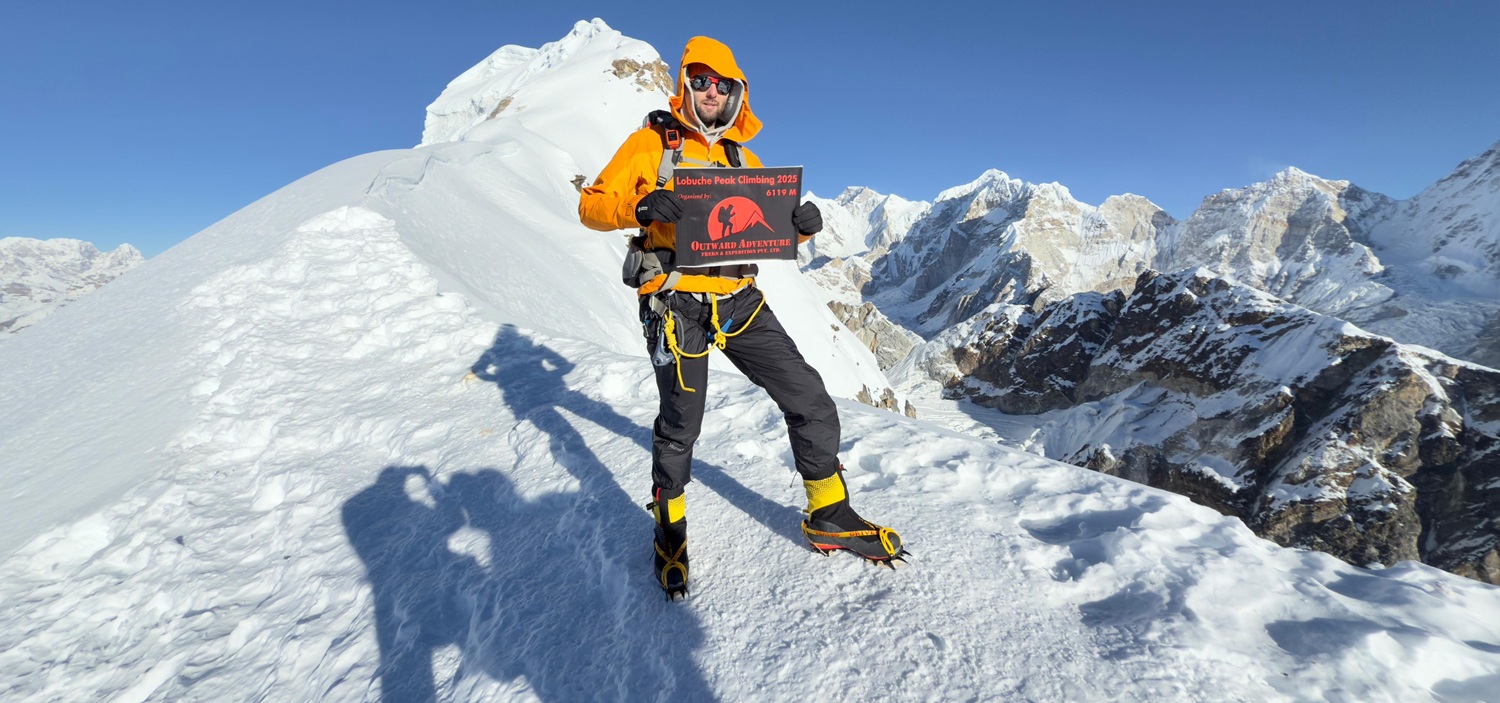
The summer monsoon season is generally not recommended for Lobuche East Peak Climbing. Heavy rainfall, cloud cover, reduced visibility, slippery trails, flight delays, and increased avalanche or weather-related risks can make the journey more complicated.
Higher elevations may still receive snow, while lower areas experience significant rainfall. The mountains are extremely beautiful and green during this period, but changing weather conditions can make summit planning difficult. Only specialized expeditions with flexible schedules should seriously consider this period.
Winter is the least popular season for Lobuche East Peak Climbing because of extreme cold, stronger winds, heavy snow, and shorter daylight hours. Temperatures at high camp and on summit day can become dangerously cold.
The advantage is that the Everest region is quieter and mountain visibility can sometimes be exceptional. However, winter climbing requires excellent preparation, high-quality equipment, and strong tolerance for severe cold conditions. It is generally better suited to experienced mountaineers.
So, Which Month Is the Absolute Best? If you want one simple answer:
For the best chance of an enjoyable and successful Lobuche East Peak Climbing experience, April–May and October–November are the strongest climbing windows. If you prefer one of the most balanced months, choose October for generally stable autumn conditions and exceptional visibility, or May for favorable spring climbing conditions and a warmer high-altitude environment.
With Outward Adventure Treks, choosing the right itinerary is just as important as choosing the right season. Proper acclimatization, physical preparation, weather monitoring, flexible summit planning, professional guides, and high-quality climbing support all play essential roles in a successful expedition. No season can guarantee a summit, but careful preparation and a professionally managed climb can help you make the most of your Lobuche East adventure. The best season brings you to the mountain—but preparation, patience, and the right team help take you toward the summit.
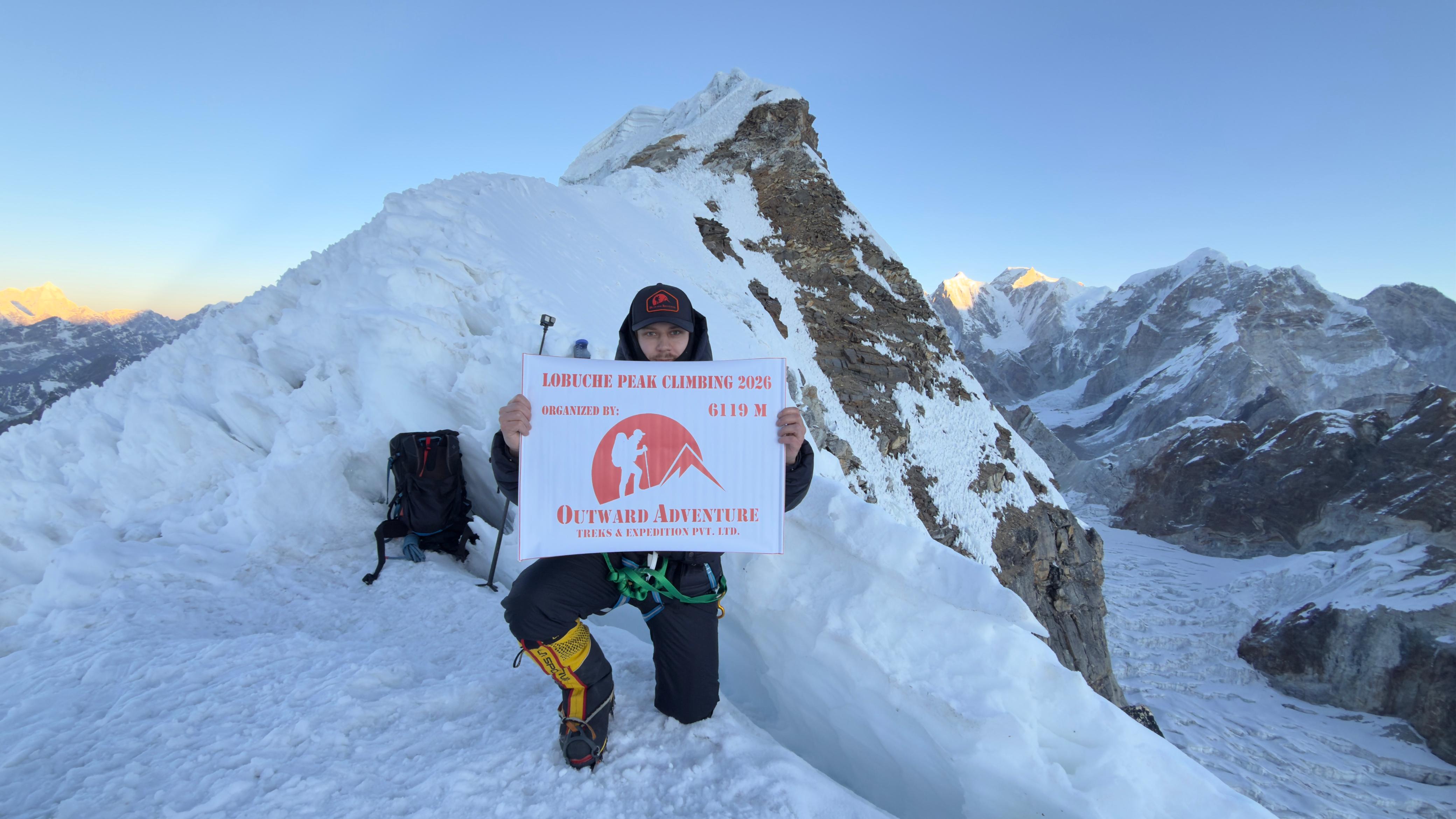
Outward Adventure Treks can offer the following rough fixed departure windows for Lobuche East Peak Climbing (6,119m) in 2027 and 2028. The dates are planned around the two main Himalayan climbing seasons: Spring (March–May) and Autumn (September–November). Final departures may be adjusted slightly according to weather, flight operations, permit arrangements, and route conditions.
6 March 2027 — Early Spring Departure
3 April 2027 — Prime Spring Departure
27 April 2027 — Best Spring Climbing Window
8 May 2027 — Late Spring Departure
26 September 2027 — Early Autumn Departure
10 October 2027 — Prime Autumn Departure
1 November 2027 — Late Autumn Departure
11 March 2028 — Early Spring Departure
6 April 2028 — Prime Spring Departure
6 May 2028 — Late Spring Departure
23 September 2028 — Early Autumn Departure
13 October 2028 — Prime Autumn Departure
3 November 2028 — Late Autumn Departure
Comparable 2028 Lobuche departure windows are already being listed by some international operators, including March, May, and September, supporting these approximate seasonal scheduling patterns.
Best Recommended Departures
For the best balance of weather, acclimatization, visibility, and climbing conditions, Outward Adventure Treks can highlight:
Book your Lobuche East Peak Climbing adventure for 2027/2028 with Outward Adventure Treks and take your next step toward an unforgettable 6,119-meter Himalayan summit!
The estimated cost of Lobuche East Peak Climbing (6,119m) depends on the itinerary, group size, season, services, and whether the Everest Base Camp Trek is included. For 2027 and 2028 planning, a realistic market estimate for a professionally guided Lobuche East expedition is generally USD 2,500 to USD 4,500 per person, while shorter climb-only services from Lobuche cost significantly less. (Overland Trek Nepal)
Estimated Package Cost with Outward Adventure Treks
Outward Adventure Treks – Lobuche Peak Climbing
The current listed starting price is USD 2,650 per person, with group discounts:
1 Person: USD 2,650
2–5 Persons: USD 2,517 per person
6–10 Persons: USD 2,385 per person
11–15 Persons: USD 2,252 per person
These prices provide a useful baseline for planning a 2027/2028 Lobuche East Peak Climbing expedition, although future costs may change because of permit fees, flights, logistics, and operating costs.
What Does the Estimated Cost Generally Cover?
A complete guided package commonly includes:
Exact inclusions can vary between packages, so climbers should always check the final itinerary and cost sheet before booking.
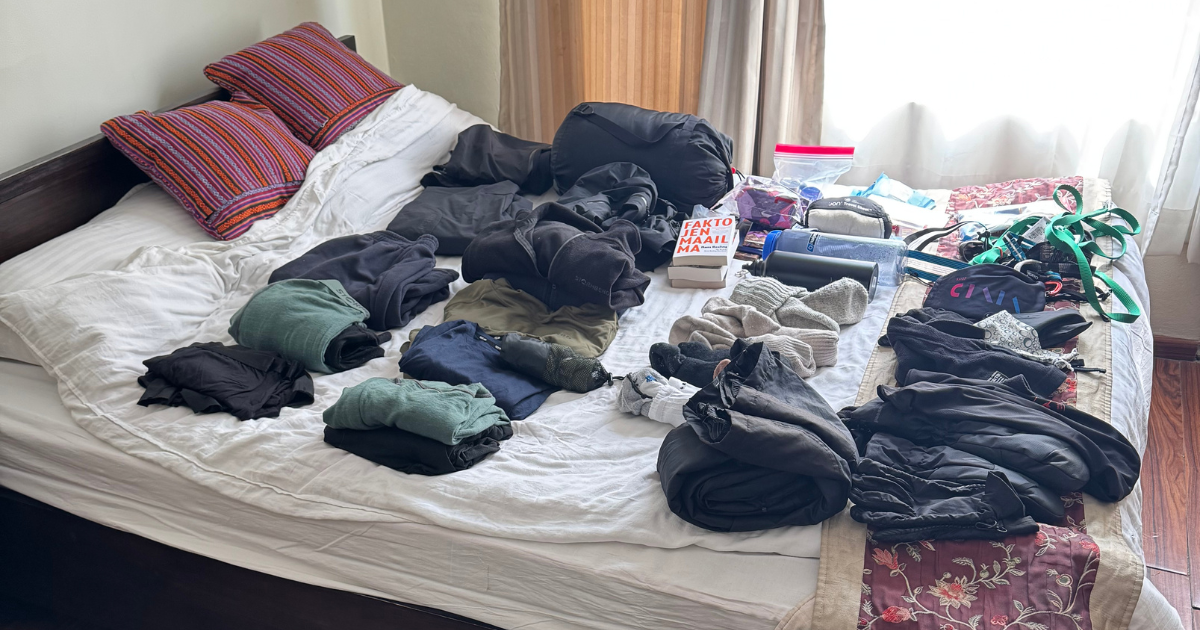
Extra Personal Expenses to Budget For
In addition to the package price, climbers should plan extra funds for:
For a complete trip budget, excluding international airfare, many climbers may realistically need approximately USD 3,800 to USD 5,200, depending on insurance, equipment, personal expenses, and the service level selected.
For promotional and planning purposes, a good estimated price for Lobuche East Peak Climbing with Outward Adventure Treks would be:
From USD 2,650 Per Person (Group Discount Available)
The exact cost may be updated closer to the departure date because Himalayan expedition prices can be affected by government permits, domestic flights, accommodation, staff costs, and operational expenses.
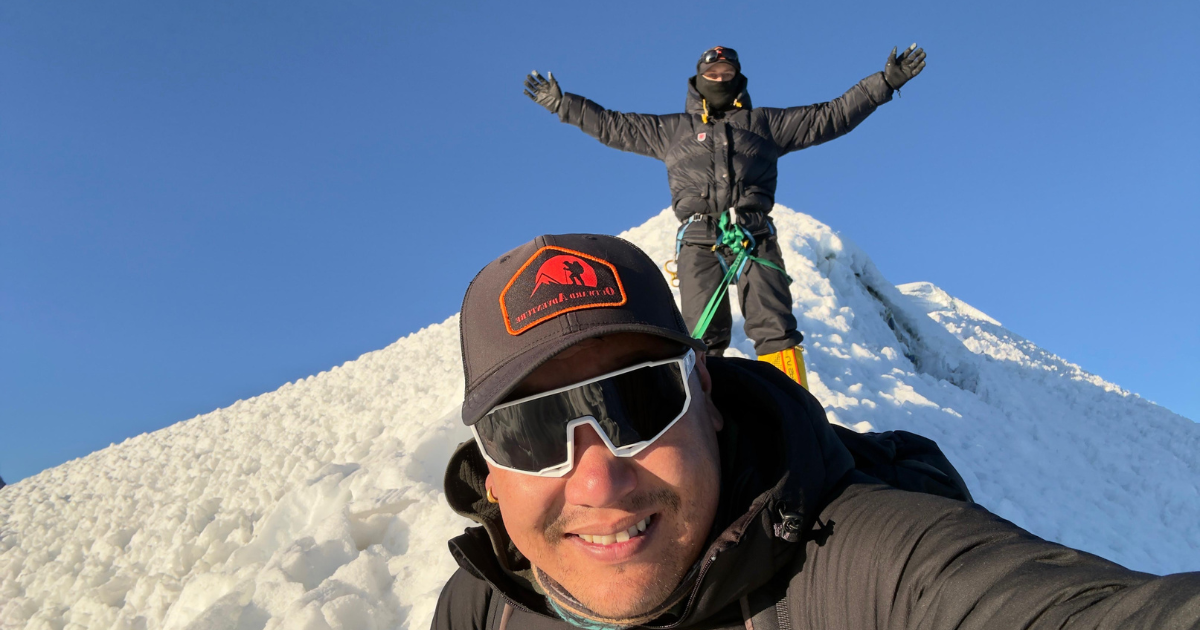
Lobuche East Peak Climbing (6,119 meters / 20,075 feet) is considered a challenging and technically demanding Himalayan adventure. Although it is officially classified as a trekking peak, climbers should not mistake that classification for an easy trek. The expedition combines high-altitude trekking with genuine mountaineering challenges, including glacier travel, steep snow and ice slopes, fixed ropes, crampons, an exposed summit ridge, extreme cold, and a demanding summit day. The route is commonly described around the PD to PD+ alpine grade, depending on the route and conditions.
Lobuche East is significantly more demanding than a normal Everest region trek. Climbers must first spend many days trekking at high altitude before attempting the summit. By the time the climbing phase begins, fatigue can already be a major factor. The combination of altitude, technical terrain, cold temperatures, long climbing hours, and changing weather makes Lobuche East a serious challenge even for physically fit trekkers.
The mountain is particularly difficult because its technical climbing begins at a very high altitude. At sea level, a steep snow slope may be physically manageable for a trained climber, but performing the same task above 6,000 meters becomes much more exhausting because of reduced oxygen and accumulated fatigue. The upper route can involve approximately 30–45° snow and ice slopes, fixed-line movement, and an exposed summit ridge.
1.High Altitude Is the Biggest Challenge
The altitude of 6,119 meters is one of the main difficulties of Lobuche East. The amount of available oxygen is much lower than at lower elevations, which can affect physical performance, sleep, appetite, recovery, and decision-making.
Common altitude-related challenges include:
More serious altitude problems can occur if a climber ascends too quickly or fails to acclimatize properly. This is why a well-designed itinerary, rest days, hydration, proper pacing, and an experienced guide are extremely important.
2. The Technical Climbing Sections
Unlike ordinary trekking routes, Lobuche East requires real mountaineering skills. Climbers may need to use:
The upper mountain includes steep snow and ice terrain. Climbers must learn how to move efficiently while attached to fixed ropes and while wearing mountaineering boots and crampons. The technical difficulty becomes greater when snow conditions are hard, icy, deep, or affected by changing weather. The exposed summit ridge can also require balance, confidence, and careful rope management.
3. The Long and Demanding Summit Day
Summit day is generally the hardest part of the entire expedition. Climbers usually start during the night or very early in the morning to take advantage of colder and more stable mountain conditions.
A typical summit day can last approximately 10 to 12 hours or longer, depending on the team, route conditions, weather, and whether the party attempts the true summit. Climbers must ascend through cold and technical terrain, reach the summit, descend safely, and continue toward lower camp. The descent can be equally demanding because the climber is tired and must carefully manage technical terrain while maintaining concentration.
4. Weather Can Change Everything
Weather is one of the most unpredictable factors in Himalayan climbing. Strong winds, snowfall, poor visibility, extreme cold, and changing snow conditions can delay or cancel a summit attempt.
Even physically strong climbers may have to turn back if the weather becomes unsafe. A successful expedition therefore requires patience and flexibility. Reaching the summit is never more important than returning safely.
5. The True Summit of the Lobuche Peak Is More Difficult
An important detail about Lobuche East is the difference between the false summit and the true summit. Some expeditions may turn around at a lower point on the upper ridge, while the true summit is farther along the exposed ridge at 6,119 meters. Reaching the true summit can require additional technical skill, time, energy, and confidence. Climbers should therefore clearly confirm with their operator what summit objective the itinerary actually targets.
A single, independently audited universal success rate is difficult to establish because operators may define “success” differently and some figures may include a lower or false summit. Published operator estimates vary significantly, with examples ranging from approximately 65% to 85%+ depending on the expedition, season, itinerary, climber preparation, and definition of the summit objective. A more realistic general planning expectation for well-prepared climbers on a professionally guided expedition is often around 70% to 80%, but this should never be treated as a guarantee.
Factors That Can Improve Summit Success
A climber's chance of reaching the summit is generally improved by:
A well-organized itinerary is especially important. Climbers who rush to the mountain without enough acclimatization may be strong at lower altitudes but still struggle near the summit.
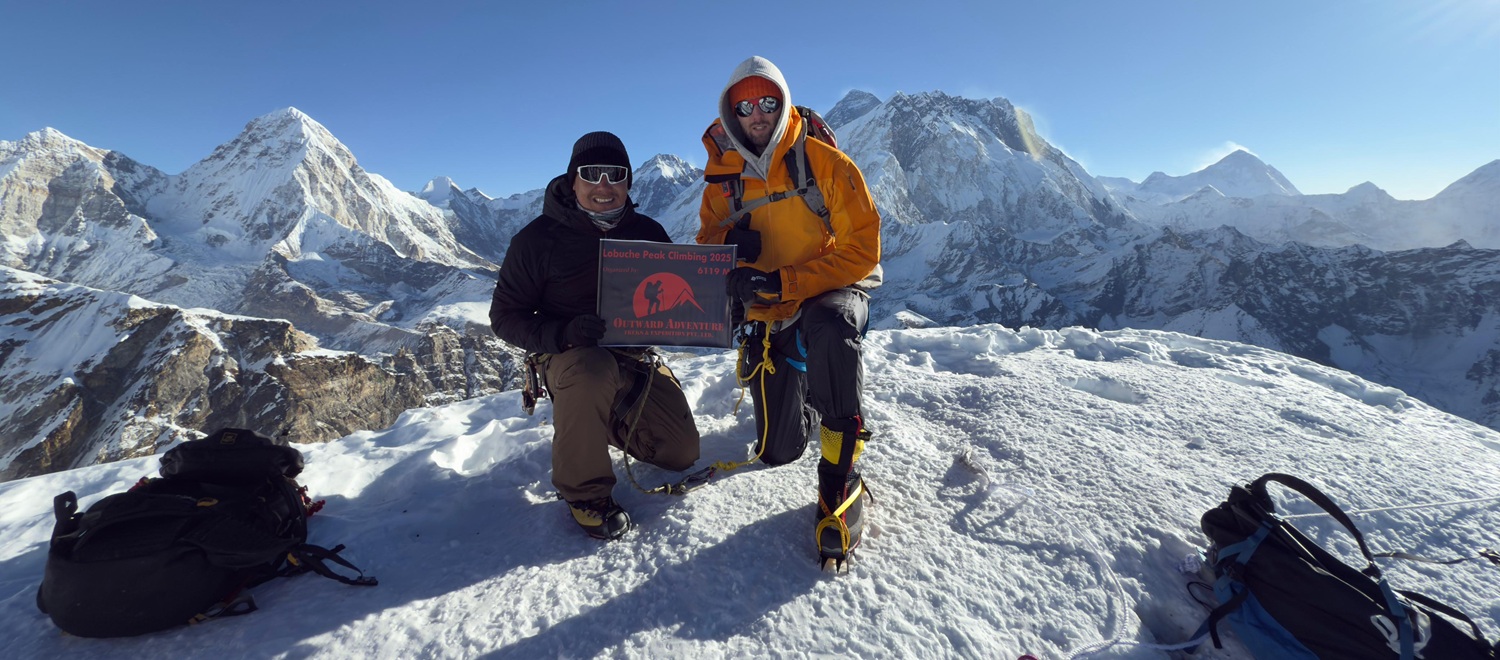
Yes—but only with serious preparation and professional guidance. Lobuche East is not ideal for an unprepared beginner. First-time Himalayan climbers should have strong fitness, preferably previous high-altitude trekking experience, and should learn basic technical skills before or during a professionally supervised expedition.
Climbers should train for endurance, uphill movement, leg strength, balance, cardiovascular fitness, and the ability to remain active for many hours. Familiarity with crampons, ice axes, fixed ropes, and climbing harnesses is highly beneficial.Lobuche East Peak is difficult but achievable for a well-prepared climber. The greatest challenges are not simply the technical sections—they are the combination of 6,119-meter altitude, long expedition days, fatigue, cold temperatures, technical snow and ice climbing, fixed ropes, exposed terrain, and unpredictable Himalayan weather.
With Outward Adventure Treks, the focus should be on proper acclimatization, experienced climbing support, technical preparation, and responsible decision-making. The goal is not simply to increase a success-rate number, but to provide climbers with the strongest possible preparation for a safe attempt at the true 6,119-meter summit.
For a well-prepared and professionally guided expedition, a roughly 70–80% summit success range is a reasonable general Lobuche Peak expectation—but the mountain, weather, route conditions, altitude, and individual climber performance will always determine the final outcome.
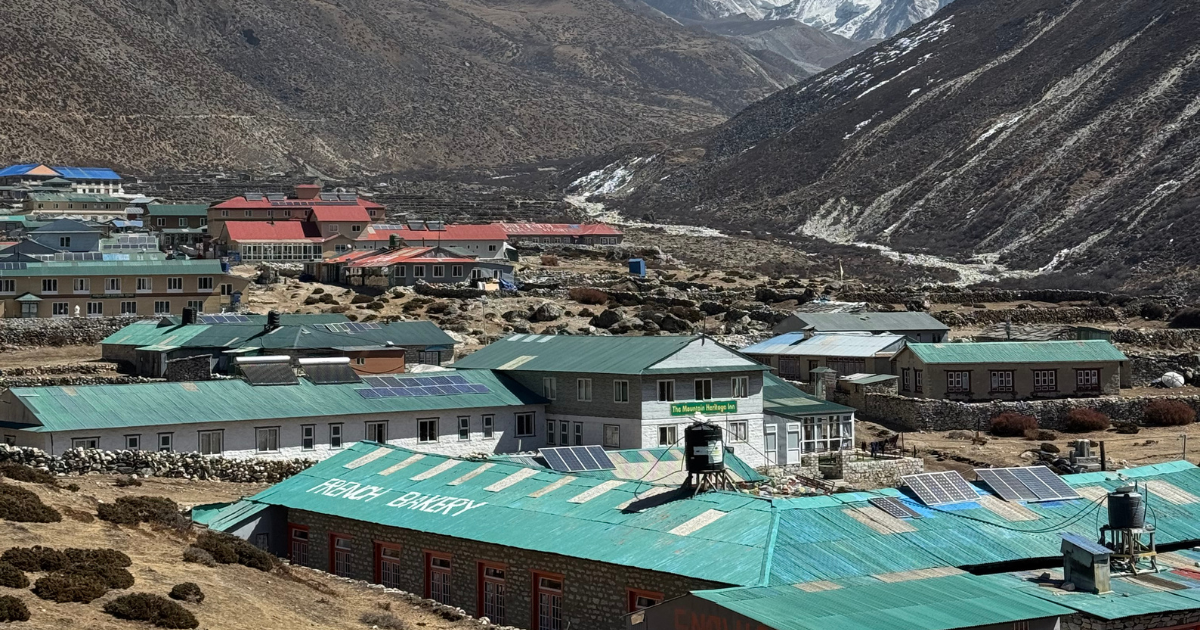
Lobuche East Peak Climbing is one of Nepal’s most popular 6,000-meter climbing adventures, but every Himalayan peak offers a different type of challenge. Some mountains are higher, some are more technical, while others demand greater endurance or previous climbing experience. Below is a one-by-one comparison of Lobuche East Peak with other popular peaks in Nepal, helping climbers understand which adventure best matches their experience, fitness, and mountaineering goals.
The comparison between Lobuche East (6,119m) and Mera Peak (6,476m) is one of the most interesting in Nepal because Mera is higher, but Lobuche East is generally more technical. Mera Peak is often considered a better choice for a physically strong beginner climber because most of the route involves glacier travel and snow walking, although the extreme altitude and long summit day make it a serious endurance challenge. Lobuche East, on the other hand, is lower but involves steeper snow and ice terrain, fixed ropes, rock sections, and a more exposed summit ridge. In simple terms, Mera Peak is harder because of altitude and endurance, while Lobuche East is harder because of technical climbing. A climber looking for their first high Himalayan summit may prefer Mera, while someone wanting to develop stronger technical mountaineering skills may find Lobuche East the better progression.
Island Peak (Imja Tse, 6,189m) is slightly higher than Lobuche East and is one of the most famous climbing peaks in Nepal. Both peaks are located in the Everest region and can be combined with the Everest Base Camp trekking route, but their climbing experiences are different. Island Peak usually involves glacier travel, possible crevasse crossings depending on conditions, and a steep fixed-rope headwall before the summit. Lobuche East has more mixed rock, snow, and ice terrain and a long, exposed summit ridge. Both require crampons, an ice axe, harness, and fixed-rope skills. Island Peak can feel more complex because of its glacier and headwall, while Lobuche East often feels more sustained and exposed near the summit. The exact difficulty can change with route and seasonal conditions, but Lobuche East is generally considered the stronger choice for climbers seeking a more technical and exposed mountaineering experience.
Pisang Peak (6,091m) in the Annapurna region offers a different Himalayan experience from Lobuche East. Pisang is famous for its long approach through the beautiful Manang Valley and the spectacular Annapurna landscape. The climb can include steep snow slopes, fixed ropes, and high-altitude camping, but the overall expedition experience is generally more remote and less connected to the busy Everest trekking routes. Lobuche East usually provides a more concentrated technical climbing experience on summit day, while Pisang Peak combines technical climbing with a longer journey through the Annapurna Circuit region. Climbers who want the legendary Everest environment, dramatic views of Everest and the Khumbu Glacier, and a more technical progression may prefer Lobuche East. Those seeking the Annapurna region, remote landscapes, and a quieter expedition atmosphere may choose Pisang Peak.
Chulu Far East (6,059m) is another attractive 6,000-meter climbing objective in Nepal. Located in the Manang region, it is generally more remote and less crowded than Lobuche East. The climb provides excellent Himalayan wilderness and a strong feeling of adventure away from the busy Everest trails. Lobuche East, however, benefits from easier integration with an Everest region trek and a highly dramatic technical summit experience. Chulu Far East is often chosen by climbers who want solitude, remote Himalayan landscapes, and an extended journey through the Annapurna region. Lobuche East is a stronger option for climbers specifically focused on technical development and Everest-region mountaineering.
Yala Peak (5,732m) is considerably lower than Lobuche East and is often regarded as a more approachable first Himalayan climbing experience. Located in the Langtang region, Yala Peak does not usually require the same level of sustained technical climbing as Lobuche East. It is therefore better suited to strong trekkers who want to experience their first Himalayan summit. Lobuche East demands greater high-altitude preparation and more confidence with technical equipment such as crampons, fixed ropes, harnesses, and ascenders. For beginners seeking a relatively gentle introduction to Himalayan climbing, Yala Peak can be a better starting point. For climbers ready to progress toward a genuine technical 6,000-meter challenge, Lobuche East is the more demanding and rewarding choice.
Tharpu Chuli (Tent Peak, 5,663m) is located in the Annapurna Sanctuary and provides an attractive technical mountaineering experience at a lower altitude. Although it is lower than Lobuche East, altitude alone does not determine difficulty. Tharpu Chuli can involve glacier and snow climbing, while route conditions may significantly affect the technical challenge. Lobuche East generally exposes climbers to more extreme altitude and a more demanding combination of steep terrain, snow, ice, and summit exposure. Tharpu Chuli is ideal for climbers who want technical experience in the beautiful Annapurna Sanctuary, while Lobuche East offers a more serious high-altitude objective in the Everest region.
Dhampus Peak (6,060m) in the Dhaulagiri region offers a very different adventure from Lobuche East. The Dhaulagiri region is more remote and expedition-like, providing a wilderness experience that appeals to climbers looking for fewer crowds and a more isolated Himalayan journey. Lobuche East is easier to combine with the established Everest trekking infrastructure and benefits from excellent acclimatization opportunities along the route. Technically, Lobuche East is often considered the more straightforward choice for climbers specifically targeting a popular 6,000-meter Himalayan summit with established climbing logistics. Dhampus Peak, however, is attractive for those who want a remote and less commercialized mountain adventure.
Kyajo Ri (6,186m) is one of the more demanding peaks in the Everest region and can be significantly more technical and serious than Lobuche East, depending on the route and current conditions. Kyajo Ri offers a remote Khumbu climbing experience with snow, ice, rock, ridge exposure, and a more demanding alpine character. Lobuche East is often the better choice for climbers looking for a structured progression into technical Himalayan climbing because of its popularity, established route, and easier combination with Everest trekking. Kyajo Ri is generally more suitable for climbers who already have strong technical skills and previous high-altitude experience.
Which Peak Is Best for You?
The answer depends on your personal climbing objective. Mera Peak is often best for altitude endurance and a first 6,000-meter summit, while Island Peak provides a classic Everest-region technical climb. Lobuche East stands out for climbers seeking a strong balance between altitude, technical terrain, fixed-rope climbing, and dramatic Everest-region scenery. Yala Peak is a more approachable first Himalayan objective, while Kyajo Ri and other more technical peaks are better suited to climbers with advanced mountaineering experience.
For many climbers, Lobuche East Peak is the ideal next step after high-altitude trekking. It is more technically demanding than Mera Peak, offers a different type of challenge from Island Peak, and provides the opportunity to develop real mountaineering skills in one of the world's most famous mountain regions. With Outward Adventure Treks, climbers can combine professional guidance, proper acclimatization, technical climbing preparation, and the unforgettable scenery of the Everest region for a complete Himalayan climbing experience.
Lobuche East is not necessarily the highest or the easiest popular peak in Nepal—but it is one of the best choices for climbers who want to move beyond trekking and experience real high-altitude Himalayan mountaineering.
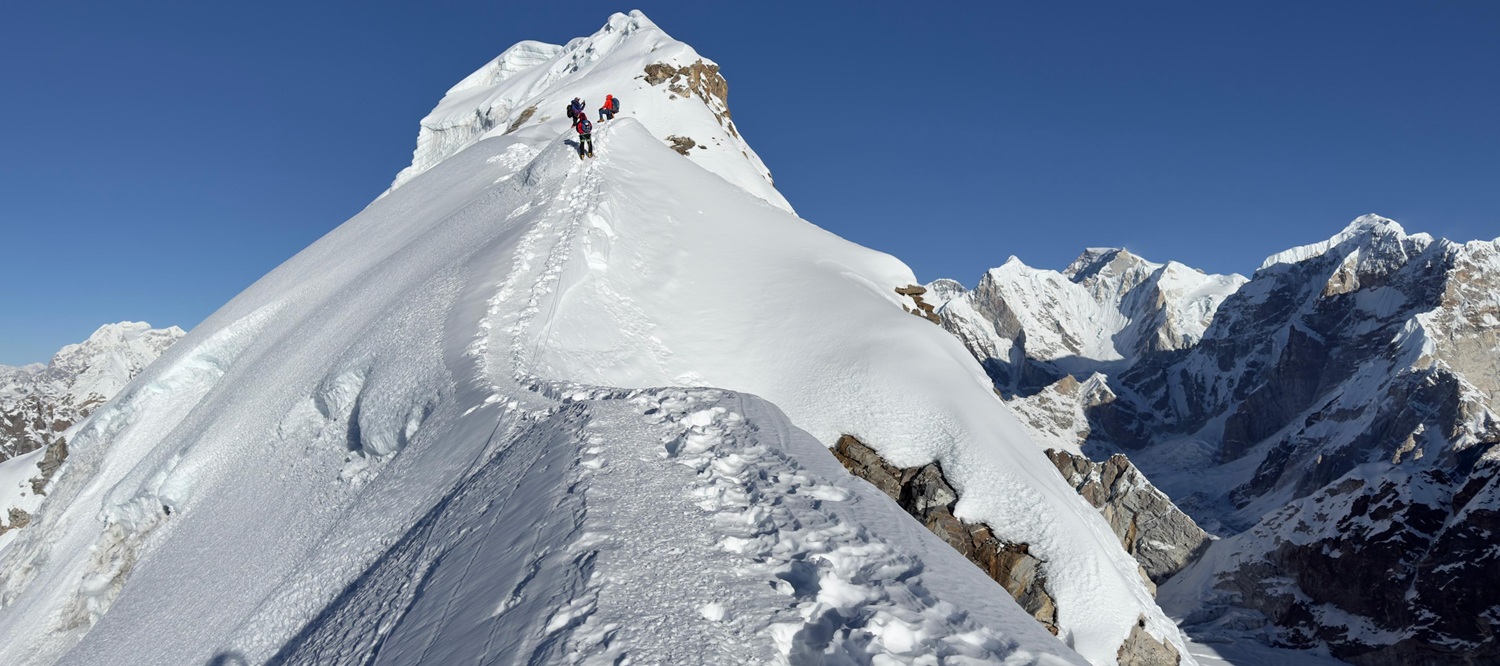
Lobuche East Peak is not simply another mountain to compare by height or difficulty. Its real strength lies in the exceptional combination of high altitude, technical climbing, Everest-region adventure, and rewarding Himalayan scenery. While Mera Peak offers a greater altitude challenge and Island Peak provides a different technical experience, Lobuche East delivers a balanced and serious mountaineering journey for climbers ready to move beyond ordinary trekking.
The right peak ultimately depends on your fitness, previous high-altitude experience, technical skills, and personal climbing goals. However, for those seeking an unforgettable 6,119-meter Himalayan summit, Lobuche East remains one of Nepal’s finest choices. With proper acclimatization, physical preparation, quality equipment, and experienced professional guidance, climbers can take on this challenging mountain with greater confidence and safety.
With Outward Adventure Treks, Lobuche East Peak Climbing becomes more than a summit attempt—it becomes a complete Himalayan journey of determination, learning, adventure, and achievement. From the legendary trails of the Everest region to the final steps toward the summit, every stage tests your limits and rewards you with memories that last a lifetime.
Lobuche East is the perfect choice for those ready to take the next step from trekking into true Himalayan mountaineering.
 Sep 19, 2026
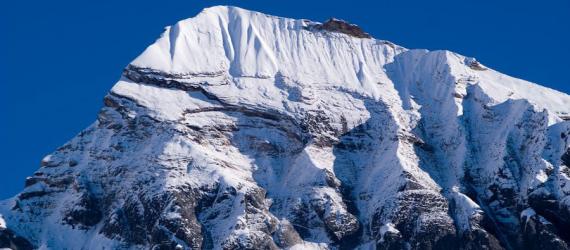
Tharpu Chuli (Tent Peak) Climbing: Complete Nepal Peak Climbing Guide Tent Peak Climbing, also known as Tharpu Chuli Pe...
Read More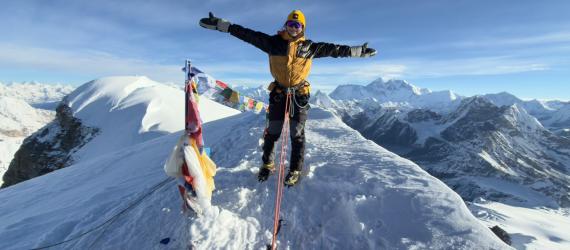 Sep 15, 2026
Mera Peak Climbing with Heli Shuttle Mera Peak Climbing with Heli Shuttle is an extraordinary Himalayan adventure that...
Read More Sep 12, 2026
Namche Bazaar: The Gateway to Everest Trekking and Sherpa Culture Namche Bazaar is one of the most famous mountain sett...
Read More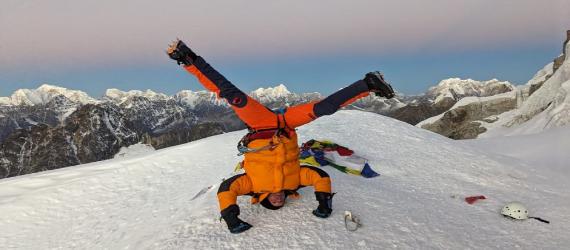 Sep 10, 2026
Peak Climbing vs. Expedition in Nepal: Understanding the Difference Nepal is one of the world’s premier destinati...
Read More
Leave a Comment