
Any Questions? Email Us
Talk to an Expert

Mount Everest guided expeditions offer climbers the opportunity to attempt the summit of the world’s highest mountain with the support of experienced expedition leaders, professional climbing guides, Sherpa teams, high-altitude specialists, and a structured logistical system. Rising to 8,848.86 meters (29,031.7 feet), Mount Everest is the ultimate destination for many experienced mountaineers. However, climbing Everest is far more complex than simply following a route to the top. It requires extensive preparation, technical experience, physical conditioning, acclimatization, strategic planning, and professional support.
A guided Everest expedition is designed to manage the many challenges involved in climbing at extreme altitude. From expedition permits and transportation to Base Camp operations, climbing equipment, food, oxygen planning, weather strategy, and high-altitude support, a professional team coordinates the essential elements of the journey. For qualified climbers, this structure allows them to focus on physical performance, acclimatization, technical climbing, and safe decision-making on the mountain.
A Mount Everest guided expedition is a professionally organized climbing program led by experienced mountain professionals. The expedition normally includes pre-climb planning, arrival coordination, permits, trekking or transport to Everest Base Camp, acclimatization, climbing rotations, fixed-route support, high-altitude logistics, and summit planning. On a guided expedition, climbers become part of an organized team. Depending on the expedition structure, support may include an expedition leader, professional climbing guides, experienced Sherpa climbers, cooks, Base Camp staff, and high-altitude support personnel. Every team member has a defined role, helping create a coordinated environment throughout the long Everest climbing season.
Guided expeditions do not eliminate the risks of Mount Everest, and no responsible operator can guarantee a summit. Instead, professional guidance provides the planning, experience, logistics, and decision-making support necessary to manage the expedition more effectively. Weather, individual fitness, altitude response, mountain conditions, and many other factors can determine whether a summit attempt is possible.
The guided Everest experience usually begins in Kathmandu, Nepal, where climbers complete expedition briefings, equipment checks, final preparations, and team coordination. The expedition then moves into the Khumbu region toward Everest Base Camp.
The journey to Base Camp is an important part of the overall expedition. It provides the first stage of acclimatization while allowing climbers to gradually enter the high-altitude Himalayan environment. The route passes through Sherpa communities, mountain valleys, Buddhist cultural sites, and some of the most dramatic landscapes in the Himalayas. Everest Base Camp serves as the main operational center for the expedition. Climbers may spend several weeks there preparing for rotations and waiting for suitable mountain conditions. A professionally organized Base Camp provides accommodation, meals, communication, equipment management, medical monitoring, and the operational support required for a long expedition.
Acclimatization and Expedition Rotations
Acclimatization is one of the most important parts of every successful Mount Everest guided expedition. As climbers move higher, the amount of available oxygen decreases significantly. The human body requires time to adapt, which is why Everest expeditions are spread over several weeks.
Guided teams typically follow a structured acclimatization strategy that includes climbing rotations to higher elevations before returning to Base Camp. This process allows climbers to experience altitude gradually while preparing physically and mentally for the final summit attempt.
Professional guides and expedition leaders monitor weather conditions, team performance, and the overall progress of the expedition. However, individual climbers must also remain honest about their physical condition and communicate openly with the guiding team. Responsible decision-making is essential at high altitude.
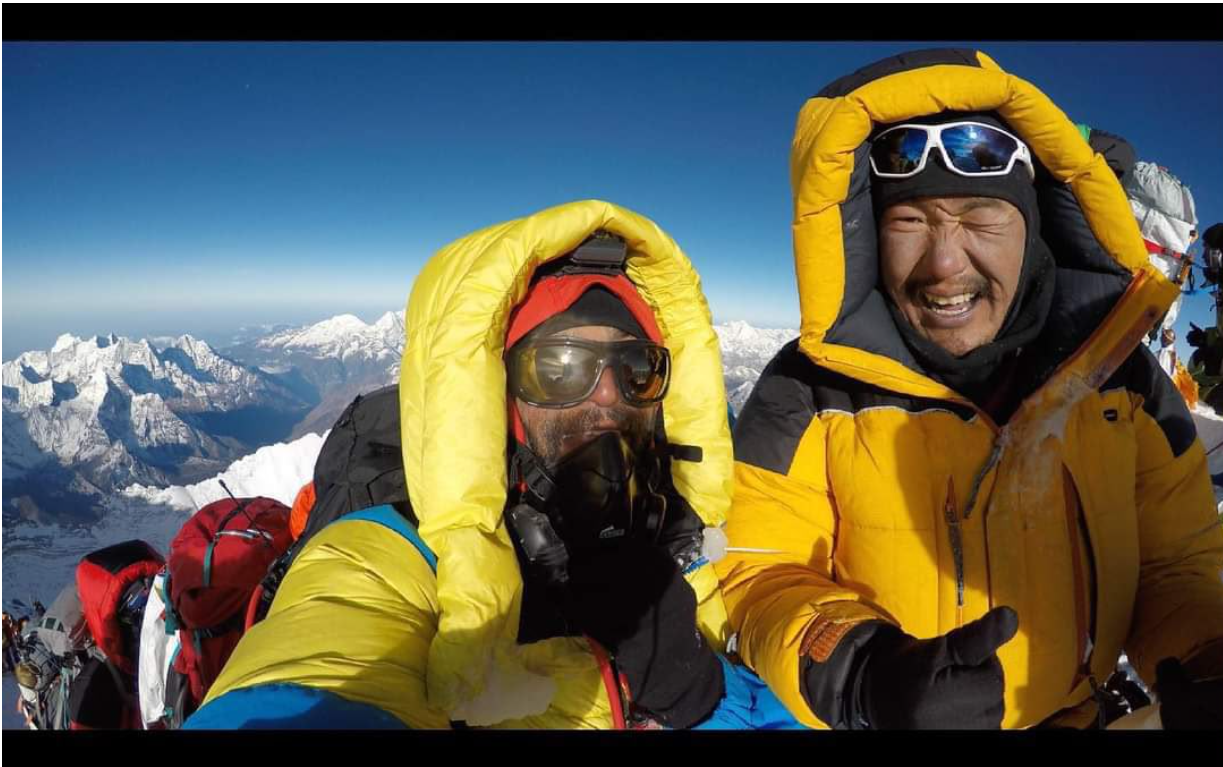
The Nepal-side Everest route takes climbers through some of the most famous and challenging sections in Himalayan mountaineering. After leaving Base Camp, climbers travel through the Khumbu Icefall, a constantly changing environment of ice formations, crevasses, and glaciers.
Beyond the Icefall, the route enters the Western Cwm, a high-altitude valley surrounded by massive peaks. Climbers continue toward higher camps before progressing to the upper mountain and eventually the summit route.
The climb becomes increasingly demanding as altitude rises. Movement is slower, weather conditions become more severe, and physical recovery becomes more difficult. Guided expeditions require climbers to manage their energy carefully and follow the established safety procedures of the expedition.
Above 8,000 meters lies the extreme-altitude environment commonly known as the “death zone.” At this elevation, the body cannot acclimatize permanently, and every movement requires significant physical effort. Summit attempts require careful timing and efficient climbing because the goal is not only to reach the summit but also to descend safely.
Professional guides and experienced Sherpa climbers are essential members of many Everest guided expeditions. Their roles can include route knowledge, climbing support, team coordination, safety management, logistical preparation, and decision-making support.
High-altitude Sherpa climbers bring exceptional Himalayan climbing experience and play a major role in expedition operations. Their knowledge of Everest, high-altitude movement, and mountain conditions is invaluable.
A professional guided expedition also provides climbers with organized communication between Base Camp and the mountain. Guides help coordinate the team and adjust plans according to changing weather and conditions.
However, every climber remains responsible for their own actions, preparation, fitness, and ability to make safe decisions. Guided support should complement a climber’s experience—it should never replace the technical skills and mountain judgment required for a serious high-altitude expedition.
The Summit Push
The summit push is the most demanding stage of the expedition. Climbers wait for a suitable weather window before beginning their final ascent. The exact timing depends on weather forecasts, route conditions, team readiness, and strategic decisions made by the expedition leadership.
The summit attempt usually begins at night or in the early morning. Climbers move through extreme cold and high winds toward the upper mountain. Every step requires effort because of the severe altitude and reduced oxygen availability.
Reaching the summit of Mount Everest is an extraordinary achievement, but it is only the halfway point of the summit day. The descent requires continued focus, energy, and careful decision-making. A successful expedition means returning safely from the mountain, not simply standing on the summit.
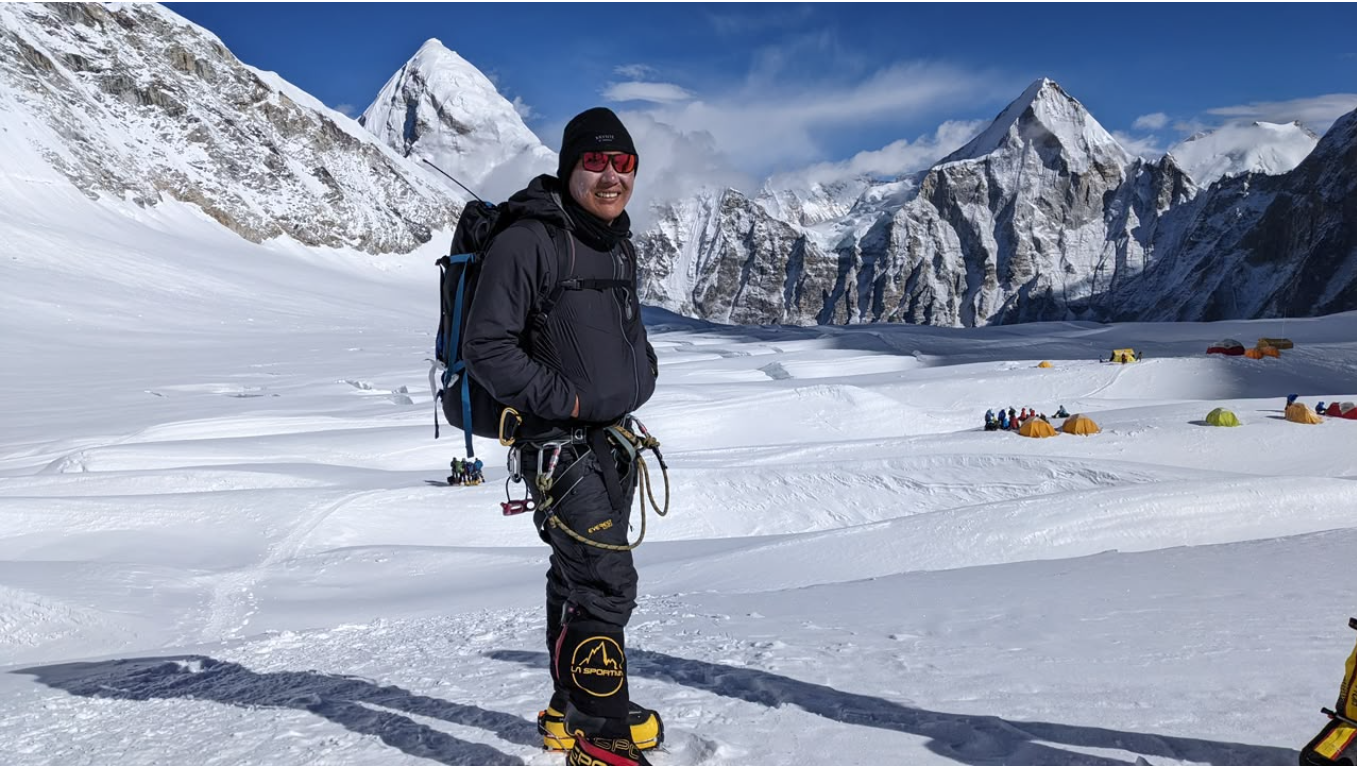
Mount Everest guided expeditions are designed for experienced high-altitude climbers, not beginners. Climbers should have previous experience on major mountains and possess strong physical conditioning, technical climbing skills, and the ability to function effectively in extreme environments.
Preparation should begin months or years before the expedition. Training typically focuses on cardiovascular endurance, strength, long-duration physical activity, technical climbing, and mental resilience. Previous high-altitude experience is especially important because every person responds differently to reduced oxygen.
Equipment preparation is another major part of the process. Climbers need specialized clothing and equipment suitable for extreme cold, high winds, snow, and prolonged exposure to severe mountain conditions. Expedition operators may provide detailed equipment requirements and pre-expedition guidance.
Choosing the Right Everest Expedition
Selecting the right operator is one of the most important decisions when planning a Mount Everest guided expedition. Climbers should evaluate the experience of the expedition leadership, guiding philosophy, support structure, safety procedures, high-altitude logistics, communication systems, and the overall expedition plan.
With Outward Adventure Treks, a guided Everest expedition is built around detailed planning, professional mountain support, responsible high-altitude practices, and respect for the Himalayas. The goal is to provide experienced climbers with a structured environment for undertaking one of the world’s greatest mountaineering challenges. Mount Everest is not a mountain that can be approached casually. It demands preparation, humility, discipline, patience, and respect. A professional guided expedition can provide the expertise and organization needed to manage the complex journey, but the mountain always remains unpredictable.
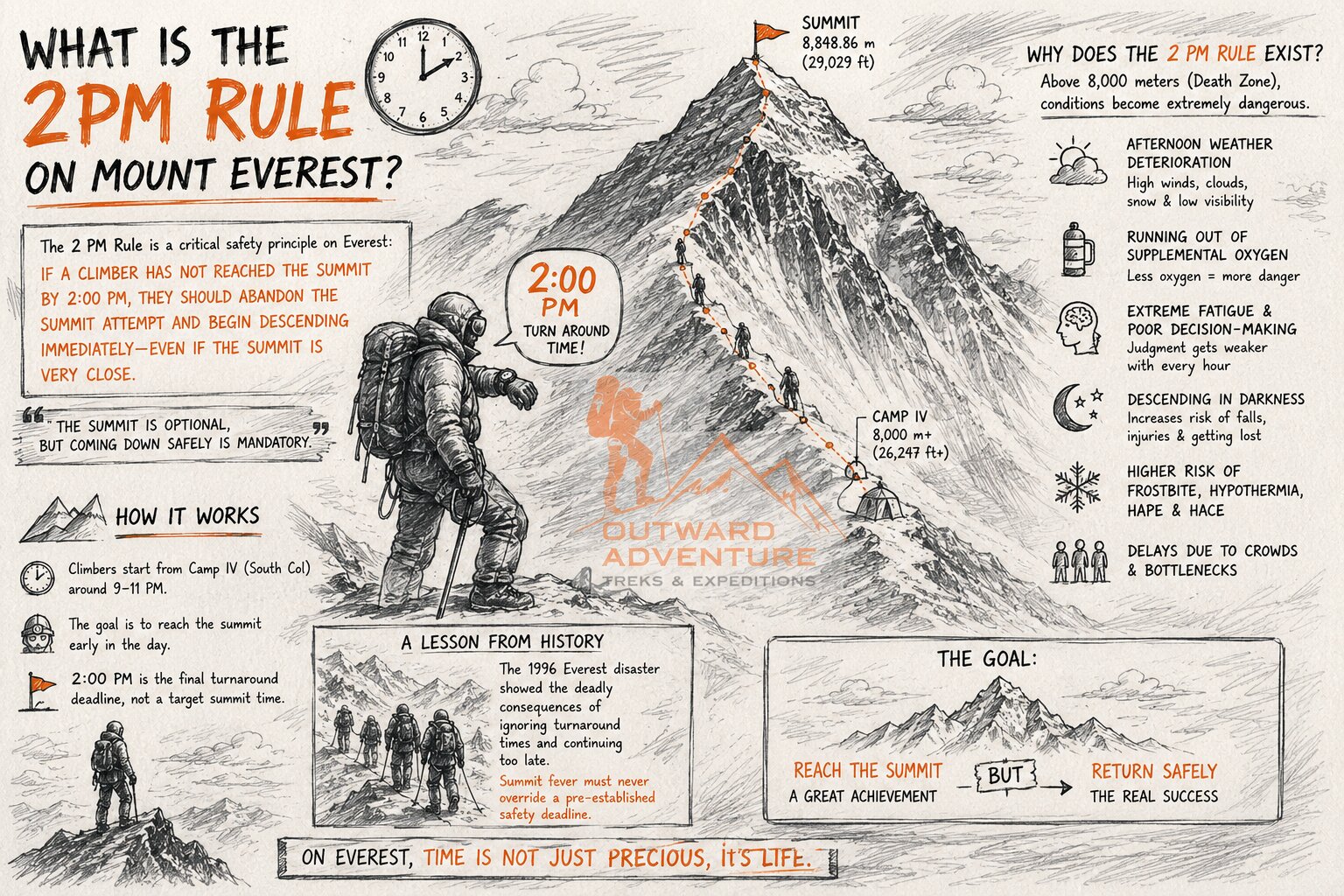
The 2 PM Rule on Mount Everest is one of the most important safety principles in high-altitude mountaineering. In simple terms, it means that if a climber has not reached the summit of Mount Everest by 2:00 PM local time, they must stop climbing and immediately begin descending—regardless of how close they are to the top.
The rule is based on one critical principle:
Reaching the summit is only halfway. Getting back down safely is the real objective.
On Everest, particularly above 8,000 meters in the “Death Zone,” every hour matters. A climber who continues upward too late in the day may reach the summit but face a far more dangerous descent because of exhaustion, darkness, worsening weather, limited oxygen, and deteriorating physical condition. The 2 PM Rule creates a strict decision point designed to prevent ambition from overcoming good judgment.
The rule is straightforward:
The time may vary depending on the expedition, weather, route conditions, and guide strategy. Some teams use earlier turnaround times. Therefore, 2 PM should be understood as a well-known late safety cutoff, not as a target summit time. Strong teams generally aim to reach the summit much earlier, leaving a large margin for the descent.
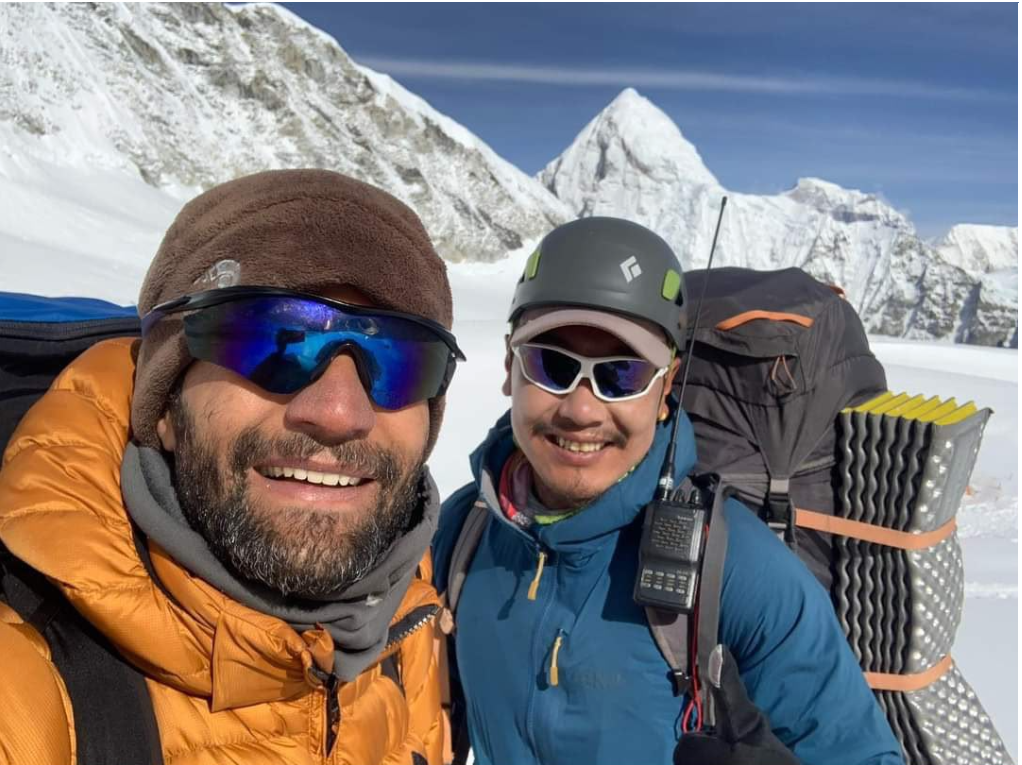
Everest summit day is extremely long. Climbers commonly begin their final ascent from the South Col or Camp IV during the night. The objective is to climb through the darkest and coldest hours, reach the summit in the morning or early afternoon, and descend before conditions become increasingly dangerous.
A climber who is delayed may lose the safety margin needed to return.
1. The Descent Is Extremely Dangerous
Many climbers focus intensely on reaching the summit, but the journey is only half complete. After reaching the top, climbers must still descend through extremely high altitude while physically and mentally exhausted.
A summit reached too late can force climbers to continue descending for hours in darkness. Technical sections become harder to navigate, visibility may decrease, and mistakes become more likely.
The 2 PM Rule exists partly to ensure climbers still have enough energy, time, daylight, and oxygen for the long journey back toward a safer camp.
2. Everest Weather Can Become More Dangerous Later in the Day
Weather is one of the most unpredictable factors on Mount Everest. Strong winds, cloud, snowfall, and rapidly changing conditions can transform a summit day within hours.
Climbers who summit late may find themselves high on the mountain when conditions are deteriorating. The 2 PM cutoff reduces the chance of remaining in the Death Zone unnecessarily late in the day.
A successful summit depends on far more than determination. Professional expedition leaders must consider weather forecasts, wind speeds, temperatures, visibility, route conditions, and the individual condition of each climber.
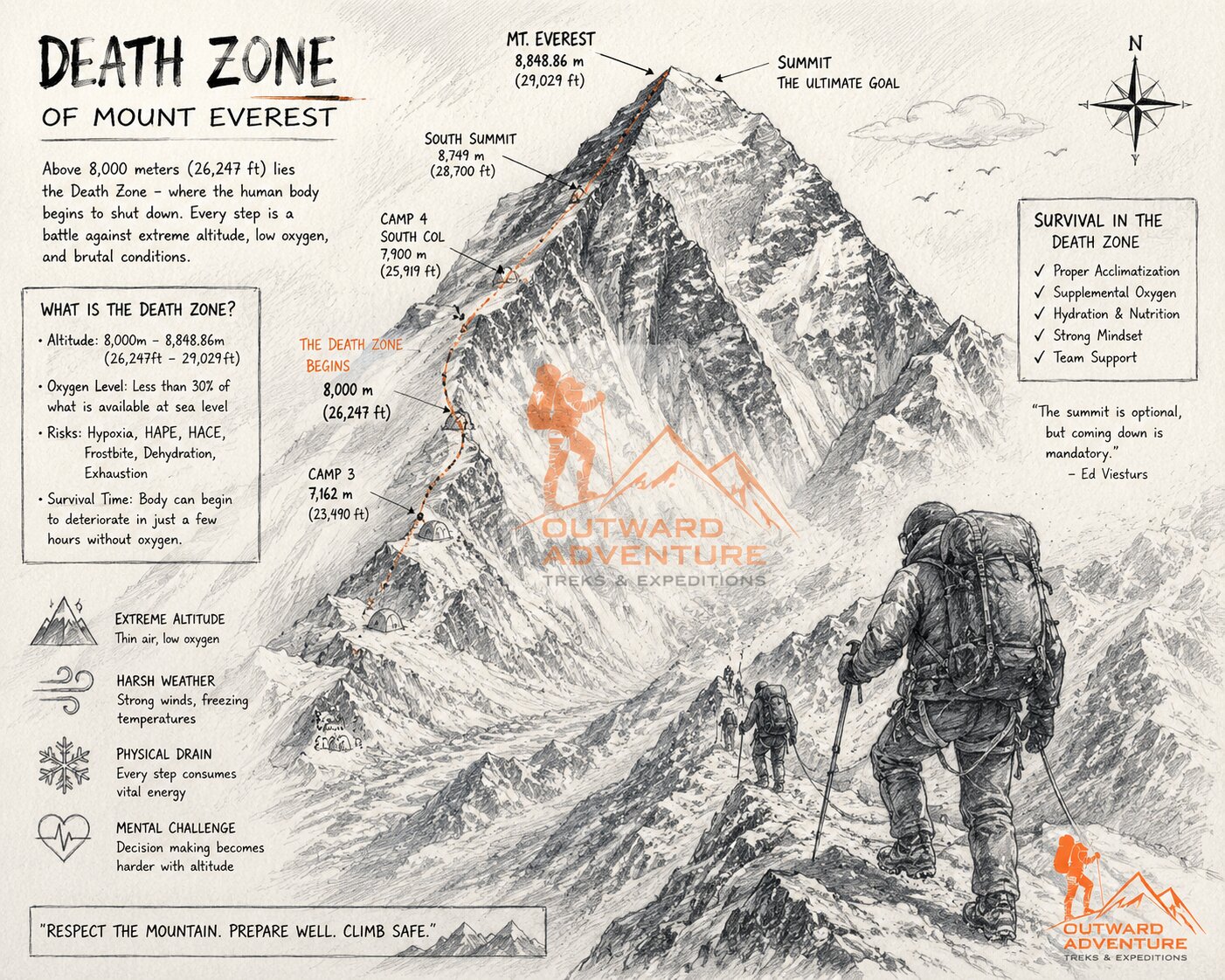
The Death Zone is one of the most dangerous and extreme environments on Earth. In mountaineering, the term generally refers to altitudes above 8,000 meters (26,247 feet), where the human body can no longer fully adapt to the lack of oxygen. On Mount Everest, the Death Zone begins at approximately 8,000 meters and extends all the way to the summit at 8,848.86 meters (29,031.7 feet). Climbers entering this region face severe physical, mental, and environmental challenges, making the journey from the high camps to the summit one of the most difficult sections of an Everest expedition.
The name “Death Zone” is not an exaggeration. At this altitude, the atmosphere contains significantly less available oxygen for the human body. Although the percentage of oxygen in the air remains about the same, the lower atmospheric pressure means the body receives far fewer oxygen molecules with every breath. Climbers become progressively weaker, their ability to think clearly decreases, and even simple physical tasks can become extremely difficult. The human body begins to deteriorate faster than it can recover.
Above 8,000 meters, mountaineers cannot safely live for long periods. This is why climbers spend only a limited amount of time in the Death Zone and follow carefully planned summit schedules.
The greatest danger inside the Death Zone is extreme oxygen deprivation, also known as severe hypoxia. At these elevations, every movement requires tremendous effort. Climbers may struggle to breathe, walk slowly, and require frequent rest. Even experienced mountaineers can become exhausted after taking only a few steps.
The lack of oxygen also affects the brain. A climber may experience confusion, poor judgment, memory problems, loss of coordination, and slowed decision-making. This can be extremely dangerous because Everest requires climbers to make critical decisions while facing steep terrain, ice, snow, strong winds, and freezing temperatures.
In severe cases, altitude illness can lead to High-Altitude Cerebral Edema (HACE) or High-Altitude Pulmonary Edema (HAPE). These conditions can become life-threatening without immediate descent and medical intervention. A climber may become disoriented, lose the ability to walk properly, or experience serious breathing difficulties.
For this reason, reaching the summit is never more important than safely returning to lower altitude.
During a typical Everest summit push, climbers enter the Death Zone after reaching approximately 8,000 meters, usually from the highest camp on their chosen route.
On the popular South Col route from Nepal, climbers generally move from the South Col toward the summit during the night. They travel through extremely challenging terrain, passing major landmarks such as the Balcony, the South Summit, and the steep sections leading toward the final summit ridge.
The climb is physically demanding because the body is already exhausted from weeks of acclimatization and climbing. Climbers may have spent several weeks moving between lower and higher camps before attempting the summit. By the time they enter the Death Zone, they are already experiencing the accumulated effects of cold, altitude, exhaustion, and reduced oxygen.
The descent is equally important. Many climbers believe the summit is the end of the climb, but in reality, the summit is only the halfway point of summit day. A climber must still descend safely through the Death Zone while physically exhausted and often running low on supplemental oxygen.
Weather conditions in Everest’s Death Zone can change rapidly. Temperatures can fall to extremely low levels, while powerful winds increase the risk of frostbite and hypothermia. Climbers may also encounter whiteout conditions, blowing snow, and dangerous ice.
A small weather change can have serious consequences. Strong winds can make it difficult to walk or maintain balance, especially on narrow ridges. Severe cold can freeze water, damage equipment, and reduce the performance of the human body.
Because of these risks, Everest expeditions carefully monitor weather forecasts before beginning the summit push. Climbers usually wait for a favorable weather window, a period when winds are relatively lower and conditions are suitable for climbing.
Professional expedition teams carefully plan their movements, oxygen use, and turnaround times. However, mountain weather can never be completely guaranteed.
Most climbers use supplemental oxygen above high altitude on Everest. Oxygen systems can help improve breathing, reduce the effects of hypoxia, and support physical performance during the summit push.
However, oxygen is not a complete solution. Climbers must still manage their energy carefully and remain aware of the risks. Oxygen masks and regulators can malfunction, cylinders can run low, and extreme cold can create equipment problems.
Professional Everest expeditions calculate oxygen requirements in advance and carry carefully planned supplies. Guides and Sherpa teams play a major role in checking equipment and supporting climbers during the summit phase.
Experienced expedition operators such as Outward Adventure Treks understand that oxygen planning, altitude management, professional leadership, and emergency preparation are essential parts of a responsible Mount Everest expedition.
The Importance of Acclimatization
A climber cannot simply travel directly from sea level into the Death Zone. Before attempting the summit, the body must gradually adapt to high altitude through a process known as acclimatization.
Everest climbers normally spend several weeks in the Himalayas. During this period, they climb to progressively higher elevations and then return to lower camps for recovery. This gradual process helps the body adjust to lower oxygen availability.
However, acclimatization has limits. Even the strongest and most experienced climber cannot permanently adapt to the Death Zone. Human physiology simply cannot recover normally above 8,000 meters.
This is why expedition teams follow the principle of moving efficiently through the highest altitudes. The goal is to spend as little time as reasonably possible inside the Death Zone.
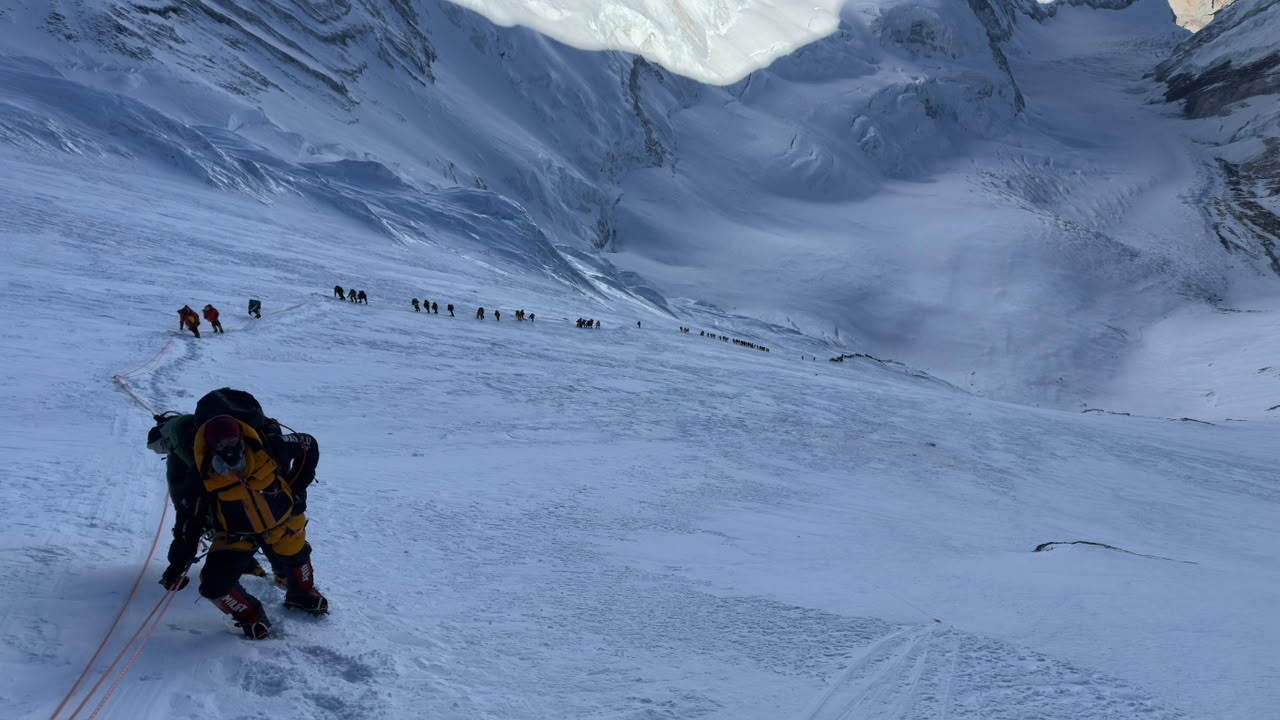
Crowding and delays can create additional danger during the Everest summit push. When many climbers attempt the summit at the same time, bottlenecks may develop at narrow or technical sections of the route.
Waiting at extreme altitude is dangerous because climbers continue consuming energy and oxygen while standing still. A long delay can increase fatigue and affect oxygen reserves.
Good expedition planning is therefore essential. Experienced guides monitor conditions, manage summit timing, and make decisions based on weather, climber performance, and route conditions. Climbers must also be prepared to abandon their summit attempt if delays or dangerous conditions make continuing unsafe.
The mountain will always be there. A safe return is more important than reaching the summit.
The Death Zone tests the mind as much as the body. Climbers must continue making decisions despite exhaustion and reduced oxygen. The desire to reach the summit can become extremely powerful after weeks or months of preparation.
However, successful mountaineering requires discipline. Experienced climbers and professional guides establish a turnaround time before the summit push. If the climber has not reached the summit by the planned time, they may need to turn back, even when the summit is close.
This can be emotionally difficult, but it can save lives. Many serious Everest incidents occur when climbers continue upward despite exhaustion, worsening weather, or limited oxygen.
A journey through Everest’s Death Zone requires more than physical strength. Climbers need proper training, extensive preparation, high-quality equipment, acclimatization, experienced leadership, reliable logistics, and strong teamwork.
Professional guides and high-altitude Sherpa teams provide essential support during an Everest expedition. They help establish camps, manage equipment, monitor conditions, and support climbers during the most challenging stages of the mountain.
A responsible Everest expedition company focuses on preparation rather than simply selling a summit experience. Outward Adventure Treks emphasizes proper expedition planning, Himalayan expertise, acclimatization strategies, safety management, and experienced high-altitude support.
The Death Zone represents the ultimate challenge of climbing Mount Everest. It is a place where the human body struggles to survive and every decision matters. The combination of low oxygen, extreme cold, exhaustion, severe weather, technical terrain, and psychological pressure makes the summit zone one of the harshest environments on Earth.
Climbing through the Death Zone demands patience, preparation, discipline, and respect for the mountain. The true success of an Everest expedition is not simply standing on the summit. It is making intelligent decisions, respecting the limits of the human body, and returning safely from the highest mountain in the world.
For every climber, the most important rule remains simple: reaching the summit is optional, but coming home safely is essential.
3. Supplemental Oxygen Is Limited
Most climbers on commercial Everest expeditions use supplemental oxygen high on the mountain. Oxygen supplies are planned around expected climbing and descent times.
If a climber is delayed for several hours because of exhaustion, traffic, poor conditions, or slow movement, oxygen reserves can become critically important. Spending additional time attempting to reach the summit can reduce the available margin for the descent.
For this reason, time management on summit day is directly connected to oxygen planning. The longer a climber remains in the Death Zone, the greater the physical and logistical risk.
4. The Human Body Cannot Remain Healthy in the Death Zone
The area above approximately 8,000 meters is widely known as the Death Zone. At this altitude, the human body cannot fully acclimatize. The lack of available oxygen affects physical strength, coordination, judgment, and recovery.
Simple movement becomes exhausting. Climbers may move extremely slowly, and decision-making can become more difficult.
This creates one of the greatest dangers of a late summit attempt: a climber may be too exhausted and oxygen-deprived to make an objective decision about turning around.
The 2 PM Rule solves part of this problem by making the decision before summit day. Instead of negotiating with themselves while exhausted near the summit, climbers follow an agreed turnaround deadline.
The importance of strict turnaround times became especially well known after the 1996 Mount Everest disaster. Expedition leader Rob Hall had established a firm turnaround deadline for his team, reported in historical accounts as 2 PM, although some accounts describe 1 PM. His plan emphasized that climbers needed to begin descending by the deadline.
However, the turnaround deadline was not consistently enforced, and several climbers reached the summit after the planned safe window. Delays, severe weather, exhaustion, and other factors contributed to a catastrophic situation.
The 1996 tragedy became one of the most important examples in Everest history of why a predetermined turnaround time must be respected. A safety rule is only effective when climbers and expedition leaders are willing to follow it—even when turning around means abandoning a summit attempt after months or years of preparation.
No, not as a universal rule requiring exactly 2:00 PM for every climber and expedition.
The 2 PM Rule is primarily a widely recognized mountaineering safety practice and turnaround principle. Different expedition operators and guides can establish different deadlines based on conditions and their own risk-management strategy. In some situations, a guide may order a climber to turn around well before 2 PM because of bad weather, slow movement, illness, frostbite, equipment problems, oxygen concerns, or dangerous route conditions.
Therefore, the safest interpretation is:
2 PM is a famous final turnaround concept—not a guarantee that climbing is safe until 1:59 PM. Conditions always determine the actual safe decision.
One reason the rule is so important is a psychological phenomenon commonly known as summit fever. After weeks of training, acclimatization, financial investment, physical suffering, and preparation, a climber may feel emotionally unable to turn around.
This can lead to dangerous thinking:
“I am almost there.”
“I may never get another chance.”
“I only need a few more minutes.”
“I have already climbed too far to turn back.”
The problem is that the closer climbers get to the summit, the more difficult it may become to abandon the attempt.
The 2 PM Rule provides an objective boundary against this emotional pressure. It reminds climbers that the mountain will remain, while their physical condition and survival depend on making the right decision at the right time.
The 2 PM Rule represents a larger philosophy of responsible mountaineering:
The summit is optional. The descent is mandatory.
On Everest, success should never be measured only by standing at the summit. A truly successful expedition means making responsible decisions, respecting the mountain, protecting the team, and returning safely.
For any climber joining a professional Mount Everest guided expedition, a strict turnaround policy should be part of the expedition’s overall safety planning. With Outward Adventure Treks, responsible expedition planning, proper acclimatization, professional guidance, weather awareness, and disciplined decision-making are fundamental to high-altitude mountaineering.
The 2 PM Rule may sound simple, but on the world’s highest mountain, simple rules can save lives. The ultimate lesson is clear:
The summit may be the goal, but returning safely is the true achievement.
For experienced climbers searching for a Mount Everest guided expedition in Nepal, the journey represents the highest level of adventure and achievement. It is a long and demanding expedition through extreme altitude and extraordinary Himalayan landscapes. With the right preparation, professional guidance, strong teamwork, and responsible decision-making, climbers can pursue their Everest ambition while experiencing one of the most powerful mountaineering journeys on Earth.
For climbers planning their dream summit attempt, Outward Adventure Treks can help provide a structured and professionally organized Everest Expedition with expert guidance, experienced high-altitude support, Base Camp services and customized expedition logistics. Because Everest is an extreme high-altitude objective, choosing an expedition should be based on safety standards, guide and Sherpa experience, oxygen strategy, included services and emergency planning—not simply the lowest price.
A practical budget for a serious Everest expedition is therefore around USD 55,000–70,000 for a strong standard package, while climbers seeking premium or highly personalized support should prepare for USD 75,000–100,000+. Always confirm the exact inclusions and exclusions before booking, especially permits, oxygen, Sherpa support, personal gear, insurance, tips and rescue-related costs.
In short: Everest is not only a physical challenge—it is a major financial commitment. With Outward Adventure Treks, the goal is to help climbers understand the true cost of the expedition and plan their journey with the right balance of professional support, safety and value.

Is Pre-Booking Necessary for an Everest Expedition Summit?
Yes—pre-booking is highly necessary for a Mount Everest expedition, especially if your goal is to attempt the summit through the Nepal side. An Everest summit expedition is not like booking an ordinary trekking holiday. It involves government permits, expedition logistics, experienced climbing Sherpas, oxygen systems, high-altitude equipment, accommodation, transportation, food, insurance requirements, and extensive planning. The earlier you reserve your place, the better prepared your expedition can be.
The Everest climbing season requires a huge amount of preparation before the expedition begins. A professional operator must organize the climbing team, process official documentation, plan logistics, arrange Sherpa support, prepare Base Camp infrastructure, and coordinate supplies for several weeks in the Himalayas. Nepal's mountaineering regulations also require a formal application and permit process for mountaineering expeditions.
Pre-booking gives your expedition company sufficient time to prepare these essential arrangements properly.
1. Expedition Permits and Official Formalities
Climbing Mount Everest requires official permits and expedition documentation. An organized expedition operator coordinates the necessary formalities with the relevant authorities before the climbing season. This is one of the main reasons climbers should not wait until the last minute to book their Everest expedition.
For example, the Everest expedition package offered by Outward Adventure Treks & Expedition includes expedition royalty fees, route-fixing fees, garbage-management arrangements, liaison officer services, and other expedition logistics listed within its package.
Early booking allows time to submit the required information, check your documents, and prepare the expedition properly.
2. Securing a Place with an Experienced Expedition Team
The number of climbers on a professional expedition can be limited by the operator's safety standards, logistics, and team structure. Experienced Sherpa guides, expedition leaders, and high-altitude support staff must be arranged well in advance.
Outward Adventure Treks & Expedition states that it focuses on small groups and personalized expedition planning, while its Everest expedition program includes experienced Sherpa support and a 1:1 Sherpa-to-climber ratio.
Therefore, booking early can help you secure your preferred expedition team instead of choosing only from whatever availability remains.
3. Preparation of Oxygen and High-Altitude Equipment
An Everest summit attempt requires specialized high-altitude logistics. Supplemental oxygen, masks, regulators, high-altitude tents, ropes, climbing equipment, and emergency medical supplies must all be organized before the expedition.
According to Outward Adventure Treks' Everest program, its package includes oxygen support, climbing equipment for the expedition, high-altitude tents, satellite communication, radio communication, weather reports, emergency medical supplies, and other Base Camp services.
These arrangements cannot be treated as a simple last-minute booking.
For most climbers, booking several months to a year in advance is a sensible planning approach. The earlier you begin, the more time you have for:
The exact deadline can vary depending on your chosen season, route, package, personal experience, and operator availability. Therefore, it is best to contact the expedition company directly before making final travel arrangements.
Pre-booking is not only about securing a space—it is also about expedition readiness and safety.
Mount Everest is the highest mountain in the world at 8,848.86 meters. Climbers must spend weeks acclimatizing and preparing before a summit attempt. Outward Adventure Treks' Everest itinerary, for example, is structured as an approximately 60-day expedition, beginning with travel to Base Camp and including acclimatization activities, Lobuche Peak climbing, training, repeated rotations between camps, and the eventual summit push when conditions permit.
An early booking gives you more time to discuss the itinerary, understand your responsibilities, prepare physically, and obtain the correct equipment.
No. Pre-booking guarantees neither a successful summit nor favorable weather.
Even with excellent preparation and professional support, Everest remains a high-altitude and technically demanding mountain. Your summit attempt may depend on:
A reputable operator should always prioritize safety over reaching the summit.
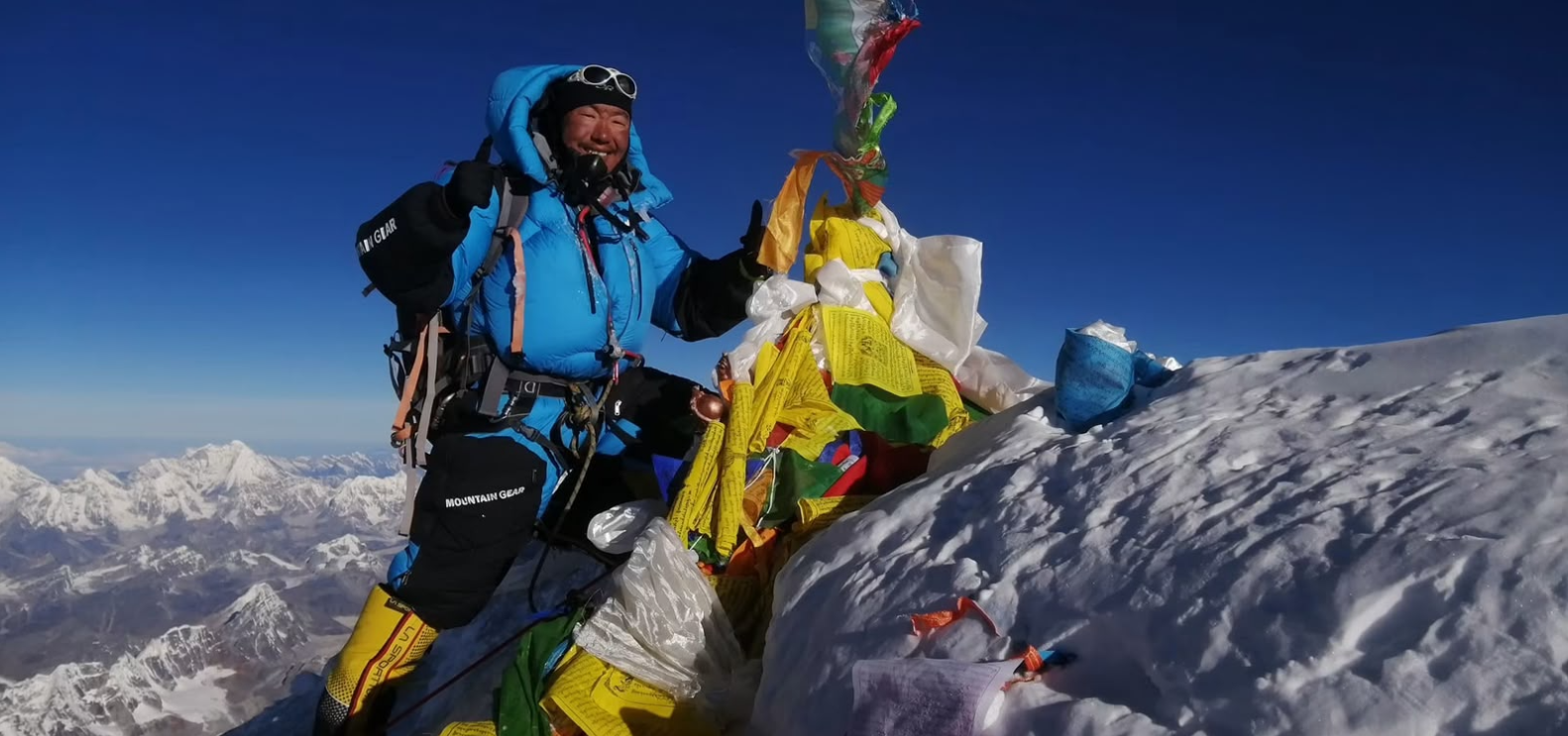
Outward Adventure Treks & Expedition is a Nepal-based mountaineering company that offers guided Everest expeditions and customized Himalayan adventures. Its Everest expedition page lists a 60-day South Route program, experienced Sherpa support, oxygen arrangements, Base Camp services, high-altitude logistics, training, and permit-related services. The company also provides a booking process that collects expedition, personal, emergency-contact, and passport information.
You can also contact the company directly to discuss your climbing background, preferred season, package options, and booking requirements. Yes, pre-booking is strongly recommended and practically necessary for anyone planning a Mount Everest summit expedition. The expedition requires careful coordination of permits, Sherpa guides, oxygen, Base Camp infrastructure, high-altitude logistics, equipment, transportation, and many other services.
The best approach is to start planning early with an experienced expedition operator. With Outward Adventure Treks & Expedition, early planning can help ensure that your expedition team, logistics, official preparations, and personal climbing plan are organized well before you begin your journey toward the summit of Mount Everest.
Book early, prepare seriously, train thoroughly, and always place safety before the summit.
Reaching the summit of Mount Everest is one of the world's greatest mountaineering achievements, but a successful expedition is about far more than simply standing at the highest point on Earth. It is the result of months of physical training, careful preparation, proper acclimatization, experienced guidance, reliable logistics, and the ability to make responsible decisions in one of the most extreme environments on the planet.
The journey from Kathmandu to Everest Base Camp, through the challenging Khumbu Icefall, the Western Cwm, the Lhotse Face, and the high-altitude camps is a demanding test of endurance, discipline, courage, and teamwork. The final summit push requires climbers to perform in the Death Zone, where extreme altitude, freezing temperatures, strong winds, exhaustion, and low oxygen levels make every decision critical.
However, the true success of an Everest expedition is not measured only by reaching the 8,848.86-meter summit. A safe return to Base Camp and eventually home is equally important. Weather conditions can change rapidly, and even experienced climbers must sometimes turn back. The mountain must always be respected, and safety must remain more important than reaching the summit.
With careful planning and professional expedition support, climbers can approach Everest with greater confidence. Outward Adventure Treks & Expedition provides experienced Sherpa support, expedition planning, high-altitude logistics, climbing guidance, and personalized assistance to help prepare climbers for this extraordinary Himalayan challenge.
The Everest summit is the ultimate goal, but preparation, safety, determination, and respect for the mountain define the true Everest expedition experience.
 Oct 05, 2026
The Most Frequently Asked Questions About Island Peak: Detailed Climbing Guide Island Peak, officially known as Imja Ts...
Read More Sep 30, 2026
Lobuche Peak Climbing: Conquer the Everest Region Lobuche Peak Climbing is an exhilarating Himalayan adventure in Nepal...
Read More Sep 27, 2026
Chulu Far East Peak Climbing: 6,000m Himalayan Adventure in Nepal Chulu Far East Peak Climbing is a challenging Himalay...
Read More Sep 23, 2026
Mera Peak Climbing is one of Nepal’s most rewarding Himalayan adventures, offering an unforgettable journey to Mer...
Read More
Leave a Comment